
How to Install River Rock Landscaping Complete 2026 Guide
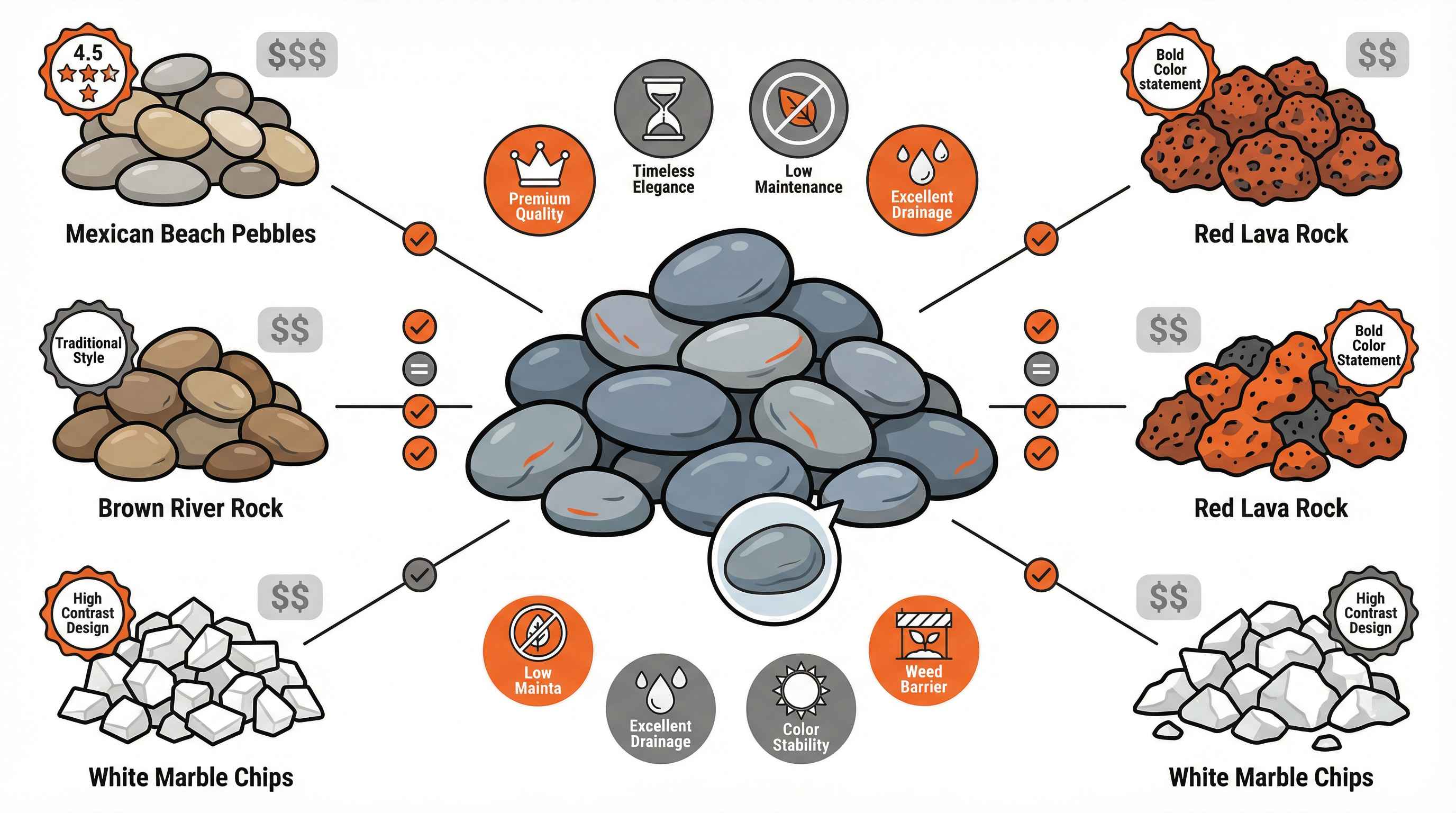
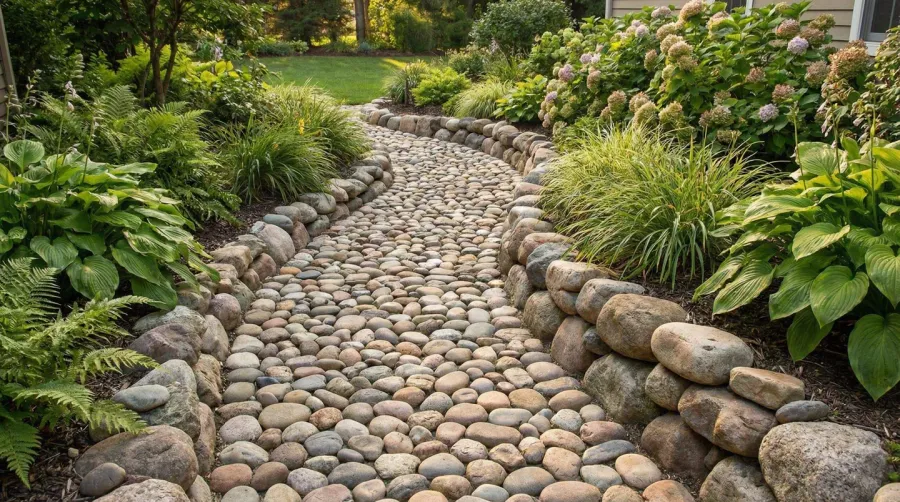
Planning a river rock landscaping project? You’ll need about 1.5 tons of river rock per 100 square feet at 2-inch depth. This guide walks you through everything from calculating amounts to professional installation techniques that create stunning, low-maintenance outdoor spaces.
Pro Tip: River rock provides excellent drainage while requiring virtually no maintenance once installed, making it perfect for busy homeowners seeking beautiful landscaping solutions.
Whether you’re creating garden pathways, decorative borders, or water features, river rock offers unmatched versatility. Let’s dive into the complete process of transforming your outdoor space with these naturally beautiful stones.
Understanding river rock types and benefits
River rock consists of smooth, naturally rounded stones shaped by water erosion over thousands of years. These stones range from small pebbles to larger cobbles, each offering unique aesthetic and functional advantages for your landscape.
The most popular sizes include 3/8-inch pea gravel for pathways, 1-2 inch river rock for decorative areas, and larger 3-4 inch stones for dramatic focal points. Colors vary by region but typically include earth tones like gray, brown, tan, and rust. For a detailed breakdown of all available options, check out our comprehensive guide to river rock sizes.
 Key benefits of river rock landscaping:
– Zero watering or mowing requirements
– Natural weed suppression
– Excellent drainage prevents water pooling
– Withstands extreme weather conditions
– Adds property value with timeless appealThe smooth texture makes river rock comfortable for walking, while its natural appearance complements both modern and traditional landscape designs. Unlike mulch, river rock never decomposes or needs replacement.
Key benefits of river rock landscaping:
– Zero watering or mowing requirements
– Natural weed suppression
– Excellent drainage prevents water pooling
– Withstands extreme weather conditions
– Adds property value with timeless appealThe smooth texture makes river rock comfortable for walking, while its natural appearance complements both modern and traditional landscape designs. Unlike mulch, river rock never decomposes or needs replacement.
Calculating how much river rock you need
Getting the right amount prevents costly overages or project delays. Use this simple formula: Length × Width × Depth (in feet) ÷ 27 = cubic yards needed.
For coverage calculations, one ton of river rock typically covers 80-100 square feet at 2-inch depth. Smaller stones provide more coverage per ton than larger ones due to better compaction.
| Area (sq ft) | 2″ depth | 3″ depth | 4″ depth |
|---|---|---|---|
| 100 | 1.5 tons | 2.3 tons | 3.0 tons |
| 200 | 3.0 tons | 4.6 tons | 6.0 tons |
| 500 | 7.5 tons | 11.5 tons | 15.0 tons |
Consider your project’s purpose when determining depth. Pathways need 2-3 inches for stability, while decorative areas can use 1-2 inches. Drainage applications require 4-6 inches for proper water flow. If you’re planning a French drain installation, understanding the right depth is crucial for optimal performance.
Sourcing and delivery options
You have several options for purchasing river rock, each with distinct advantages. Local suppliers like hellogravel.com offer regional stone varieties and often provide better pricing for bulk orders.
Local suppliers let you see and feel the stones before buying, ensuring color and texture match your vision. They typically offer same-day pickup or next-day delivery within their service area. For those seeking the best deals, our guide on where to buy river rock provides detailed sourcing strategies.Online suppliers provide wider selection and competitive pricing, especially for specialty colors or sizes. However, you can’t inspect stones beforehand, so research supplier reviews carefully.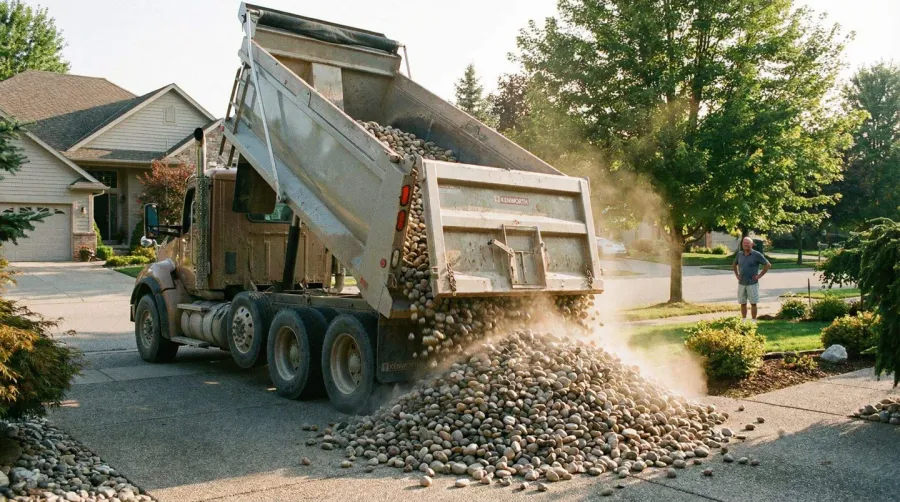
When arranging delivery, ensure your driveway can accommodate a dump truck. Standard trucks need 12-foot width and firm ground support. Specify exactly where you want the material dumped to minimize wheelbarrow trips during installation. Learn more about transporting a truck load of river rock to ensure smooth delivery.
Most suppliers offer bulk delivery for orders over 3 tons. Smaller quantities may require pickup or premium delivery fees. Schedule delivery close to your installation date to prevent material from settling into the ground. To understand pricing better, review our comprehensive guide to river rock prices.
Step-by-step installation process
Proper installation ensures your river rock landscaping looks professional and lasts for decades. Start by gathering essential tools: shovel, rake, wheelbarrow, landscape fabric, and a plate compactor for large areas.
Preparation steps:
- Mark your project area with spray paint
- Remove existing grass, weeds, and debris
- Excavate to desired depth plus 1 inch
- Level and compact the soil base
- Install landscape fabric to prevent weeds
Begin spreading river rock in thin layers, working from one end to the other. Rake stones level as you go, ensuring even distribution. For pathways, use a screed board to maintain consistent depth. When creating a garden path with river rock, selecting the right stone size is essential for both aesthetics and functionality.
Installation Secret: Wet the stones lightly during spreading to reduce dust and help them settle naturally into place.
Avoid walking directly on freshly laid rock until installation is complete. Use stepping boards to distribute your weight evenly. For large projects, work in manageable sections to maintain quality control throughout the process.
Final touches include edging installation to contain the stones and light watering to settle everything into place. Quality edging prevents river rock from migrating into lawn areas and maintains clean, defined borders.
Your new river rock landscaping will provide years of beauty with minimal maintenance. Simply rake occasionally to redistribute stones and add small amounts annually to account for natural settling. The investment in proper installation pays dividends through reduced yard work and enhanced curb appeal.
Ready to transform your outdoor space? Start by measuring your project area and calculating your material needs using the formulas above. With proper planning and installation, river rock landscaping creates stunning, sustainable beauty that enhances your property value while reducing maintenance time.
FAQ
How much river rock do I need for my landscaping project?
Calculate your needs using this formula: Length × Width × Depth (in feet) ÷ 27 = cubic yards needed. Generally, you’ll need about 1.5 tons of river rock per 100 square feet at 2-inch depth. For a 200 square foot area at 3 inches deep, you’ll need approximately 4.6 tons. Always order 10% extra for settling and future touch-ups.
What are the main benefits of using river rock in landscaping?
River rock offers zero watering or mowing requirements, natural weed suppression, excellent drainage that prevents water pooling, and withstands extreme weather conditions. It adds property value with timeless appeal and never decomposes like mulch, making it a low-maintenance, long-term landscaping solution that’s perfect for busy homeowners.
How do I properly install river rock landscaping?
Start by marking your area and removing existing grass and debris. Excavate to desired depth plus 1 inch, level and compact the soil base, then install landscape fabric to prevent weeds. Spread river rock in thin layers, rake stones level as you go, and use quality edging to contain the stones. For pathways, use 2-3 inches depth; decorative areas need 1-2 inches.
What size river rock should I choose for different landscaping applications?
Use 3/8-inch pea gravel for comfortable walking pathways, 1-2 inch river rock for general decorative areas and ground cover, and larger 3-4 inch stones for dramatic focal points and water features. Smaller stones provide better coverage per ton and compact more effectively, while larger stones create bold visual impact and work well around plants and trees.