
How to build a pea gravel parking pad complete DIY installation guide
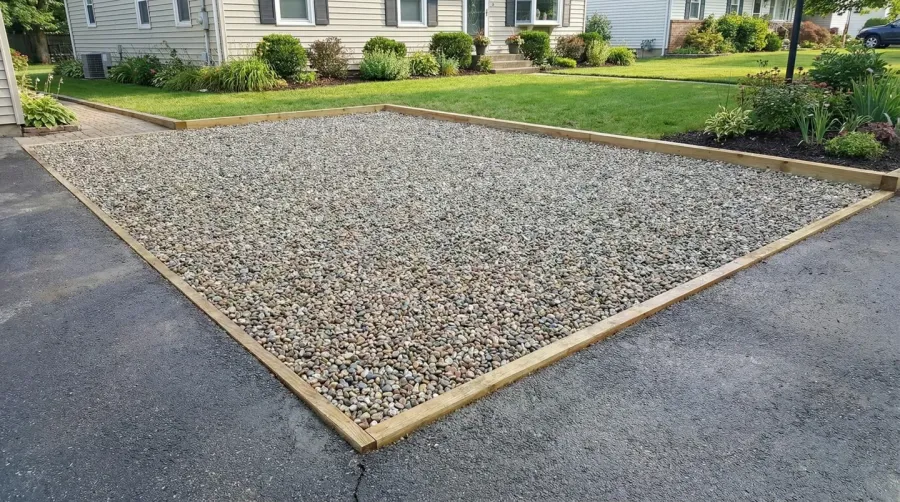
Creating a pea gravel parking pad offers an affordable, attractive solution for additional parking space. You can install a professional-looking pea gravel parking pad yourself with proper preparation, the right materials, and basic tools. The key to success lies in proper base preparation and using the correct gravel size for your specific needs.
Quick answer: Building a pea gravel parking pad involves measuring and marking your area, excavating 2-3 inches of soil, installing geotextile fabric, and spreading 3/8-inch pea gravel to a depth of 2-3 inches for optimal stability and drainage.
This guide walks you through each step of the installation process, from selecting materials to long-term maintenance strategies that keep your parking pad functional and attractive for years.
Why pea gravel makes an excellent parking pad material
Pea gravel stands out as the ideal choice for DIY parking pads because of its unique combination of practical benefits and visual appeal. The small, naturally rounded stones typically measure 1/8 to 3/8 inches in diameter, creating a surface that handles both light vehicle traffic and foot traffic comfortably.
The rounded shape allows excellent drainage, with water flowing easily through gaps between stones rather than pooling on the surface. This natural drainage prevents the freeze-thaw damage that can destroy solid paving materials in colder climates. According to hellogravel.com, 3/8-inch pea gravel provides the optimal balance of stability and drainage for most residential applications.
Cost effectiveness makes pea gravel particularly attractive for homeowners. You can typically install a pea gravel parking pad for 60-70% less than concrete or asphalt alternatives, while still achieving a polished, professional appearance that complements your landscape design. When comparing options, understanding the differences between pea gravel and crushed rock can help you make the best choice for your specific application.
Essential materials and tools for your project
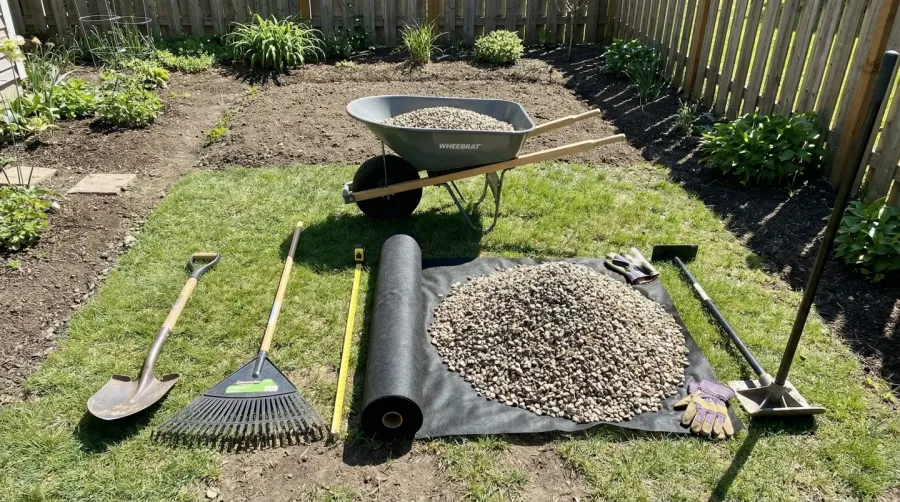
Success starts with gathering the right materials and tools before you begin excavation. Your material list should include 3/8-inch pea gravel as your surface material, geotextile fabric for weed prevention, and basic tools for preparation and installation.
For a standard single-car parking pad measuring 10 feet by 20 feet, you’ll need approximately 2-3 cubic yards of pea gravel. Calculate your needs by multiplying length times width times depth in feet, then dividing by 27 to get cubic yards. Plan for a 2-3 inch depth of gravel after compaction. If you’re unsure about quantities, learning how much pea gravel you need for a driveway can help with accurate calculations.
Essential tools include a shovel or small excavator for soil removal, a rake for spreading and leveling, a wheelbarrow for moving materials, and a plate compactor if you want professional results. A measuring tape, spray paint for marking, and a level help ensure accurate installation. For larger projects, consider convenient bulk pea gravel delivery to save time and effort.
Pro tip: Order 10-15% extra gravel to account for settling and future touch-ups, as having matching material on hand saves time and ensures color consistency.
Step-by-step installation process
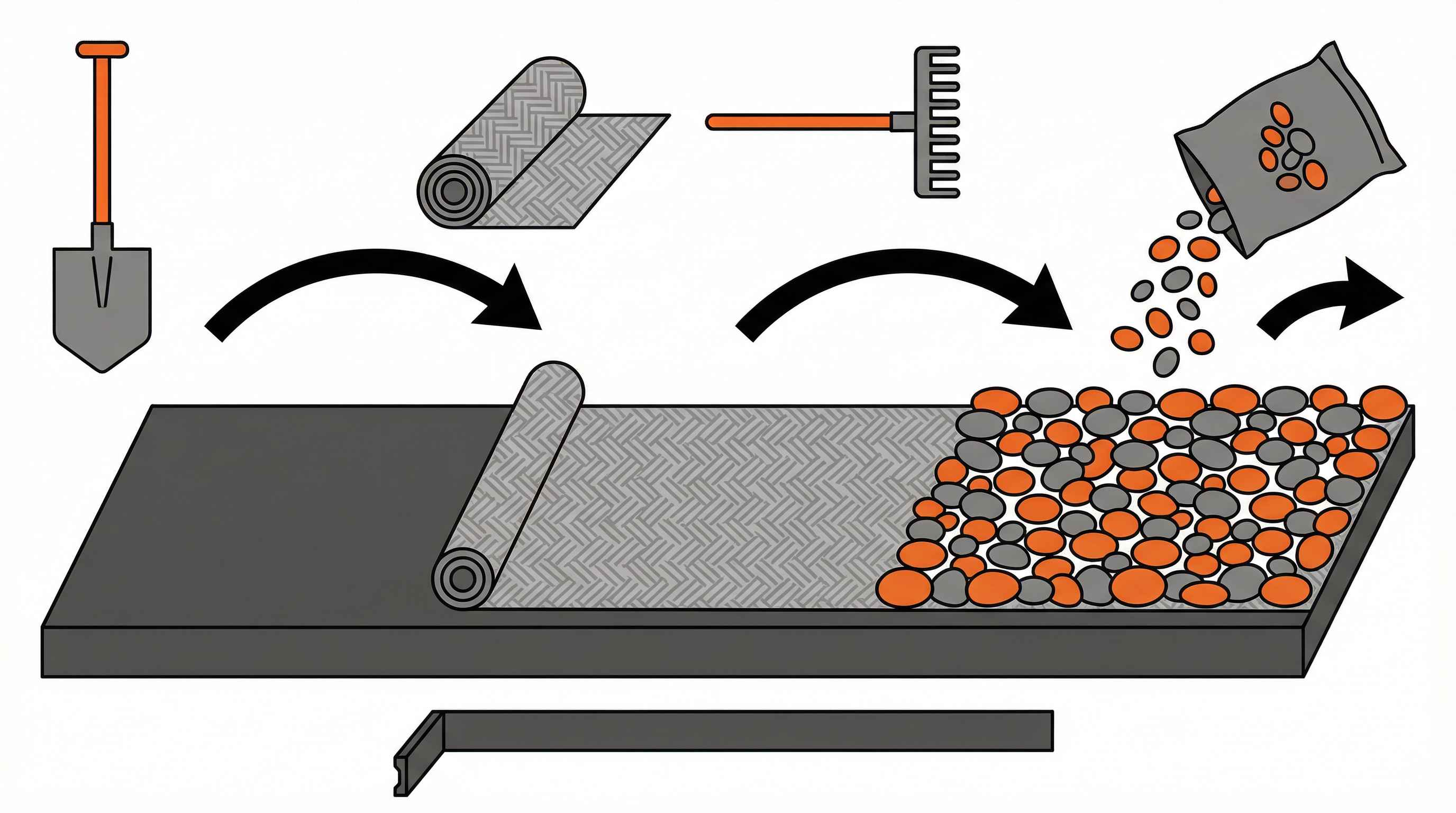
Start by measuring and clearly marking your parking pad area using spray paint or stakes and string. Most single-car pads measure 10 feet by 20 feet, while larger vehicles may need 12 feet by 24 feet. Check local regulations for setback requirements from property lines before finalizing your layout.
Excavate the marked area to a depth of 2-3 inches, removing all grass, roots, and organic material. The excavation should be level and slightly sloped away from buildings for proper drainage. Compact the soil base using a plate compactor or hand tamper to create a stable foundation. Understanding base material vs pea gravel considerations will help ensure proper structural support.
Install geotextile fabric over the entire excavated area, overlapping seams by 6 inches and securing edges with landscape staples. This fabric prevents weeds from growing through your gravel while allowing water to drain freely. According to hellogravel.com, proper base preparation prevents sinking, shifting, and weed growth that can ruin your installation.
Pour and spread your pea gravel evenly across the fabric to a depth of 2-3 inches. Use a rake to level the surface, then compact lightly with a plate compactor. The finished surface should be level with surrounding areas and slope slightly for drainage. For optimal results, selecting the ideal pea gravel size is crucial for both stability and appearance.
Long-term maintenance and care tips
Pea gravel parking pads require minimal maintenance when properly installed, but regular attention keeps them looking their best. Rake the surface monthly to redistribute stones and maintain an even appearance, especially after heavy use or weather events. For detailed guidance, check out our comprehensive article on how to maintain a pea gravel parking pad.
Add fresh gravel every 2-3 years to replace material that naturally migrates or gets tracked away. A thin layer of matching gravel refreshes the appearance and maintains proper depth for vehicle support. Store extra gravel in a dry location to prevent color fading from weather exposure.
| Maintenance Task | Frequency | Purpose |
|---|---|---|
| Raking surface | Monthly | Even distribution |
| Adding fresh gravel | 2-3 years | Maintain depth |
| Weed removal | As needed | Appearance |
| Edge maintenance | Seasonally | Define boundaries |
Monitor edges regularly and add border materials like landscape edging or larger stones to prevent gravel migration into surrounding areas. Proper edge definition maintains the clean appearance of your parking pad while reducing long-term maintenance needs.
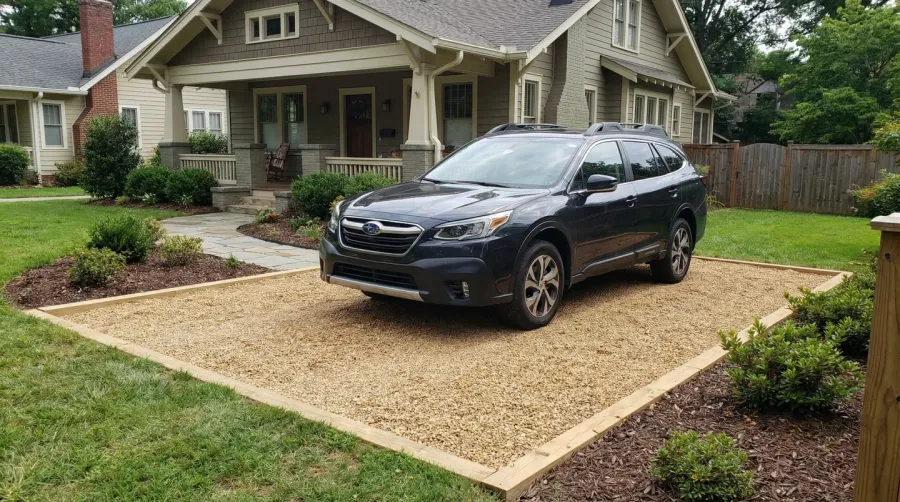
Important note: While pea gravel doesn’t compact as firmly as angular crushed stone due to its rounded shape, proper installation with adequate base preparation creates a stable surface suitable for regular passenger vehicle use.
Your new pea gravel parking pad will provide years of reliable service with minimal upkeep. The natural drainage, attractive appearance, and cost-effective installation make it an excellent choice for homeowners seeking additional parking space without the expense of concrete or asphalt alternatives.
FAQ
How deep should I excavate for a pea gravel parking pad?
Excavate 2-3 inches deep for the pea gravel surface, but for optimal stability, consider excavating 4-6 inches total to include a compacted road base layer underneath. Remove all grass, roots, and organic material, then compact the soil base before installing geotextile fabric and adding your 2-3 inches of pea gravel.
What size pea gravel is best for parking pads?
3/8-inch pea gravel provides the optimal balance of stability and drainage for most residential parking pads. This size allows excellent water drainage while creating a stable surface that can handle regular passenger vehicle traffic without excessive shifting or displacement.
How much pea gravel do I need for a single-car parking pad?
For a standard 10 feet by 20 feet single-car parking pad, you’ll need approximately 2-3 cubic yards of pea gravel. Calculate your needs by multiplying length × width × depth (in feet), then divide by 27. Order 10-15% extra to account for settling and future touch-ups.
How often does a pea gravel parking pad need maintenance?
Rake the surface monthly to redistribute stones and maintain an even appearance. Add fresh gravel every 2-3 years to replace material that naturally migrates or gets tracked away. Monitor and maintain edges seasonally to prevent gravel migration into surrounding areas.