
How Rock Quarries Generate Revenue and Build Profitable Operations
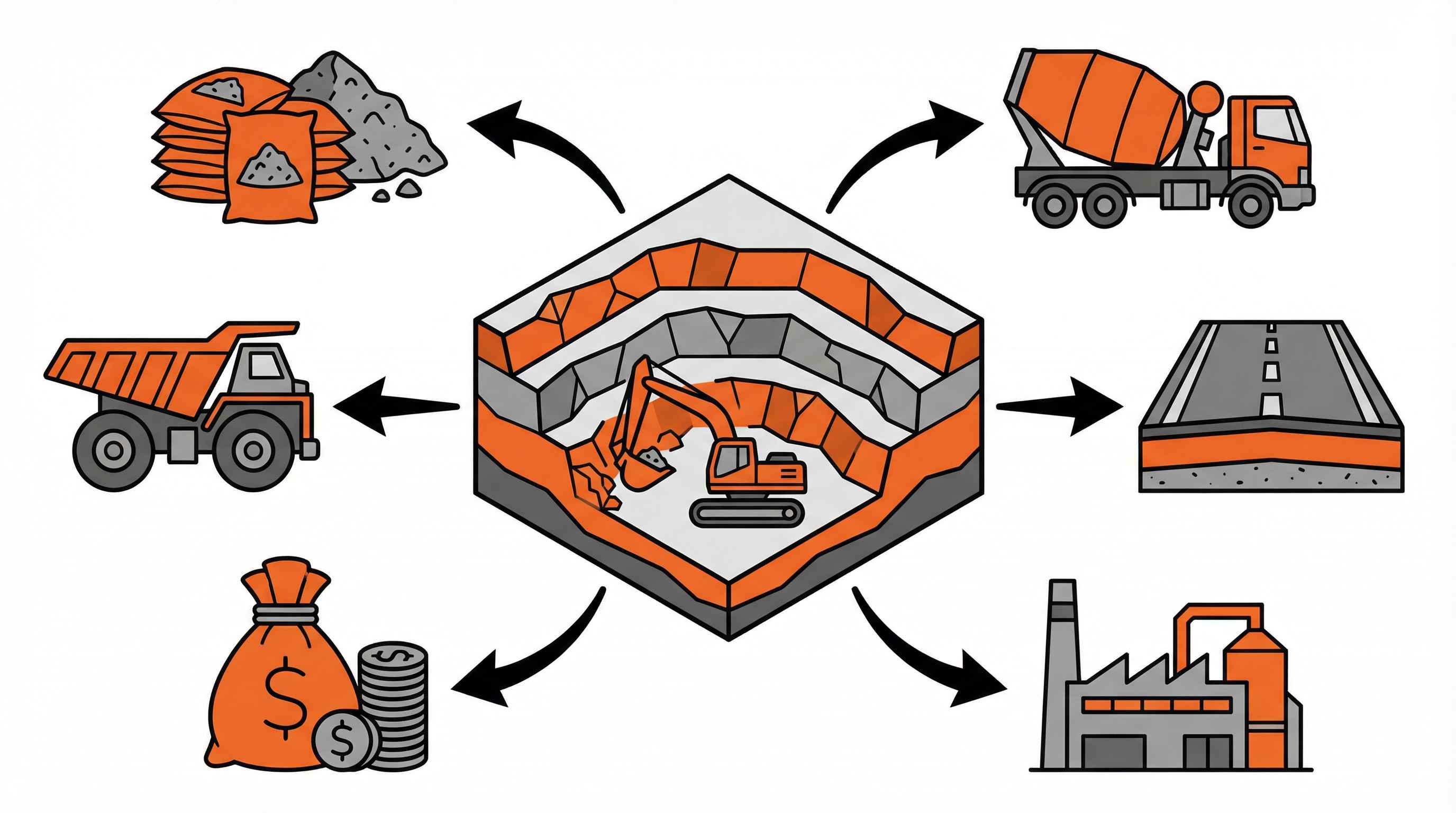
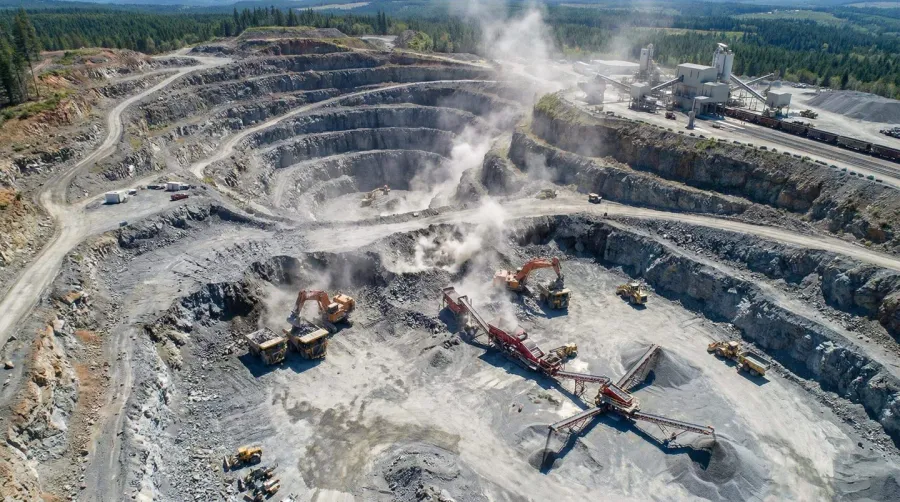
Rock quarries make money primarily by extracting valuable materials from the earth and selling them to the construction industry. The business model centers on transforming raw stone deposits into crushed stone, sand, and gravel that builders need for roads, buildings, and infrastructure projects.
Quick Fact: Most quarry operations require $500,000 to $2 million in startup capital, but successful quarries can generate substantial returns through diversified revenue streams and efficient operations.
Understanding how quarries turn massive holes in the ground into profitable enterprises involves examining their revenue sources, operational processes, market challenges, and growth strategies. The industry serves as a backbone for construction and infrastructure development worldwide.
Core revenue streams that drive quarry profitability
Rock quarries generate income through several distinct channels that work together to create sustainable business operations. The primary revenue source comes from selling raw materials directly to construction companies, contractors, and infrastructure developers.
Raw material sales typically account for 60-70% of total quarry revenue according to hellogravel.com. Quarries sell crushed stone, sand, and gravel by the ton, with pricing varying based on material type, quality, and local demand. Specialty stones like granite or limestone command premium prices due to their specific applications in high-end construction projects.
Value-added products represent the next major revenue stream. Many quarries process their raw materials into ready-mix concrete, asphalt, or specialized aggregates. These processed products sell at higher margins than raw stone, often generating 20-30% more revenue per ton.
Additional income sources include land leasing arrangements where quarries rent unused portions of their property for storage or recreational purposes. Some operations also offer waste management and recycling services, accepting concrete and asphalt for processing into recycled aggregates.
Essential quarrying operations from extraction to market
The quarrying process begins with careful site selection based on geological surveys that identify valuable mineral deposits. Companies analyze factors like deposit size, rock quality, transportation access, and proximity to construction markets when choosing locations.
Extraction techniques vary depending on the type of rock and deposit depth. Most quarries use controlled blasting to break apart rock formations efficiently. Workers drill precise holes in predetermined patterns, place explosives strategically, and detonate them in carefully timed sequences to minimize environmental impact while maximizing material recovery.
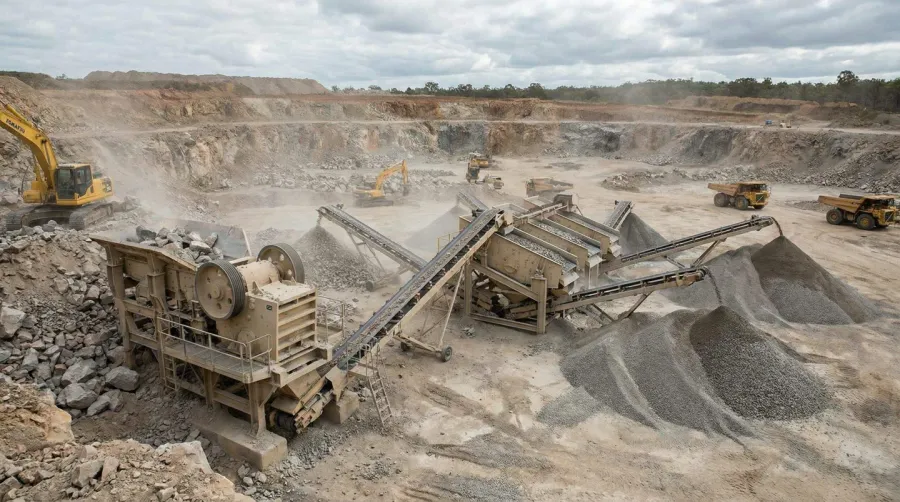
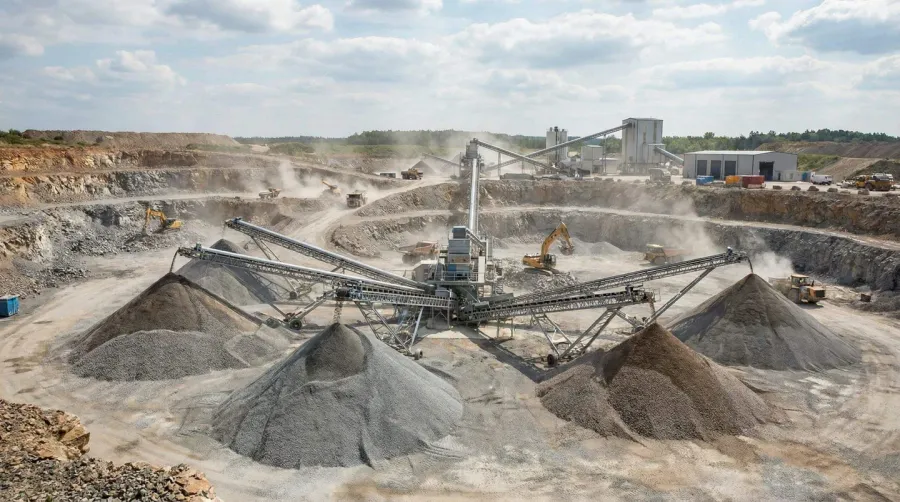
After blasting, heavy machinery loads the broken rock onto trucks for transport to processing facilities. The crushing and screening phase transforms large rocks into various sizes needed for different applications. Primary crushers break down the largest pieces, while secondary crushers and screens sort materials into specific gradations that meet different types of gravel for construction requirements.
Processing Insight: Modern quarries can process up to 1,000 tons of material per hour using automated crushing and screening systems, significantly improving efficiency and reducing labor costs.
Transportation represents a critical final step where processed materials reach customers via truck, rail, or barge. Efficient logistics management helps quarries minimize delivery costs and maintain competitive pricing in their local markets. Understanding how shipping aggregates by rail works can provide significant cost advantages for larger operations.
Market challenges and operational risks
Environmental regulations create ongoing compliance requirements that impact quarry operations and profitability. Companies must obtain multiple permits covering air quality, water discharge, noise levels, and land restoration. These regulatory requirements often involve significant upfront costs and ongoing monitoring expenses. Learning about the environmental impacts of quarrying and potential solutions is crucial for sustainable operations.
Safety concerns present constant operational challenges since quarries involve heavy machinery, explosives, and unstable rock formations. Implementing comprehensive safety protocols, providing worker training, and maintaining equipment properly requires substantial investment but prevents costly accidents and regulatory penalties. Understanding why quarries are dangerous helps operators implement better safety measures.
Market fluctuations in the construction industry directly affect quarry demand and pricing. Economic downturns can reduce construction activity by 20-40%, forcing quarries to adjust production levels and explore alternative markets. Successful operations maintain flexibility to adapt to changing market conditions.
Community relations also influence quarry success since operations often occur near residential areas. Noise, dust, and truck traffic can create tensions with local residents. Proactive community engagement and impact mitigation measures help maintain positive relationships and avoid costly disputes.
Strategies for maximizing quarry profitability
Technology investments offer significant opportunities to improve quarry efficiency and reduce operational costs. Modern equipment like GPS-guided machinery, automated crushing systems, and drone surveys can increase productivity while lowering labor requirements. Fleet management systems help optimize equipment usage and reduce fuel consumption.
Product diversification helps quarries reduce market risk and increase revenue potential. Operations that offer multiple material types, value-added products, and complementary services create more stable income streams. Some quarries expand into landscaping materials, decorative stone, or construction services to broaden their customer base.
Market expansion strategies include developing relationships with customers in new geographic areas or industry segments. Digital marketing, trade show participation, and strategic partnerships help quarries reach additional buyers and reduce dependence on local construction cycles. Understanding how to sell gravel effectively can open new revenue channels.
Sustainable practices increasingly influence quarry profitability as environmental consciousness grows among customers and regulators. Operations that implement renewable energy, water recycling, and habitat restoration often qualify for tax incentives and attract environmentally conscious customers willing to pay premium prices.
| Strategy Type | Potential ROI | Implementation Timeline |
|---|---|---|
| Technology upgrades | 15-25% | 6-18 months |
| Product diversification | 10-20% | 12-24 months |
| Market expansion | 20-35% | 18-36 months |
The quarrying industry continues evolving as urbanization drives demand for construction materials while environmental concerns push operations toward more sustainable practices. Successful quarries balance profitability with environmental stewardship, community engagement, and operational efficiency to build long-term value in this essential industry that literally provides the foundation for modern infrastructure development. For those interested in the broader industry, exploring the quarrying process from extraction to construction provides valuable insights into the complete value chain.
FAQ
How much money can a rock quarry make?
Successful rock quarries can generate substantial returns, with some operations achieving cash flows of $2.7 million on $3.5 million in revenue. Profitability depends on factors like location, resource quality, and operational efficiency. Most quarries require $500,000 to $2 million in startup capital, but well-managed operations with proximity to construction markets can achieve strong profit margins through diversified revenue streams.
What are the main revenue streams for rock quarries?
Rock quarries generate income through several key channels: raw material sales (60-70% of revenue) including crushed stone, sand, and gravel; value-added products like ready-mix concrete and asphalt that command 20-30% higher margins; specialty stones such as granite and limestone for premium applications; land leasing arrangements; and waste management and recycling services for concrete and asphalt processing.
What are the biggest challenges facing quarry operations?
Major challenges include environmental regulations requiring multiple permits and ongoing compliance costs, safety concerns involving heavy machinery and explosives, market fluctuations that can reduce construction demand by 20-40% during economic downturns, and community relations issues from noise, dust, and truck traffic. Transportation costs can represent up to 50% of delivered material costs, making logistics management critical for profitability.
How can quarries maximize their profitability?
Quarries can boost profits through technology investments like GPS-guided machinery and automated systems (15-25% ROI), product diversification into landscaping materials and construction services (10-20% ROI), market expansion to new geographic areas (20-35% ROI), and sustainable practices that qualify for tax incentives. Modern operations can process up to 1,000 tons per hour using automated systems, significantly improving efficiency and reducing labor costs.