
River Stone Driveways Benefits, Costs, and Installation Guide 2026
Guide handoff
Want help applying this guide to your project?
Share your ZIP and what you need help with. We'll use this guide as context when we follow up.
- 1 This guide gives us the context you were reading.
- 2 Ask about pricing, material choice, delivery timing, or quantity.
- 3 Keep it broad if you are still figuring out the project.
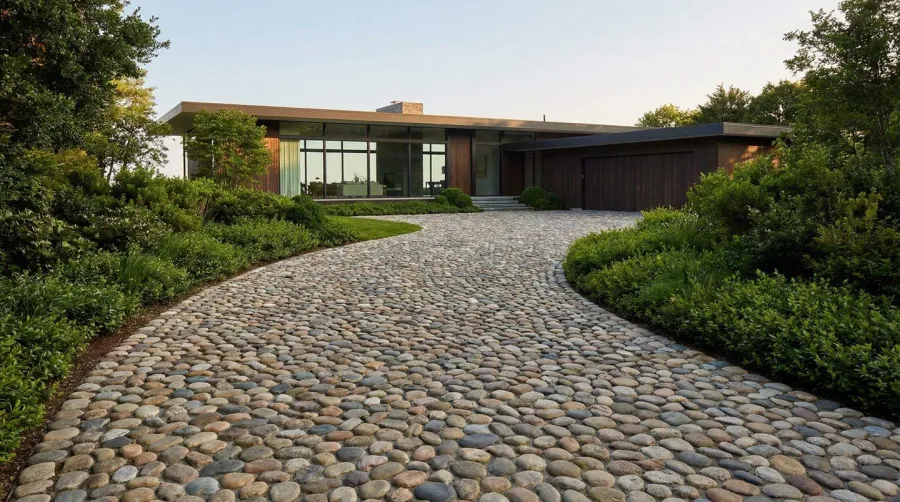
River stone driveways offer a perfect blend of natural beauty and exceptional durability for homeowners seeking an attractive, long-lasting paving solution. These naturally tumbled stones, smoothed by water over thousands of years, provide excellent drainage, require minimal maintenance, and can withstand heavy traffic while enhancing your property’s curb appeal.
Quick Answer: River stone driveways typically cost $3-8 per square foot installed and can last 50+ years with minimal maintenance, making them more cost-effective than concrete or asphalt over time.
Whether you’re considering a complete driveway renovation or exploring sustainable paving options, understanding the benefits and considerations of river stone can help you make an informed decision for your property.
What is river stone and why choose it for driveways
River stone consists of naturally rounded rocks that have been smoothed by flowing water over extended periods. According to hellogravel.com, these stones are typically composed of granite, quartz, and limestone, creating a durable material perfect for high-traffic areas.
The natural tumbling process creates stones with smooth edges and varied colors, ranging from gray and brown to red and tan. This variety allows you to customize your driveway’s appearance while maintaining functionality. River stones come in different sizes, from small pebbles (3/8 inch) to larger cobbles (1-2 inches), giving you flexibility in design and application.
For driveways, medium to large river stones work best because they provide stability under vehicle weight while allowing proper water drainage. The rounded edges prevent sharp points that could damage tires or create uncomfortable walking surfaces. To determine what type of river rock is best for a driveway, consider both aesthetic preferences and functional requirements.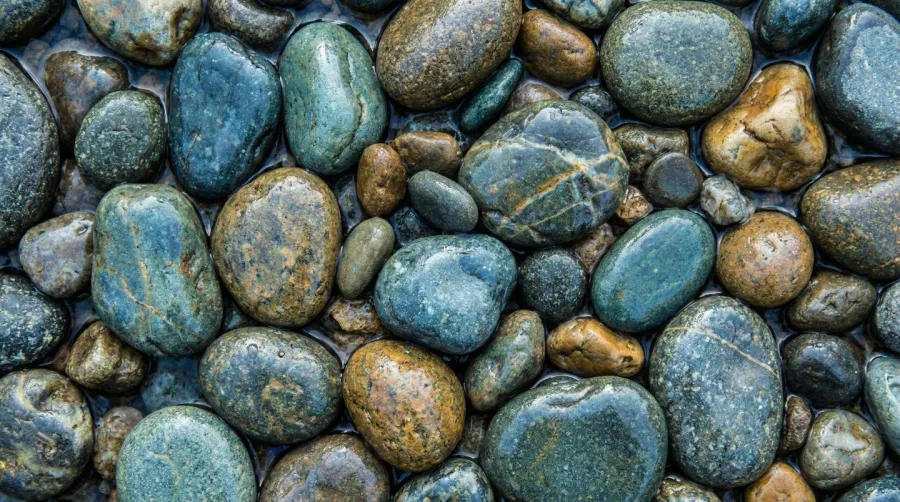
Aesthetic appeal and design versatility
River stone driveways create stunning visual impact that complements virtually any architectural style. The natural color variations and smooth textures add depth and character to your property’s entrance, making a memorable first impression on visitors.
You can arrange river stones in various patterns, from uniform layouts to more organic, flowing designs that mimic natural riverbeds. The stones’ natural beauty eliminates the need for artificial coloring or treatments, ensuring your driveway maintains its appearance over time without fading or discoloration.
The versatility extends to combining river stones with other materials. Many homeowners create borders with larger stones while filling the main driving surface with smaller ones, or incorporate river stone strips between concrete sections for added visual interest. Understanding river stone sizes for landscaping can help you create the perfect aesthetic balance.
Design Tip: Mixing stone sizes creates natural-looking patterns while ensuring proper compaction and stability for vehicle traffic.
Durability and low maintenance requirements
River stone driveways excel in longevity, often lasting 50 years or more with proper installation. The stones’ natural hardness, developed through geological processes, makes them resistant to cracking, chipping, and weather damage that commonly affects asphalt and concrete surfaces.Weather resistance stands out as a major advantage. River stones handle freeze-thaw cycles better than solid surfaces because individual stones can shift slightly without creating cracks. Heavy rain and snow don’t cause the structural damage often seen with other paving materials.
Maintenance requirements remain minimal compared to traditional driveways. You’ll occasionally need to rake the surface to redistribute stones and remove debris, but there’s no need for sealing, resurfacing, or major repairs. According to hellogravel.com, this low maintenance makes river stone particularly attractive for busy homeowners.
| Material | Lifespan | Maintenance Frequency | Weather Resistance |
|---|---|---|---|
| River Stone | 50+ years | Annual raking | Excellent |
| Asphalt | 15-20 years | Every 3-5 years | Fair |
| Concrete | 25-30 years | Every 5-10 years | Good |
Environmental benefits and drainage advantages
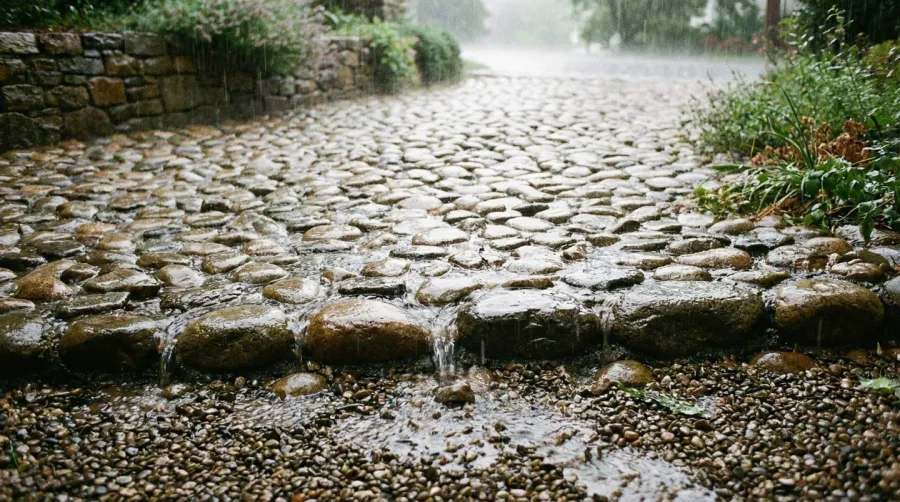
River stone driveways offer significant environmental advantages over impermeable surfaces. The spaces between stones allow rainwater to filter through naturally, reducing runoff and helping prevent flooding. This permeability supports groundwater recharge and reduces strain on municipal drainage systems. Learn more about what type of river rock is best for drainage to optimize water management on your property.
The natural material requires no energy-intensive manufacturing processes, unlike concrete or asphalt. When sourced locally, river stone has a minimal carbon footprint compared to manufactured alternatives. The stones can also be reused or relocated if you decide to change your landscape design.
Erosion control represents another environmental benefit. The weight and interlocking nature of properly installed river stones help stabilize soil and prevent washout during heavy rains. This stability protects your property and surrounding areas from erosion damage. For properties with specific drainage challenges, consider reading about using drainage rock to improve drainage in your garden.
Environmental Fact: Permeable driveways like river stone can reduce surface water runoff by up to 90% compared to solid concrete or asphalt surfaces.
Cost considerations and installation factors
Initial installation costs for river stone driveways typically range from $3-8 per square foot, depending on stone type, site preparation needs, and local labor costs. While this may exceed basic gravel options, the long-term value becomes apparent when considering durability and maintenance savings. For detailed pricing information, check out the ultimate guide to river rock prices.
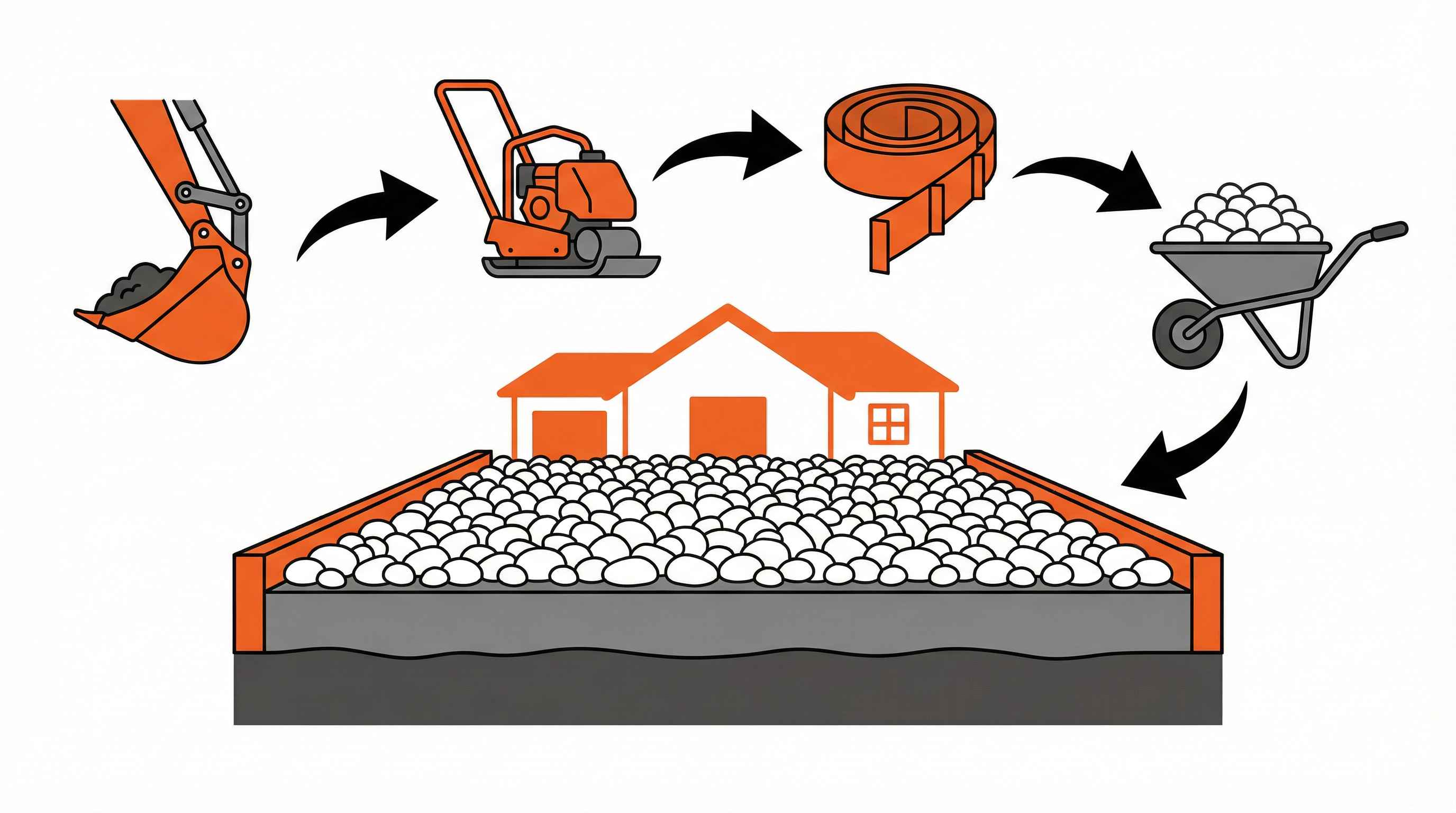
The installation process requires proper site preparation, including excavation, base material installation, and careful stone placement. Professional installation ensures proper drainage and prevents future settling issues. According to hellogravel.com, proper layering with base materials creates a stable foundation that prevents stone migration.Long-term cost efficiency makes river stone driveways economically attractive. Unlike asphalt that requires regular sealing and eventual replacement, or concrete that may crack and need repair, river stone maintains its functionality and appearance with minimal intervention. The absence of ongoing maintenance costs often makes river stone more economical over a 20-30 year period. If you’re considering purchasing in larger quantities, explore where to buy river rocks in bulk wholesale for potential cost savings.
Consider factors like local stone availability, site accessibility, and desired aesthetic when budgeting. Steep driveways may require additional stabilization measures, while flat areas typically need standard installation techniques.
River stone driveways represent an excellent investment for homeowners seeking durability, beauty, and environmental responsibility. The combination of natural aesthetics, exceptional longevity, and minimal maintenance requirements makes river stone a practical choice that enhances property value while providing decades of reliable service. When properly installed with quality materials, your river stone driveway will continue looking beautiful and functioning effectively for generations to come.
FAQ
What is river stone and why is it good for driveways?
River stone consists of naturally rounded rocks that have been smoothed by flowing water over thousands of years. These stones are typically composed of granite, quartz, and limestone, making them extremely durable for high-traffic areas. River stone is excellent for driveways because it provides superior drainage, prevents water pooling, resists cracking unlike concrete, and offers natural beauty with varied colors ranging from gray and brown to red and tan.
How much does a river stone driveway cost?
River stone driveways typically cost $3-8 per square foot installed, depending on stone type, site preparation needs, and local labor costs. While the initial investment may be higher than basic gravel, river stone driveways are more cost-effective long-term due to their 50+ year lifespan and minimal maintenance requirements. Unlike asphalt or concrete that need regular repairs and replacement, river stone maintains functionality with only occasional raking.
What are the pros and cons of river stone driveways?
Pros include excellent drainage that reduces runoff by up to 90%, exceptional durability lasting 50+ years, minimal maintenance requiring only annual raking, natural beauty that enhances curb appeal, and environmental benefits through groundwater recharge. Cons include potential stone shifting without proper edging, the need for occasional redistribution of stones, and higher initial costs compared to basic gravel options. However, the long-term benefits typically outweigh these minor drawbacks.
How do river stone driveways compare to concrete and asphalt?
River stone driveways significantly outperform concrete and asphalt in longevity and maintenance. While asphalt lasts 15-20 years and concrete lasts 25-30 years, river stone driveways can last 50+ years. River stone requires only annual raking compared to asphalt’s 3-5 year maintenance cycles and concrete’s 5-10 year needs. River stone also provides superior drainage and weather resistance, handling freeze-thaw cycles without cracking, while maintaining natural beauty without fading or discoloration.