
Crushed Concrete vs Limestone Which Material Works Best for Your Project
Guide handoff
Want help applying this guide to your project?
Share your ZIP and what you need help with. We'll use this guide as context when we follow up.
- 1 This guide gives us the context you were reading.
- 2 Ask about pricing, material choice, delivery timing, or quantity.
- 3 Keep it broad if you are still figuring out the project.
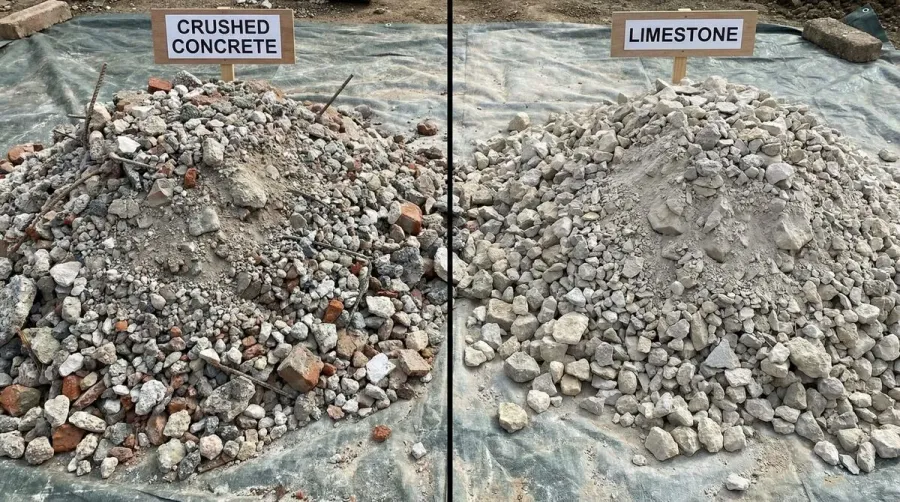
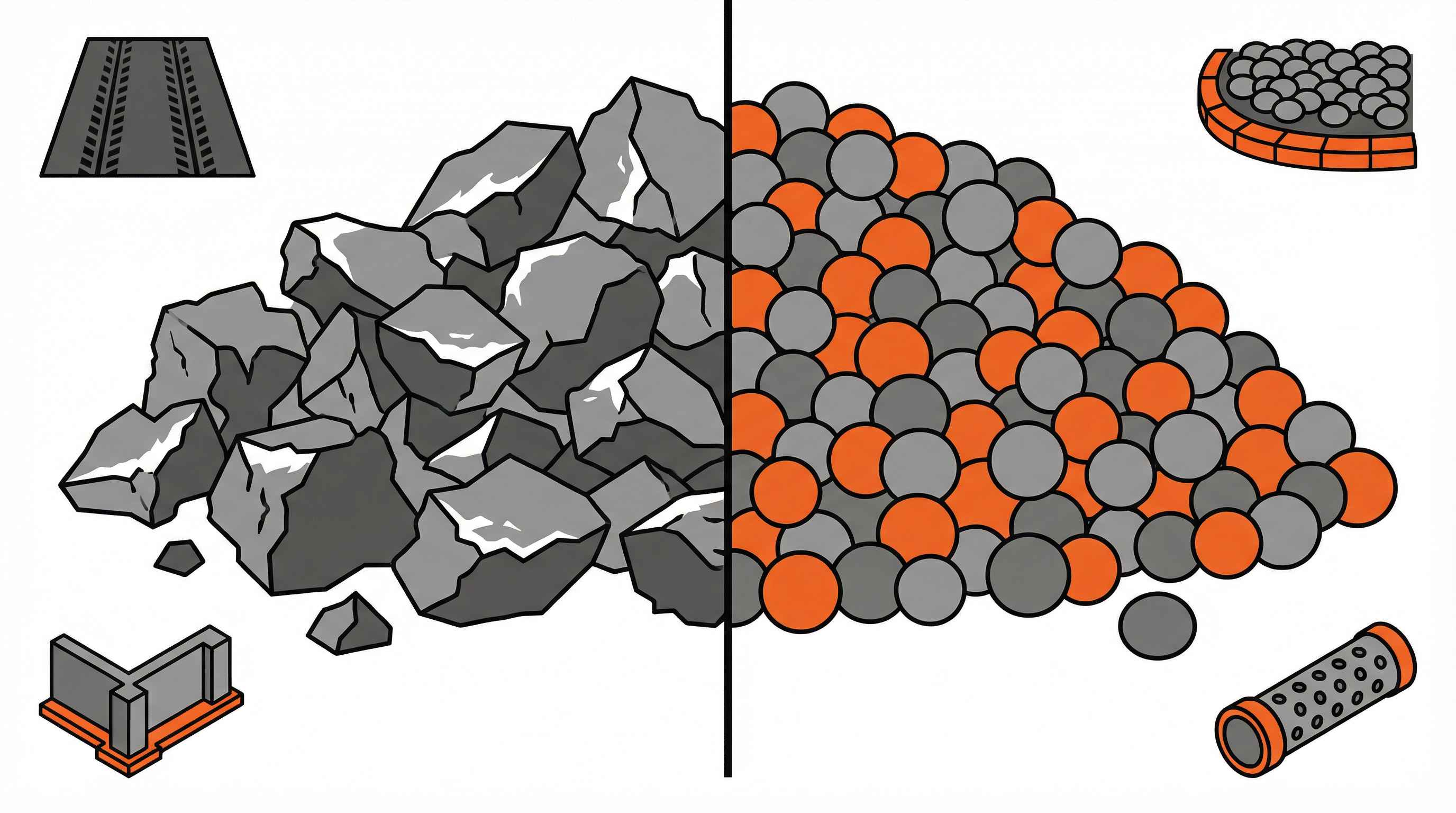
Choosing between crushed concrete and limestone can make or break your construction project. Both materials offer unique advantages, but the right choice depends on your specific needs, budget, and project requirements. Crushed concrete typically costs 30-50% less than limestone while providing excellent durability for heavy-duty applications. Limestone offers superior aesthetic appeal and comes in various natural colors, making it ideal for decorative projects.
Quick Answer: Crushed concrete works best for cost-effective, eco-friendly projects like road bases and drainage systems. Limestone excels in applications requiring natural beauty and long-term durability, such as driveways and landscaping features.
Understanding these materials helps you make informed decisions that save money and deliver better results. Let’s explore what sets them apart and when to use each one.
What is crushed concrete and how does it work
Crushed concrete comes from demolished buildings, roads, and structures that get processed into reusable aggregate. Instead of ending up in landfills, this recycled material gets crushed, screened, and sorted into various sizes for construction use.
The recycling process removes contaminants like rebar and wood, leaving behind clean concrete pieces. These fragments retain much of their original strength, making crushed concrete surprisingly durable for new projects. You’ll find it used extensively in road construction, drainage systems, and as base material for driveways and patios.
What makes crushed concrete special is its environmental benefit. According to hellogravel.com, using recycled concrete reduces waste and promotes a circular economy while providing a cost-effective construction solution.
The material compacts well under pressure, creating stable surfaces that can handle heavy loads. Its angular shape helps pieces lock together, providing excellent structural integrity for base applications. Understanding how to compact crushed concrete properly ensures optimal performance and longevity.
Understanding limestone as a construction material
Limestone forms over millions of years from compressed marine organisms, shells, and sediments. This natural process creates a dense, durable rock that has served construction needs for centuries.
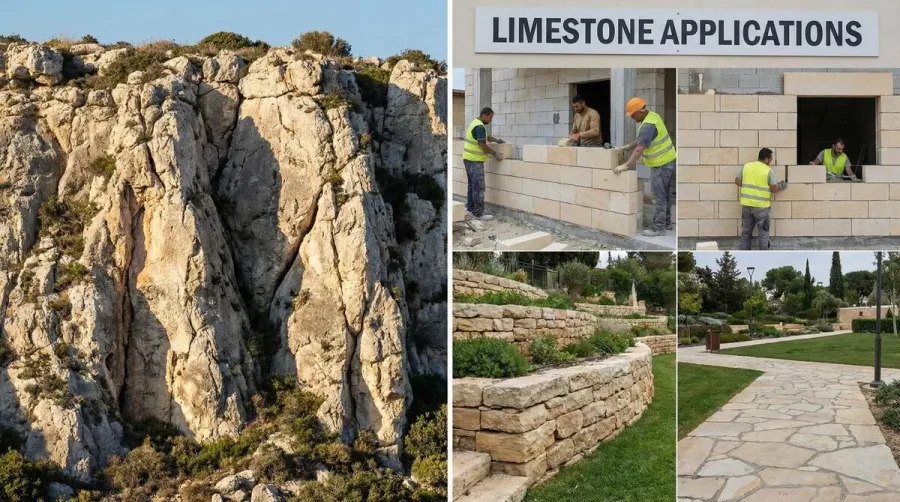
As a construction material, limestone offers remarkable versatility. You can use it for building foundations, road bases, concrete production, and decorative landscaping. The stone comes in various colors ranging from white and gray to buff and tan, depending on mineral content and formation conditions.
Crushed limestone provides excellent drainage properties while maintaining structural strength. Its natural composition makes it chemically stable, resisting weathering and maintaining performance over decades. The material also helps improve soil pH in landscaping applications, supporting plant growth.
Processing limestone involves quarrying, crushing, and screening to achieve desired sizes. Unlike recycled materials, limestone requires mining operations, which affects its environmental footprint and cost structure.
Cost comparison and budget considerations
Your material choice significantly impacts project costs, with crushed concrete typically offering substantial savings. Based on industry data from hellogravel.com, crushed concrete ranges from $10-50 per ton, while limestone costs $30-100 per ton.
| Material | Cost Range (per ton) | Best Value Applications |
|---|---|---|
| Crushed Concrete | $10-50 | Road base, drainage, utility projects |
| Limestone | $30-100 | Driveways, landscaping, decorative features |
Several factors influence these prices. Transportation costs affect both materials, but crushed concrete often comes from local demolition projects, reducing delivery expenses. Limestone requires quarrying and longer transportation from specific geological areas.
Cost Tip: Buying in bulk significantly reduces per-ton costs for both materials. Projects requiring 10+ tons often qualify for volume discounts and reduced delivery fees.
Quality grades also impact pricing. Higher-grade limestone with consistent color and texture commands premium prices, while standard crushed concrete maintains relatively stable pricing across different specifications. When comparing costs, it’s worth examining crushed concrete vs gravel price differences to understand the full spectrum of aggregate options.
Consider long-term value alongside upfront costs. While limestone costs more initially, its durability and aesthetic appeal can increase property values, potentially offsetting higher material expenses.
Performance and durability in real applications
Both materials excel in durability, but their performance characteristics suit different applications. Crushed concrete demonstrates exceptional strength in heavy-duty scenarios, withstanding significant loads without degradation.
The angular shape of crushed concrete pieces creates excellent interlocking properties. This mechanical bond provides stability for road bases and foundations, even under constant traffic stress. According to hellogravel.com, crushed concrete maintains its structural integrity through multiple freeze-thaw cycles.
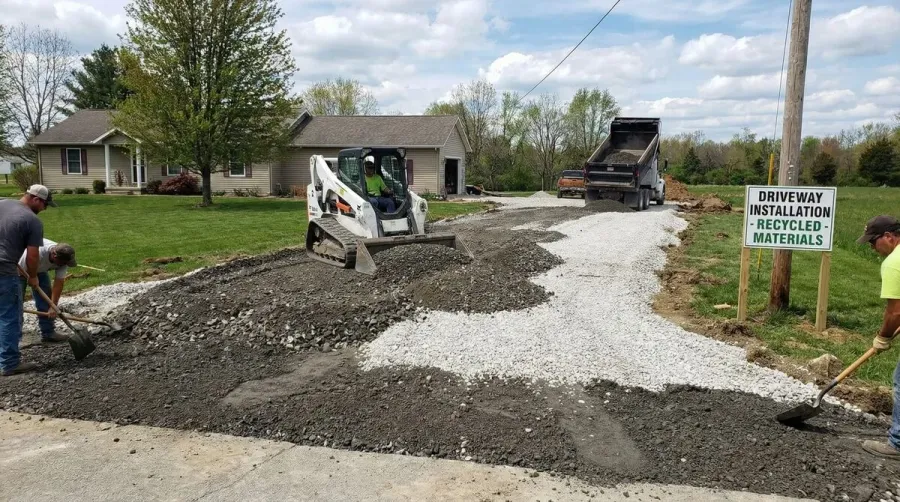
Limestone offers different performance advantages. Its natural density provides excellent load distribution, making it ideal for applications requiring smooth, stable surfaces. The material resists chemical weathering better than many alternatives, maintaining appearance and function over time.
Drainage performance varies between materials. Crushed concrete’s irregular shapes create more void space, promoting better water flow. For those wondering does crushed concrete drain well, the answer is yes—its structure makes it excellent for drainage applications. Limestone’s more uniform structure provides controlled drainage while maintaining surface stability.
Performance Note: Crushed concrete typically requires less maintenance over time due to its self-cementing properties when compacted, while limestone may need occasional releveling in high-traffic areas.
Maintenance requirements differ significantly. One common question is will crushed concrete harden over time—it often improves with age as fine particles fill voids and create stronger bonds. Limestone maintains consistent performance but may require periodic cleaning to preserve appearance in decorative applications.
Weather resistance favors both materials, though limestone handles acidic conditions better due to its natural buffering capacity. Crushed concrete performs excellently in standard weather conditions but may show minor surface changes in highly acidic environments.
Both materials offer excellent value when matched to appropriate applications. Understanding their performance characteristics helps you select the right material for your specific project needs and environmental conditions.
FAQ
Is crushed concrete cheaper than limestone?
Yes, crushed concrete costs $10-50 per ton compared to limestone’s $30-100 per ton, providing 30-50% savings. For a typical 50-ton driveway project, you could save up to $2,500 by choosing crushed concrete. The price advantage is especially significant in urban areas where crushed concrete from local demolition projects is readily available, reducing transportation costs.
Which material is better for driveways: crushed concrete or limestone?
Choose crushed concrete for utility or back driveways where cost-effectiveness and heavy load-bearing are priorities. It compacts 10-15% better under traffic and provides excellent stability. Limestone works best for front or visible driveways where aesthetic appeal matters, offering consistent color and easier grading. Both materials are durable, but your choice should depend on budget and appearance requirements.
Does crushed concrete or limestone provide better compaction?
Crushed concrete typically compacts 10-15% better than limestone due to its angular recycled pieces that interlock effectively under pressure. This superior compaction makes it ideal for heavy-duty applications and high-traffic areas. However, certain limestone types with fine particles can also achieve excellent compaction, particularly for sub-base applications where controlled drainage is important.
Which material is more environmentally friendly?
Crushed concrete is generally more environmentally friendly as it diverts waste from landfills and promotes a circular economy through recycling. When sourced locally, it can reduce transportation emissions by 60-80% compared to quarried limestone. However, limestone has a smaller processing footprint and doesn’t contain potential contaminants. Both materials offer sustainable benefits depending on your project’s specific location and requirements.