
Complete Guide to Stone Base Materials for Construction Projects
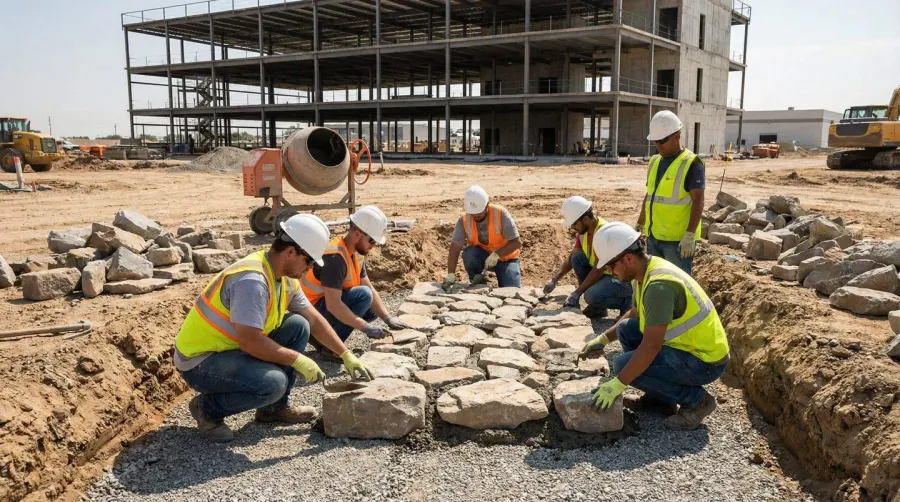
When you’re planning any construction project, choosing the right stone base material can make or break your foundation’s long-term stability. Stone bases distribute weight evenly across the ground, prevent structural settling, and provide the crucial support that keeps buildings standing strong for decades.
Whether you’re building a simple garden wall or a complex commercial structure, understanding stone base materials helps you avoid costly repairs down the road. This guide walks you through everything you need to know about selecting, installing, and maintaining stone bases for your construction project.
Quick Fact: Properly installed stone bases can increase foundation stability by up to 40% compared to unprepared soil, significantly reducing the risk of structural failure over time.
What are stone base materials
Stone base materials are large, flat stones that create the foundational layer for construction projects. You’ll typically find these made from natural materials like granite, limestone, or sandstone, chosen specifically for their strength and ability to handle heavy loads without cracking or shifting.
These materials work by distributing the weight of your structure evenly across the ground beneath. When you place a building directly on unprepared soil, certain areas might sink or shift over time. Stone bases prevent this by creating a stable, level platform that spreads the load across a wider area.
The preparation process matters just as much as the stones themselves. Before installation, contractors remove vegetation and loose soil, then compact the ground to create the most stable surface possible. This careful preparation ensures your stone base performs its job effectively for years to come.
Types of stone base materials you can choose
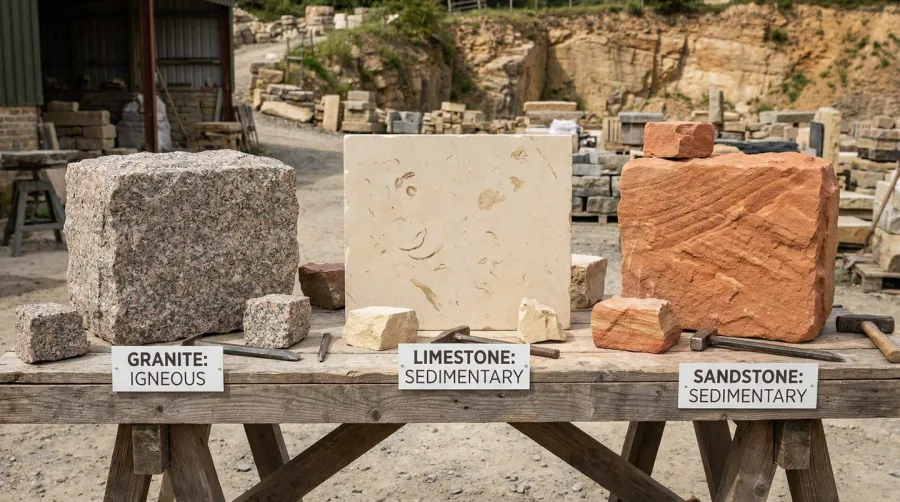
Common stone base options include granite, limestone, and sandstone, each offering different benefits for your project. Granite provides exceptional durability and weather resistance, making it perfect for areas with harsh climates or heavy traffic. Its natural beauty also adds visual appeal to visible foundation areas.
Limestone offers excellent compaction properties and works well in most soil conditions. You’ll find it’s often more affordable than granite while still providing reliable long-term performance. Many contractors prefer limestone for residential projects because it balances cost with effectiveness.
Sandstone brings a rustic appearance with natural color variations that many homeowners love. While not quite as durable as granite, it still provides solid performance for most residential applications and offers unique aesthetic possibilities.Premium options like marble, onyx, and travertine cost more but deliver exceptional beauty for high-end projects. These materials work best when appearance matters as much as function, such as in luxury homes or commercial buildings where the foundation might be partially visible.
| Stone Type | Durability | Cost | Best Use |
|---|---|---|---|
| Granite | Excellent | High | Heavy-duty foundations |
| Limestone | Good | Medium | General construction |
| Sandstone | Good | Medium | Residential projects |
| Marble | Excellent | Very High | Luxury applications |
How to choose the right stone base for your project
Consider your project’s specific requirements before selecting any stone base material. The weight your foundation needs to support plays the biggest role in this decision. Heavy structures like multi-story buildings require stronger materials like granite, while lighter residential projects can use limestone or sandstone effectively.Your local soil conditions also influence the best choice. Clay soils that expand and contract with moisture changes need stone bases with excellent stability properties. Sandy soils drain well but might require different compaction techniques depending on your chosen stone type.
Climate considerations matter more than many people realize. Areas with frequent freeze-thaw cycles need stones that resist cracking from temperature changes. Regions with heavy rainfall benefit from stones with good drainage properties that prevent water buildup around the foundation.
Avoid common selection mistakes that can cost you later. Don’t choose stone based solely on appearance without considering structural requirements. Beautiful stones that can’t handle your project’s load will fail regardless of how good they look.
Pro Tip: Always consult with a structural engineer when selecting stone bases for load-bearing applications. Their expertise can save you thousands in potential repairs and ensure your foundation meets local building codes.
Installation process for stone base materials
Site preparation forms the foundation of successful stone base installation. Start by marking your project boundaries clearly and removing all vegetation from the area. Excavate to the required depth, typically 6-12 inches depending on your project size and local building codes.
Compact the excavated soil using appropriate equipment to create a stable base. Many contractors add a layer of geotextile fabric at this stage to prevent weeds and provide additional stability. This fabric also helps separate your stone base from the underlying soil.
Stone placement and compaction require careful attention to detail. Spread your chosen stone material evenly across the prepared area, maintaining consistent thickness throughout. Use a plate compactor or roller to compress the stones, creating a solid, interlocked surface.
Work in layers if your project requires significant depth. Compact each layer thoroughly before adding the next to ensure maximum stability. Check for level surfaces regularly during installation to avoid problems later in your construction process.
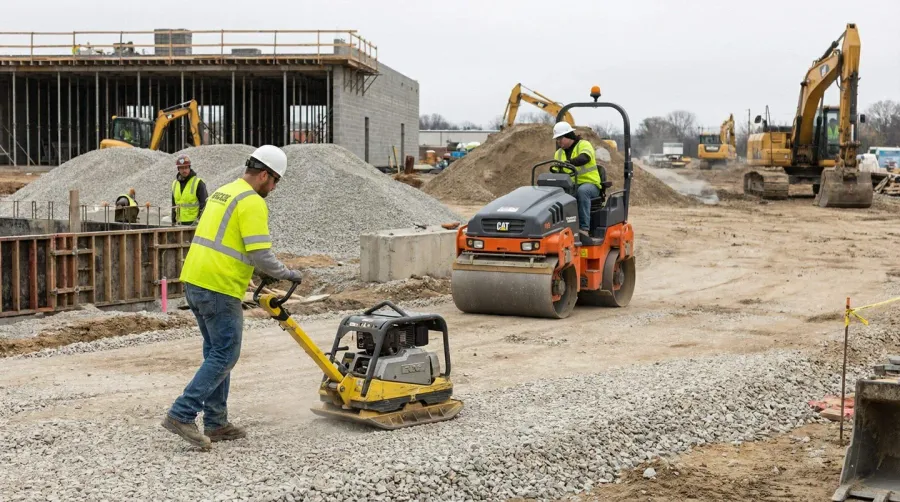
Quality control during installation prevents future issues. Test compaction levels using appropriate tools and add more material to any low spots you discover. Proper drainage slopes away from structures help prevent water accumulation that could undermine your stone base over time.
Maintenance and longevity of stone bases
Regular inspection helps you catch potential problems before they become expensive repairs. Walk around your stone base areas at least twice yearly, looking for signs of settling, cracking, or erosion. Pay special attention to areas near downspouts or other water sources.
Clean debris from stone surfaces regularly to maintain proper drainage. Leaves, dirt, and other materials can block water flow and create conditions that lead to erosion or instability. A simple sweep or pressure wash usually handles most cleaning needs.
Address issues promptly when you spot them during inspections. Small cracks or settled areas are much easier and cheaper to fix than major structural problems. Replace damaged stones quickly to prevent surrounding areas from becoming unstable.
Maintenance Tip: Apply protective sealants every 3-5 years to extend your stone base’s lifespan, especially in areas with harsh weather conditions or heavy moisture exposure.
Proper maintenance extends stone base life significantly, often doubling or tripling the time before major repairs become necessary. This proactive approach saves money and prevents the disruption that comes with major foundation work.
Understanding stone base materials empowers you to make informed decisions that protect your construction investment. From selecting the right type for your specific needs to ensuring proper installation and maintenance, each step contributes to a foundation that will serve your project reliably for decades. Whether you’re working on retaining wall base projects or patio foundations, take time to plan carefully, and your stone base will provide the solid foundation your structure deserves.
FAQ
What is the difference between stone base materials and crushed stone base?
Stone base materials refer to large, flat natural stones like granite, limestone, and sandstone used as foundational layers in construction. Crushed stone base, on the other hand, consists of crushed aggregate materials used for sub-base compaction and drainage. Both serve foundational purposes but stone base materials provide direct structural support while crushed stone creates a stable compacted layer.
How thick should stone base materials be for different construction projects?
Stone base thickness varies by project type: residential foundations typically require 6-12 inches, driveways need 4-6 inches, garden walls require 3-4 inches, and heavy commercial structures may need 12+ inches. The exact thickness depends on soil conditions, expected load, and local building codes. Always consult with a structural engineer for load-bearing applications.
Which stone base material is best for areas with harsh weather conditions?
Granite is the best choice for harsh weather conditions due to its exceptional durability and resistance to freeze-thaw cycles. It handles temperature fluctuations without cracking and provides superior weather resistance compared to limestone or sandstone. For areas with frequent moisture and temperature changes, granite’s low porosity prevents water infiltration that could cause structural damage.
How often should stone base materials be inspected and maintained?
Stone base materials should be inspected at least twice yearly, preferably in spring and fall. Look for signs of settling, cracking, or erosion, especially near water sources. Clean debris regularly to maintain proper drainage, and apply protective sealants every 3-5 years in harsh weather conditions. Address any issues promptly to prevent small problems from becoming expensive structural repairs.