
Complete Guide to Road Base Material for Driveways and Construction
Guide handoff
Want help applying this guide to your project?
Share your ZIP and what you need help with. We'll use this guide as context when we follow up.
- 1 This guide gives us the context you were reading.
- 2 Ask about pricing, material choice, delivery timing, or quantity.
- 3 Keep it broad if you are still figuring out the project.
Road base material forms the foundation of every durable driveway and road, providing the stability that prevents cracking, shifting, and costly repairs. This compacted aggregate layer distributes vehicle weight evenly and ensures proper drainage, making it essential for any construction project that needs to last.
Quick Answer: Road base is a mixture of crushed stone, gravel, and fine particles that compacts tightly to create a stable foundation. The most common types include Class 5 road base, crushed concrete, and #57 stone, each offering different benefits for specific applications.
Whether you’re building a new driveway or maintaining existing infrastructure, understanding road base material will help you make informed decisions that save money and ensure long-term performance. This guide covers everything from material selection to proper installation techniques.
What is road base material and why does it matter
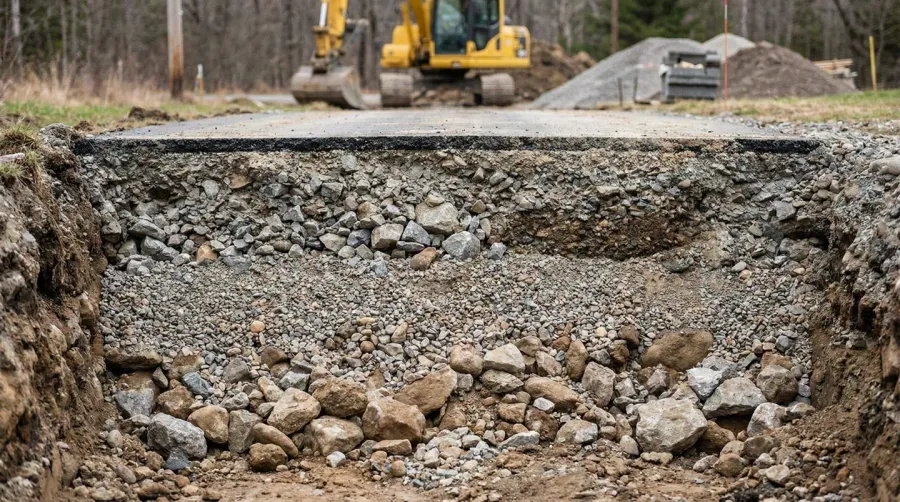
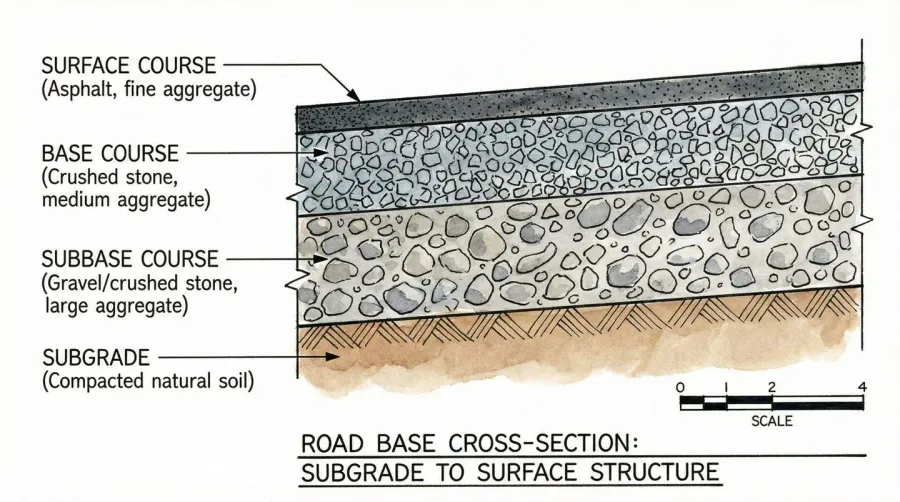
Road base material is a carefully engineered mixture of crushed stone, gravel, and fine particles designed to create a stable foundation beneath paved surfaces. Think of it as the skeleton of your driveway or road – without it, even the best asphalt or concrete will eventually crack and fail under pressure.
The material works by distributing the weight of vehicles across a broader area, preventing concentrated stress that leads to surface damage. The fine particles, called “fines,” fill gaps between larger stones, creating a dense, interlocked surface that resists movement and erosion.
According to hellogravel.com, properly installed road base can support heavy loads while allowing water drainage, preventing the pooling that weakens foundations. This dual function of support and drainage makes road base essential for any project expecting regular traffic.
The composition typically ranges from 1½ inches down to fine particles, creating what engineers call a “well-graded” material. This gradation ensures optimal compaction and load-bearing capacity for both residential driveways and commercial applications.
Types of road base material and their best uses
Different road base materials serve specific purposes, and choosing the right type depends on your project’s traffic load, drainage needs, and budget. Here’s what you need to know about the most common options.
Class 5 Road Base represents the gold standard for most applications. This mixture contains crushed limestone or granite with a precise gradation that compacts exceptionally well. You’ll find it used in everything from residential driveways to highway construction because it provides excellent stability and load-bearing capacity.
Crushed Concrete offers an eco-friendly alternative that performs nearly as well as traditional materials. Made from recycled concrete, it contains the same range of particle sizes as Class 5 but costs less and reduces environmental impact. Many contractors choose this for base layers where appearance isn’t a concern. Learn more about using crushed concrete for various construction projects.
Cost Savings Tip: Crushed concrete typically costs 20-30% less than new aggregate while providing similar performance, making it ideal for large projects or budget-conscious homeowners.
#57 Crushed Stone works well when you need both structural support and drainage. While it doesn’t contain as many fines as road base, its angular shape allows pieces to lock together under compaction. This makes it popular for areas around foundations or as a top layer over more compactable materials. For guidance on selecting the best crushed stone size for foundations, consider your specific project requirements.
The key difference lies in the “fines” content – Class 5 road base contains more fine particles that fill voids and create maximum stability, while #57 stone allows better water flow but provides less structural support.
How to choose the right road base for your project
Selecting road base material requires balancing several factors that affect both performance and cost. Start by evaluating your traffic expectations – a residential driveway needs different support than a commercial parking lot.
Traffic Load Considerations should guide your primary decision. Light residential use can work well with 4-6 inches of compacted road base, while heavy commercial traffic may require 8-12 inches or more. The heavier the expected loads, the thicker your base layer should be.
Soil Conditions underneath your project area matter significantly. Clay soils that retain water may require additional drainage measures or a thicker base layer. Sandy soils typically drain well but may need stabilization to prevent shifting.
Climate factors also influence material choice. Areas with freeze-thaw cycles benefit from road base with excellent drainage properties to prevent ice damage. Regions with heavy rainfall need materials that won’t wash away or become unstable when saturated.
Consider your budget and timeline as well. While premium materials like Class 5 road base cost more upfront, they often provide better long-term value through reduced maintenance needs. Crushed concrete offers a middle ground for projects where performance matters but budgets are tight.
Most importantly, don’t skimp on thickness. According to industry standards, inadequate base thickness is one of the leading causes of premature pavement failure, leading to expensive repairs that far exceed the initial material savings. Understanding what type of aggregate base is best for construction can help you make informed decisions.
Installation and maintenance best practices
Proper installation determines whether your road base performs as designed or fails within a few years. The process requires attention to detail but follows straightforward steps that ensure long-term success.
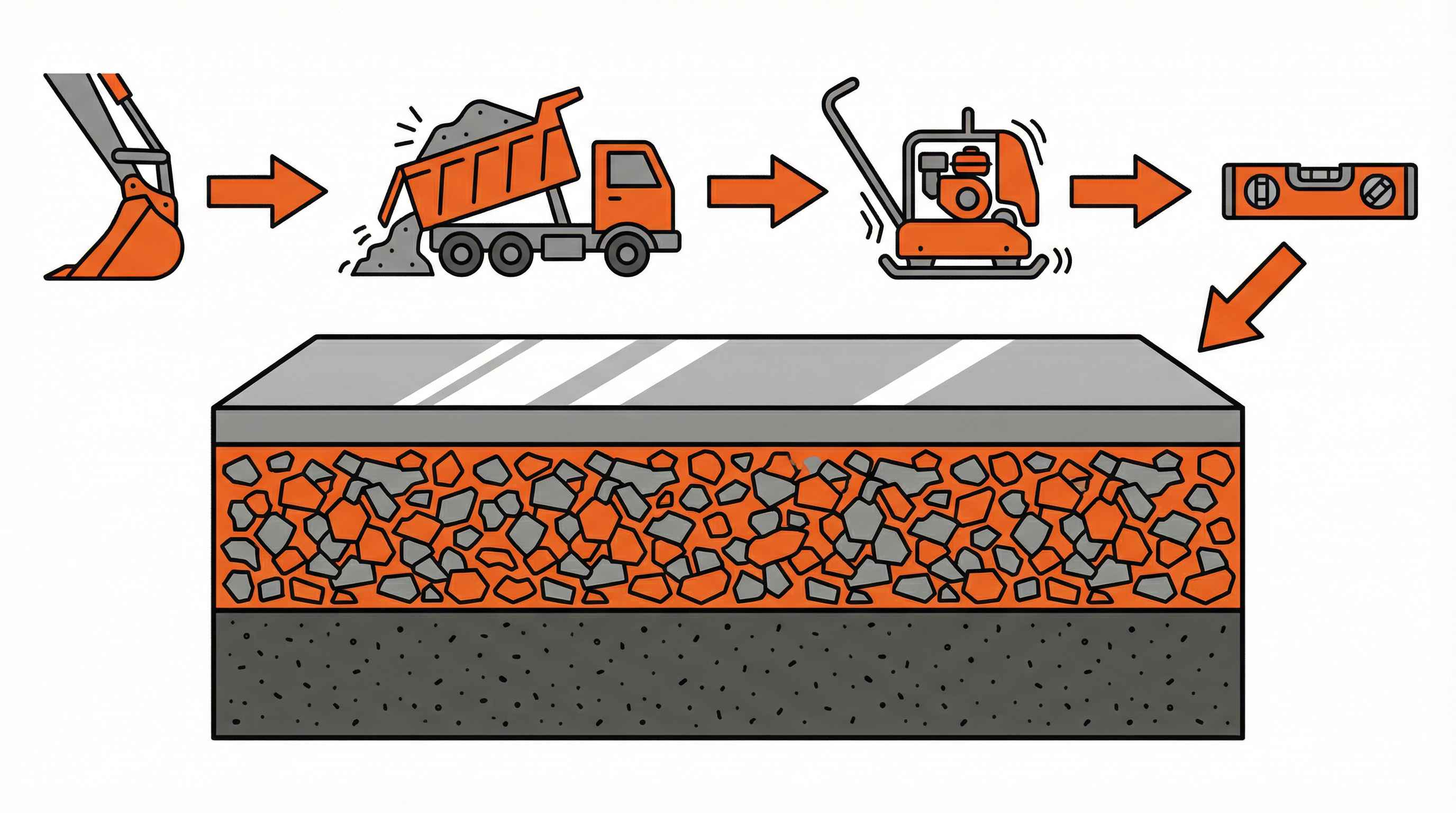
Site Preparation begins with removing all organic material, debris, and unsuitable soil to the required depth. The subgrade should be graded to proper slope for drainage and compacted to provide a stable foundation. Poor preparation here will cause problems regardless of material quality.
Material Placement should happen in lifts no thicker than 8 inches before compaction. Spread the road base evenly using appropriate equipment, maintaining consistent thickness across the entire area. Avoid working in wet conditions that prevent proper compaction.
Professional Tip: Proper compaction requires moisture content between 6-8% for most road base materials. Too dry and particles won’t bind; too wet and you’ll create a unstable, spongy surface.
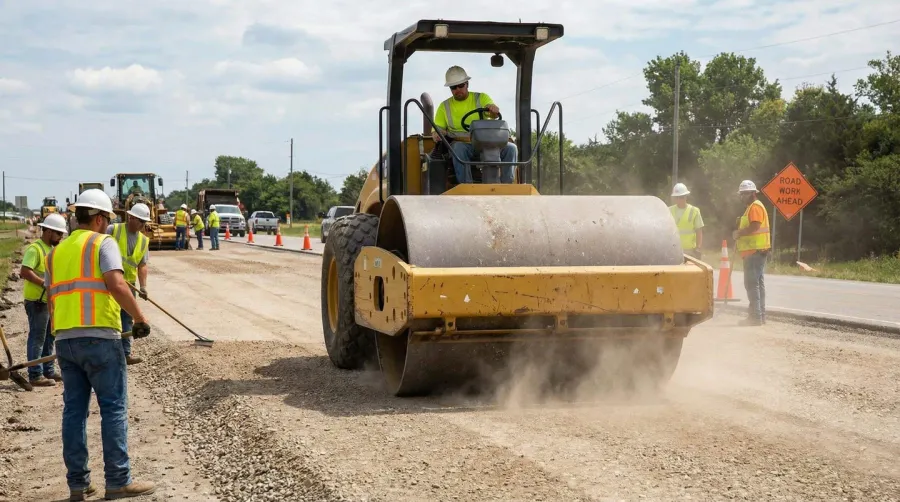
Compaction Process represents the most critical step in installation. Use a vibratory roller or plate compactor, making multiple passes until the material no longer shows visible movement. Test compaction by walking on the surface – properly compacted road base should feel solid with minimal give. For more details on the best gravel for compacting, explore different material options.
Ongoing Maintenance keeps your road base performing well for decades. Address drainage issues immediately, as standing water weakens even the best materials. Periodic grading and re-compaction of high-traffic areas prevents rutting and maintains surface integrity.
Regular inspection helps catch small problems before they become expensive repairs. Look for signs of erosion, settling, or surface cracking that indicate underlying base issues requiring attention.
Road base material forms the invisible foundation that makes the difference between a driveway that lasts decades and one that requires constant repair. By understanding the different types available, choosing appropriate materials for your specific conditions, and following proper installation practices, you create a foundation that supports your investment for years to come. Whether you’re tackling a DIY project or working with contractors, this knowledge helps ensure your road base performs exactly as intended. For comprehensive information on different types of gravel for construction, explore the various options available for your next project.
FAQ
What is the difference between road base and regular gravel?
Road base is a carefully engineered mixture of crushed stone, gravel, and fine particles designed to create maximum compaction and stability. Unlike regular gravel, road base contains “fines” – small particles that fill gaps between larger stones to create a dense, interlocked surface. Regular gravel typically lacks this precise gradation and doesn’t provide the same load-bearing capacity or resistance to movement that road base offers for construction applications.
How thick should road base be for a residential driveway?
For residential driveways with light traffic, 4-6 inches of compacted road base is typically sufficient. However, the exact thickness depends on your soil conditions and expected vehicle loads. Clay soils that retain water may require a thicker base layer, while areas expecting heavier vehicles like delivery trucks should use 6-8 inches. Remember that inadequate base thickness is one of the leading causes of premature pavement failure, so it’s better to err on the side of caution.
Can I use crushed concrete instead of traditional road base?
Yes, crushed concrete is an excellent alternative to traditional road base materials. Made from recycled concrete, it contains the same range of particle sizes as Class 5 road base and provides similar performance while costing 20-30% less. Crushed concrete works particularly well for base layers where appearance isn’t a concern and offers the added benefit of being environmentally friendly. It compacts well and provides good stability for most residential and light commercial applications.
What are the signs that my road base needs maintenance?
Key warning signs include surface cracking in the pavement above, rutting or depressions in high-traffic areas, poor drainage with standing water, and a spongy feel when walking on the surface. Erosion around edges, settling that creates uneven surfaces, and visible separation of the road base material also indicate maintenance needs. Address these issues immediately, as standing water and movement in the base layer will only worsen over time and lead to more expensive repairs.