
Best River Rock Types for Driveways in 2026
Guide handoff
Want help applying this guide to your project?
Share your ZIP and what you need help with. We'll use this guide as context when we follow up.
- 1 This guide gives us the context you were reading.
- 2 Ask about pricing, material choice, delivery timing, or quantity.
- 3 Keep it broad if you are still figuring out the project.
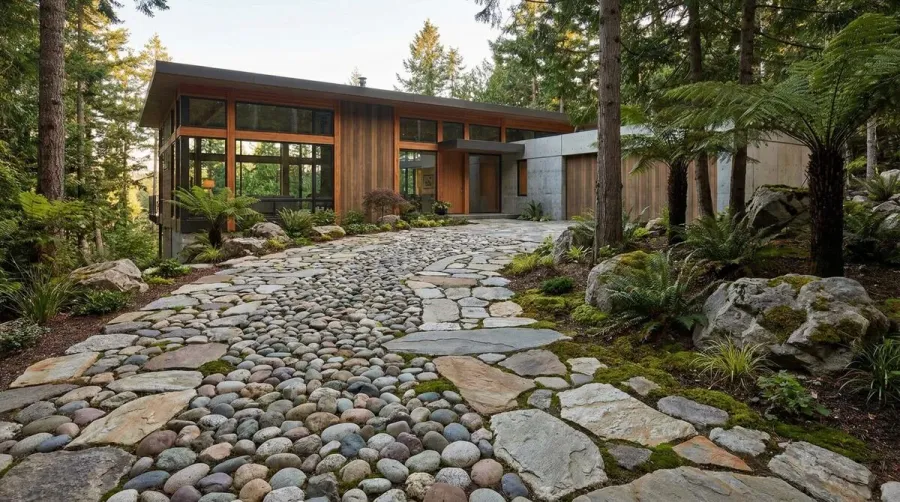
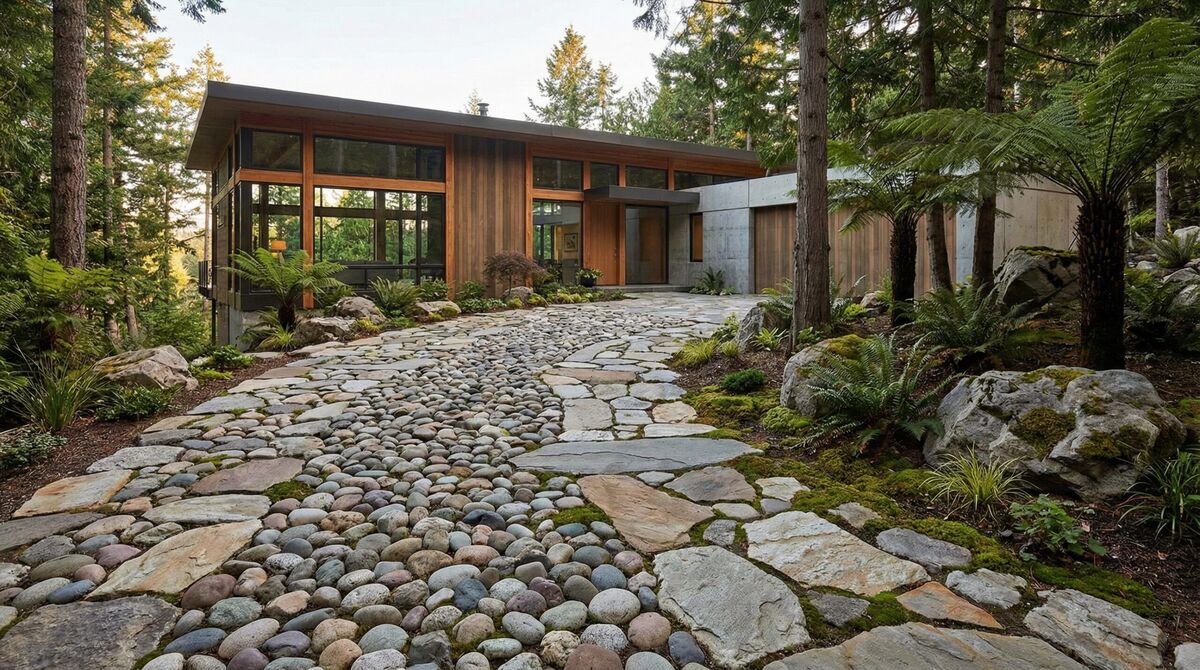
Choosing the right river rock for your driveway can transform your home’s entrance into a stunning focal point. River rock driveways offer excellent drainage, natural beauty, and long-lasting durability when properly installed. The best options include pea gravel for smooth surfaces, decomposed granite for compaction, and larger river stones for heavy-traffic areas.
Pro tip: Most successful river rock driveways use stones between 3/8 inch to 3/4 inch for the perfect balance of stability and comfort.
Whether you want a rustic look or modern appeal, understanding the different types of driveway gravel will help you create a driveway that enhances your property’s value while meeting your practical needs. Let’s explore what makes each type unique and how to choose the perfect match for your project.
Understanding river rock basics
River rock forms naturally through years of water erosion in riverbeds and streams. This process creates the smooth, rounded stones that make river rock so appealing for driveways. Unlike crushed stone with sharp edges, river rock provides a softer appearance that blends beautifully with natural landscapes.The smooth texture comes from constant tumbling action in flowing water. Larger rocks break down into smaller pieces, eventually becoming the polished stones we use for driveways. This natural formation process gives each stone its unique shape and color variations.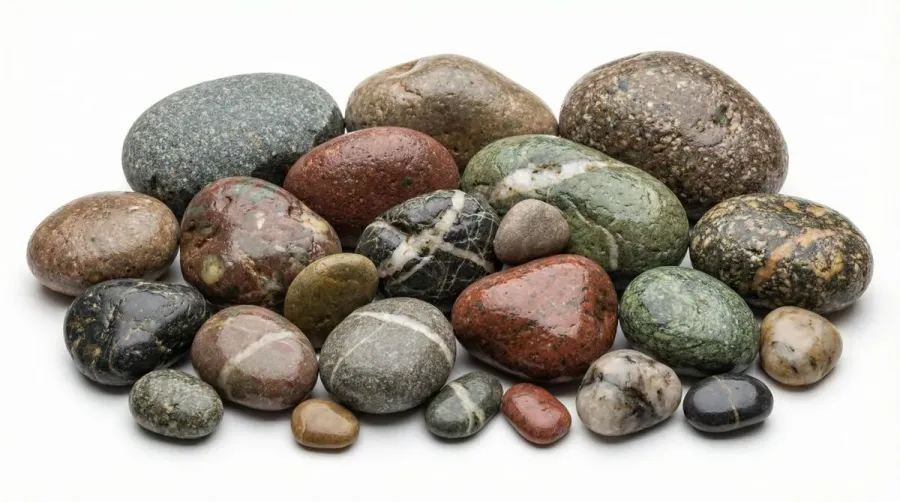
River rock differs from manufactured gravel because it maintains its natural characteristics. You’ll find colors ranging from gray and brown to tan, red, and blue, depending on the original rock composition and mineral content in the water source.
Popular river rock types for driveways
Pea gravel stands out as the most popular choice for residential driveways. These small, rounded stones measure about 3/8 inch in diameter and create a smooth walking surface. Pea gravel compacts well and provides excellent drainage, making it ideal for areas with moderate traffic. To determine what is the best pea gravel size for a driveway, consider your specific traffic needs and aesthetic preferences.
Decomposed granite offers superior compaction properties. This weathered granite material contains fine particles that bind together when moistened and compacted. You’ll get a more solid surface that handles heavier vehicles while maintaining the natural stone appearance.
3/4-inch river rock works best for high-traffic driveways. These larger stones provide better stability under vehicle weight and resist shifting during heavy use. The increased size also makes snow removal easier in winter climates.
Consider this: Smaller stones like pea gravel may scatter more easily but feel more comfortable underfoot, while larger stones stay in place better but can be harder to walk on.
Each type brings different benefits to your driveway project. Pea gravel suits decorative applications, decomposed granite handles everyday use well, and larger stones excel in demanding conditions.
Key factors when choosing river rock
Size matters significantly for driveway performance. Stones between 1/4 inch and 3/4 inch work best for most residential applications. Smaller stones compact better but may scatter, while larger stones stay put but can feel uncomfortable to walk on. For a comprehensive understanding of sizing options, check out our ultimate driveway gravel size chart.Color selection should complement your home’s exterior and existing landscape. Lighter colors like tan and gray reflect heat and stay cooler in summer. Darker stones absorb more heat but may fade less noticeably over time. If you’re interested in exploring colored driveway gravel options, you’ll find many attractive choices available.Traffic expectations influence your choice dramatically. Light foot traffic allows for smaller, decorative stones. Regular vehicle use requires medium-sized stones for stability. Heavy trucks or frequent deliveries need larger stones that won’t shift under weight.
Consider your local climate too. Areas with freeze-thaw cycles benefit from stones that drain well and don’t trap water. Regions with heavy rainfall need excellent drainage properties to prevent washout.
Installation and maintenance essentials
Proper preparation determines your driveway’s long-term success. Remove existing vegetation and debris, then level the ground carefully. Install landscape fabric to prevent weeds and add a base layer of crushed stone for stability. Understanding the best driveway base material is crucial for creating a stable foundation that will support your river rock surface for years to come.
Laying technique affects both appearance and performance. Spread river rock evenly to a depth of 2-3 inches for driveways. Use a rake to distribute stones uniformly, then compact lightly to settle the surface without crushing the stones.
Regular maintenance keeps your river rock driveway looking great. Rake the surface periodically to redistribute stones and remove debris. Add fresh rock annually in high-traffic areas where stones may scatter or settle. For detailed maintenance advice, learn how to restore a gravel driveway to keep it in optimal condition.
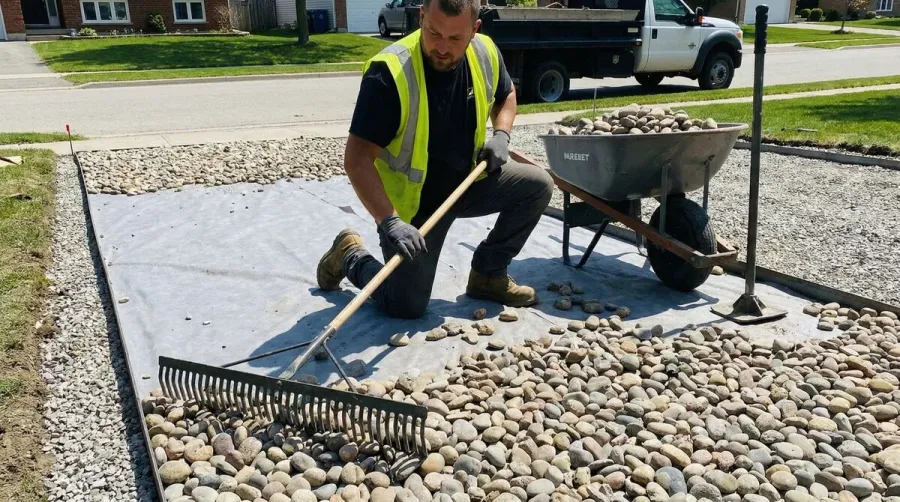
Drainage considerations prevent common problems. Ensure proper slope away from buildings and install edge restraints to contain the stones. Good drainage extends your driveway’s life and reduces maintenance needs.
Monitor for low spots or areas where stones have migrated. Address these issues promptly by adding material and re-leveling to maintain an even, attractive surface. If you’re dealing with loose stones, discover how to secure loose driveway gravel effectively.
Selecting the right river rock type transforms your driveway into both a functional surface and attractive landscape feature. Consider your specific needs for traffic, drainage, and appearance when making your choice. With proper installation and minimal maintenance, a river rock driveway provides years of natural beauty and reliable performance for your home’s entrance.
FAQ
What size river rock is best for driveways?
The best river rock size for driveways is between 3/8 inch to 3/4 inch, with 3/4-inch stones being ideal for high-traffic areas. This size provides the perfect balance of stability and comfort underfoot. Smaller stones like pea gravel may scatter more easily under vehicle weight, while larger stones stay in place better but can be uncomfortable to walk on.
Is river rock good for driveways compared to crushed stone?
River rock is excellent for driveways in terms of aesthetics, drainage, and natural appeal, but crushed stone offers better stability and compaction. River rock works best for moderate traffic and flat surfaces, while crushed stone with angular edges locks together better for heavy-traffic areas and steep slopes. Many successful driveways use crushed stone as a base layer with river rock on top.
How do you maintain a river rock driveway?
Maintain your river rock driveway by raking the surface periodically to redistribute stones and remove debris. Add fresh rock annually in high-traffic areas where stones may scatter or settle. Monitor for low spots and address them promptly by adding material and re-leveling. Ensure proper drainage by maintaining slope away from buildings and keeping edge restraints intact.
What are the pros and cons of river rock driveways?
Pros of river rock driveways include excellent drainage, natural beauty, long-lasting durability, and the smooth texture that blends well with landscapes. Cons include potential for stones to scatter under heavy traffic, less stability on steep slopes compared to angular gravel, and the need for periodic maintenance to redistribute settled stones. River rock also requires proper base preparation for optimal performance.