
Gravel vs Aggregate Understanding the Key Differences for Your Project
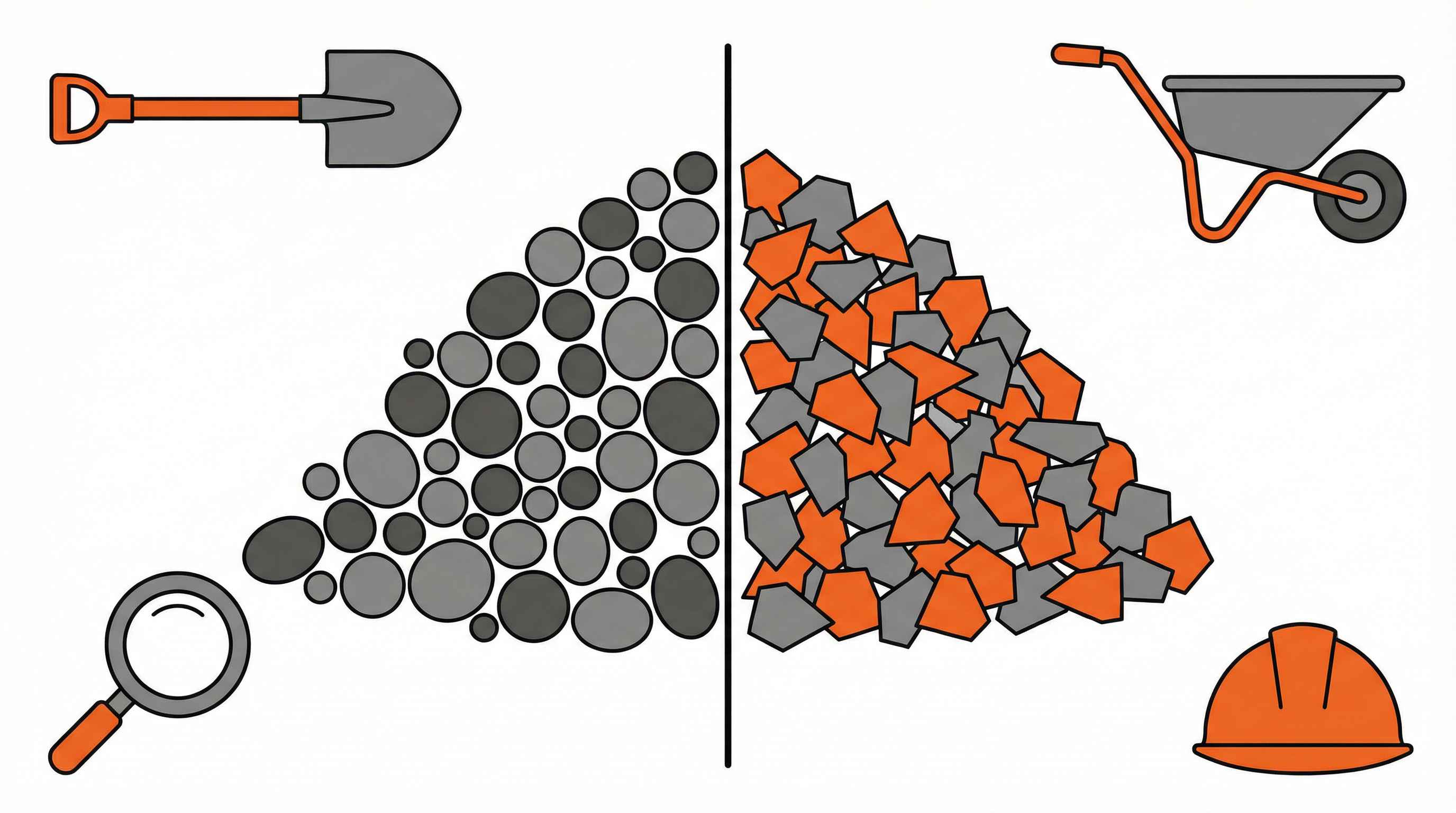
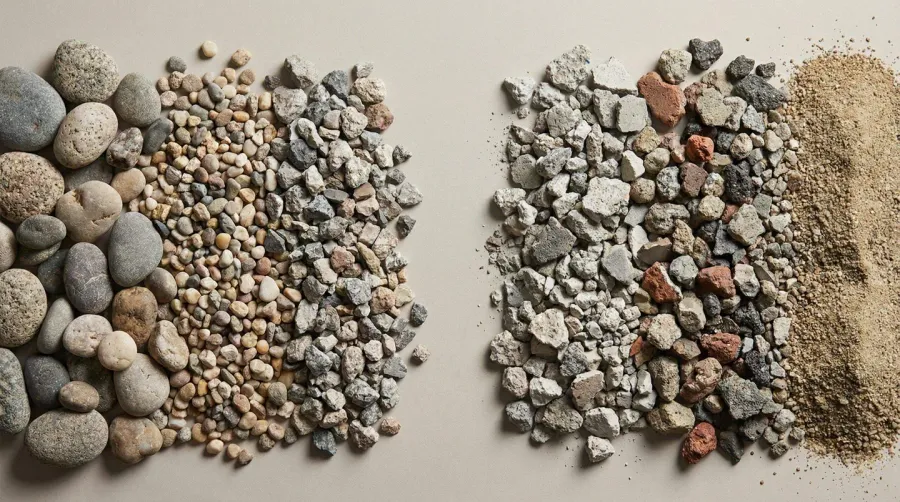
When planning your next construction or landscaping project, you might wonder about the difference between gravel and aggregate. While these terms are often used interchangeably, they represent distinct materials with unique properties and applications. Gravel is a specific type of loose stone ranging from 2mm to 75mm in size, while aggregate is a broader category that includes gravel, sand, crushed stone, and other granular materials used in construction.
Understanding these differences will help you choose the right material for your specific needs, whether you’re building a driveway, creating a garden pathway, or working on a major construction project. Let’s explore what sets these materials apart and how to make the best choice for your situation.
Key Insight: Choosing the wrong material can lead to drainage issues, structural problems, and unnecessary costs. Understanding the distinction between gravel and aggregate ensures your project’s success from the start.
What is gravel and how is it used
Gravel consists of small, loose stones that have been naturally weathered or mechanically crushed from larger rocks. These fragments typically range from 2mm to 75mm in diameter and come in various shapes, from naturally rounded river stones to angular crushed pieces.
You’ll find several types of gravel commonly used in projects. Pea gravel features smooth, rounded stones about 3/8 inch in size, perfect for decorative landscaping and walkways. Crushed gravel, created by mechanically breaking down larger rocks, offers angular edges that lock together well for driveways and pathways. River rock, naturally smoothed by water erosion, provides an attractive option for decorative applications and water features.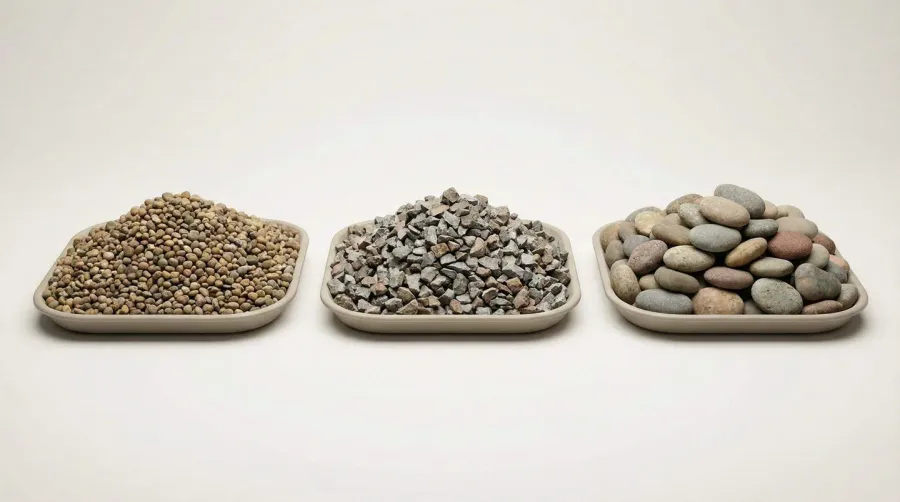
The primary advantage of gravel lies in its excellent drainage properties. The spaces between individual stones allow water to flow through easily, preventing puddles and water accumulation. This makes gravel ideal for areas with heavy rainfall or where proper drainage is essential for preventing water damage.
What is aggregate and its applications
Aggregate serves as a broader category encompassing various granular materials used in construction, including gravel, sand, crushed stone, and recycled materials. According to hellogravel.com, these materials form the foundation of concrete mixtures and provide structural stability in numerous construction applications.
The construction industry classifies aggregates into two main categories. Fine aggregate consists of particles smaller than 4.75mm, primarily sand, used in mortar, plaster, and concrete production. Coarse aggregate includes larger particles ranging from 4.75mm to 75mm, encompassing materials like gravel and crushed stone that provide bulk and strength to concrete mixtures.
Aggregate plays a crucial role in concrete production, where it forms up to 75% of the mixture’s volume. When combined with cement and water, aggregates create a solid matrix that provides strength, durability, and stability to structures. The size, shape, and quality of aggregates significantly impact the final concrete’s performance, affecting everything from workability during construction to long-term structural integrity.
Professional Tip: The quality of aggregate directly influences concrete strength. Higher-grade aggregates with proper gradation and minimal impurities produce stronger, more durable concrete structures.
Key differences between gravel and aggregate
The most significant difference lies in scope and composition. Gravel represents a specific material with defined size parameters, while aggregate encompasses a much broader range of materials and sizes. Think of it like comparing apples to fruit – gravel is the apple, while aggregate is the entire fruit category.
| Feature | Gravel | Aggregate |
|---|---|---|
| Size Range | 2mm to 75mm | Fine sand to large stones |
| Composition | Rock fragments only | Sand, stone, recycled materials |
| Primary Use | Landscaping, drainage | Construction, concrete production |
| Cost | Generally lower | Varies by type and application |
Size and composition create the foundation of these differences. Gravel maintains consistent sizing within its defined range, while aggregate can include everything from fine sand particles to large crushed stones. This versatility makes aggregate suitable for various construction applications requiring different material properties.
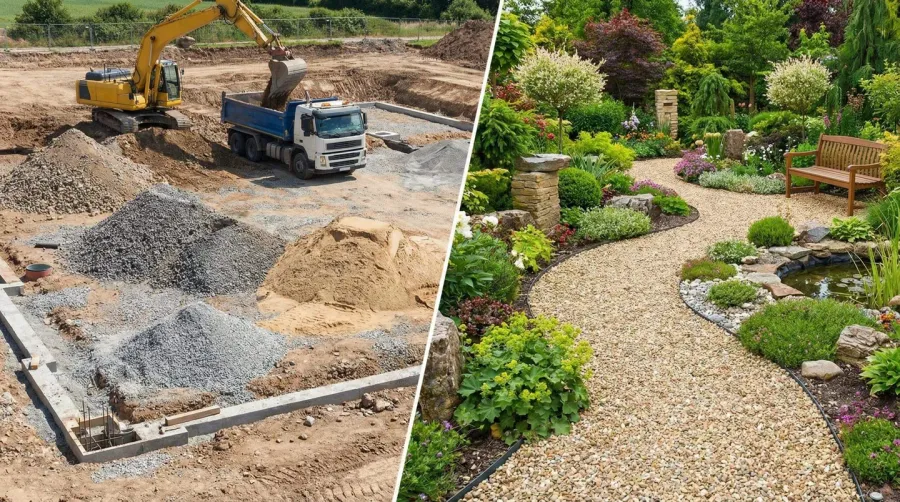
Usage patterns also distinguish these materials. You’ll typically use gravel for landscaping projects, driveways, garden paths, and decorative features where drainage and aesthetics matter most. Aggregate, however, serves primarily in construction applications, particularly concrete production, road base materials, and structural foundations where strength and stability are paramount.
How to choose between gravel and aggregate
Your project’s specific requirements should guide your material selection. For landscaping projects like garden pathways, decorative borders, or drainage solutions, gravel often provides the ideal combination of functionality and visual appeal. Its natural drainage properties and variety of colors and textures make it perfect for residential applications.
Construction projects requiring structural integrity typically demand aggregate materials. If you’re mixing concrete, building foundations, or creating road bases, you’ll need specific aggregate types that meet engineering specifications for strength, gradation, and durability.
Consider practical factors like cost, availability, and long-term maintenance when making your decision. Gravel generally costs less and requires minimal maintenance, making it budget-friendly for homeowners. Aggregate prices vary significantly based on type and specifications, but the investment often pays off through superior structural performance in construction applications.
Budget Consideration: While gravel typically costs less upfront, choosing the wrong material for your application can lead to expensive repairs and replacements. Invest in the right material from the start.
Environmental impact also plays a role in material selection. Locally sourced materials reduce transportation costs and environmental impact, while recycled aggregates offer sustainable alternatives for construction projects. Consider these factors alongside performance requirements when making your final decision.
Understanding the distinction between gravel and aggregate empowers you to make informed decisions for your projects. Whether you’re creating an attractive garden pathway with decorative gravel or building a durable structure with engineered aggregate, choosing the right material ensures optimal performance and longevity. Take time to evaluate your specific needs, consult with suppliers about material specifications, and select the option that best matches your project requirements and budget constraints.
FAQ
What is the main difference between gravel and aggregate?
Gravel is a specific type of loose rock fragments ranging from 2mm to 75mm in size, primarily used for landscaping, drainage, and decorative purposes. Aggregate is a broader category that encompasses various granular materials including gravel, sand, crushed stone, and other materials used in construction. While all gravel is considered aggregate, not all aggregate is gravel.
Can I use gravel instead of aggregate for concrete projects?
While gravel can be used as coarse aggregate in concrete, you cannot use gravel alone for concrete projects. Concrete requires a specific mix of fine aggregate (sand) and coarse aggregate (gravel or crushed stone) along with cement and water. Using only gravel would result in a weak, porous mixture that lacks the necessary binding properties for structural integrity.
Which is more cost-effective for landscaping projects?
Gravel is generally more cost-effective for landscaping projects compared to specialized aggregates. It requires minimal processing, is readily available, and needs little maintenance once installed. For decorative pathways, garden borders, and drainage applications, gravel offers excellent value while providing natural aesthetics and superior water drainage properties.
How do I choose between pea gravel and crushed aggregate for my driveway?
For driveways, crushed aggregate is typically better than pea gravel because its angular edges lock together, providing better stability and load-bearing capacity for vehicles. Pea gravel, with its smooth, rounded stones, tends to shift and move under weight, making it less suitable for high-traffic areas. However, pea gravel works well for decorative borders or low-traffic walkways where drainage is the primary concern.