
Fill Sand Cost Guide – What You'll Pay Per Yard in 2026
Guide handoff
Want help applying this guide to your project?
Share your ZIP and what you need help with. We'll use this guide as context when we follow up.
- 1 This guide gives us the context you were reading.
- 2 Ask about pricing, material choice, delivery timing, or quantity.
- 3 Keep it broad if you are still figuring out the project.
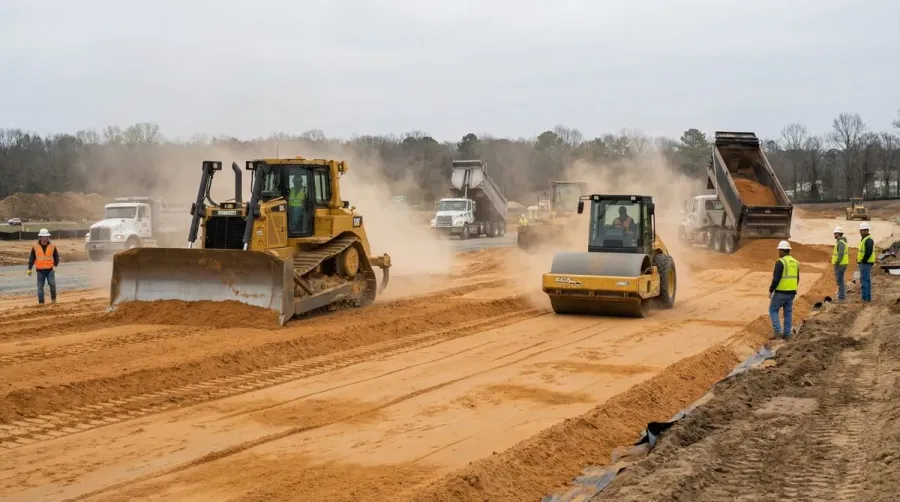
Planning a construction or landscaping project and wondering about fill sand costs? You’re looking at $15 to $40 per cubic yard for quality fill sand, though prices vary based on location, quantity, and delivery distance. This guide breaks down everything you need to know about fill sand pricing so you can budget accurately and avoid costly surprises.
Quick Answer: Fill sand typically costs $15-40 per cubic yard or $30-80 per ton. Your final price depends on sand quality, delivery distance, and order quantity.
Fill sand serves as the backbone of countless construction projects, from foundation work to landscaping. Understanding its cost structure helps you make smart purchasing decisions and keeps your project on budget. Let’s explore what drives these prices and how you can get the best value for your money.
What is fill sand and why does it cost what it does
Fill sand is specially processed sand designed to create stable, level surfaces in construction projects. Unlike topsoil or play sand, fill sand contains minimal organic matter and compacts tightly when properly installed. This makes it perfect for foundations, retaining walls, and leveling uneven ground.
The sand goes through screening to remove large particles, rocks, and debris. This processing ensures consistent texture and reliable compaction properties. Most fill sand comes from quarries, riverbeds, or coastal deposits, with each source affecting the final price.
You’ll find fill sand used in trenching projects, septic system installations, and as base material for patios and driveways. Its ability to drain well while maintaining stability makes it invaluable for both residential and commercial construction work.

Key factors that determine your fill sand costs
Several elements influence how much you’ll pay for fill sand. Understanding these factors helps you estimate costs more accurately and find potential savings.
Sand source and quality play the biggest role in pricing. Quarry sand typically costs more than river sand because extraction requires specialized equipment and permits. Higher-quality sand with consistent particle size and minimal contaminants commands premium prices but offers better performance. To understand the differences between various sand sources, check out our guide on the benefits of river sand and gravel.
Transportation distance significantly impacts your final bill. Local suppliers usually offer better rates than distant sources because delivery costs stay lower. If you’re located far from sand deposits, expect transportation to add $10-20 per cubic yard to your total. Learn more about the cost of sand delivery to better understand these expenses.
Order quantity affects per-unit pricing substantially. Bulk orders often qualify for volume discounts, while small quantities may include minimum delivery fees. Many suppliers offer their best rates for orders exceeding 10 cubic yards.
Money-Saving Tip: Ordering during off-peak construction seasons (late fall through early spring) can reduce costs by 10-15% due to lower demand.
Average fill sand pricing breakdown
Understanding current market rates helps you evaluate supplier quotes and negotiate better deals. Prices fluctuate based on regional supply, demand, and seasonal factors.
Cost per cubic yard ranges from $15-40 nationwide, with most projects falling in the $20-30 range. Urban areas typically see higher prices due to limited local sources and increased transportation costs. Rural regions often enjoy lower rates when sand deposits exist nearby. For a broader perspective on sand pricing, explore our comprehensive guide on how much sand costs.
Cost per ton averages $30-80, with one ton equaling approximately 1.5 cubic yards. This measurement works better for large commercial projects where weight matters more than volume. Suppliers may offer either pricing method, so compare both to find the best deal. Our detailed breakdown of the price of sand by the ton can help you make informed comparisons.
| Measurement | Price Range | Best For |
|---|---|---|
| Per cubic yard | $15-40 | Residential projects |
| Per ton | $30-80 | Commercial work |
| Bulk orders (20+ yards) | 10-20% discount | Large projects |
Regional variations affect pricing significantly. Coastal areas with abundant sand sources often offer competitive rates, while inland regions may pay premium prices for transported materials.
Smart strategies to reduce fill sand expenses
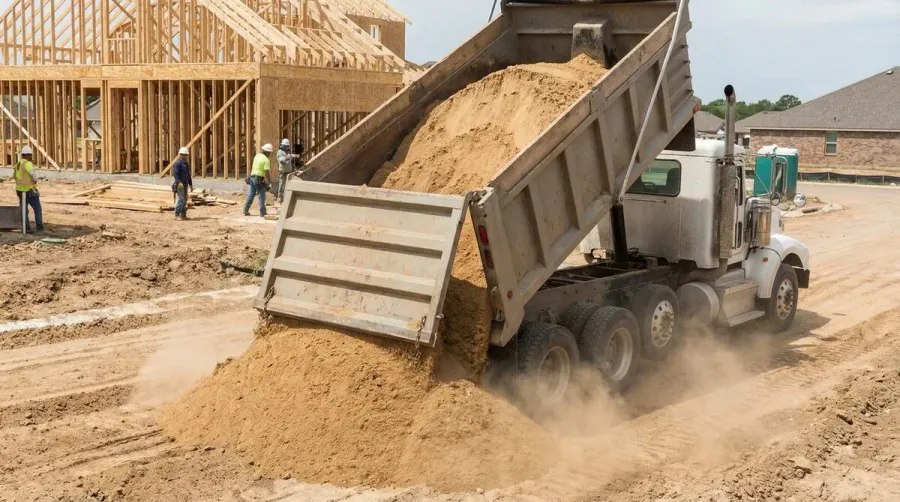
Several proven approaches can help you minimize fill sand costs without compromising project quality. These strategies work for both small residential jobs and larger commercial undertakings.
Buy in bulk whenever possible to unlock volume discounts. If your project needs 15 cubic yards, consider ordering 20 yards if storage space allows. The per-yard savings often offset the extra material cost, and you’ll have sand available for future projects. For guidance on purchasing larger quantities, read our article on ordering bulk sand.
Compare local suppliers against big box retailers carefully. Local suppliers frequently offer competitive pricing and better service, especially for larger orders. They also understand regional soil conditions and can recommend the best sand type for your specific application. Understanding what types of sand are used in construction helps you ask the right questions when comparing suppliers.
Time your purchase strategically by avoiding peak construction seasons when demand drives prices higher. Late fall and winter orders often cost less, though weather may affect delivery scheduling.
Pro Tip: Ask suppliers about “return loads” – trucks delivering to nearby projects that can drop sand at your site for reduced transportation costs.
Consider partial self-pickup for smaller projects if you have appropriate equipment. Some suppliers offer reduced rates when you handle transportation, though this only works for quantities your vehicle can safely carry. Before planning pickup, learn how heavy a yard of sand is to ensure your vehicle can handle the weight.
Ready to start your project with quality fill sand? Hello Gravel provides premium aggregates with convenient delivery across the nation. Our streamlined ordering process eliminates the hassle of calling multiple suppliers for quotes. Simply visit our website to browse products, request pricing, or place your order directly. We handle everything from small residential projects to large commercial developments, delivering right to your site with our white-glove service.
FAQ
What is the average cost of fill sand per yard in 2026?
Fill sand typically costs $15 to $40 per cubic yard, with most projects falling in the $20-30 range. Prices vary based on location, quality, and delivery distance. Urban areas usually see higher prices due to limited local sources and increased transportation costs, while rural regions often enjoy lower rates when sand deposits exist nearby.
How do I calculate how much fill sand I need for my project?
To calculate fill sand needs, multiply length x width x depth (in feet) to get cubic feet, then divide by 27 to convert to cubic yards. For example, a 10×10 foot area at 3 inches deep equals 25 cubic feet, or approximately 1 cubic yard. One cubic yard of fill sand weighs about 1.2 tons at standard density.
What’s the difference between fill sand and other types of sand?
Fill sand is specially processed to remove organic matter and large particles, making it ideal for compaction and structural applications. Unlike play sand or topsoil, fill sand contains minimal contaminants and compacts tightly when properly installed. It’s specifically designed for foundations, retaining walls, and leveling projects where stability is crucial.
How can I save money on fill sand delivery?
You can reduce fill sand costs by ordering in bulk (10+ cubic yards often qualify for 10-20% discounts), timing purchases during off-peak seasons (late fall through early spring), comparing local suppliers against big box retailers, and asking about “return loads” where trucks can deliver to your site at reduced transportation costs.