
Fill Dirt vs Black Dirt Complete Guide to Choosing the Right Soil for Your Project
Guide handoff
Want help applying this guide to your project?
Share your ZIP and what you need help with. We'll use this guide as context when we follow up.
- 1 This guide gives us the context you were reading.
- 2 Ask about pricing, material choice, delivery timing, or quantity.
- 3 Keep it broad if you are still figuring out the project.
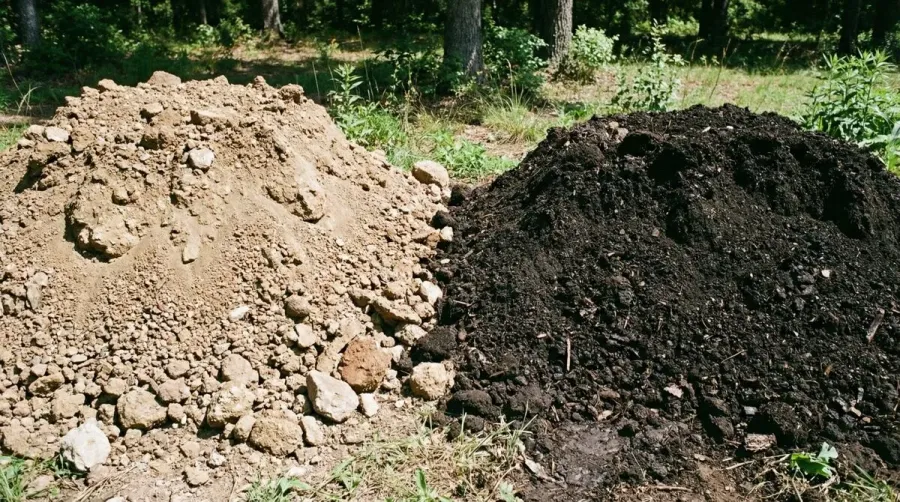
When planning your next landscaping or construction project, understanding the difference between fill dirt and black dirt can save you both time and money. Fill dirt is primarily used for structural purposes like leveling and filling, while black dirt excels in gardening and plant growth applications. This guide breaks down everything you need to know about these two soil types to help you make the right choice for your specific project needs.
Quick Answer: Fill dirt is best for construction and leveling projects due to its stability and low cost, while black dirt is ideal for gardening and landscaping where plant growth is the priority.
What is fill dirt and when should you use it
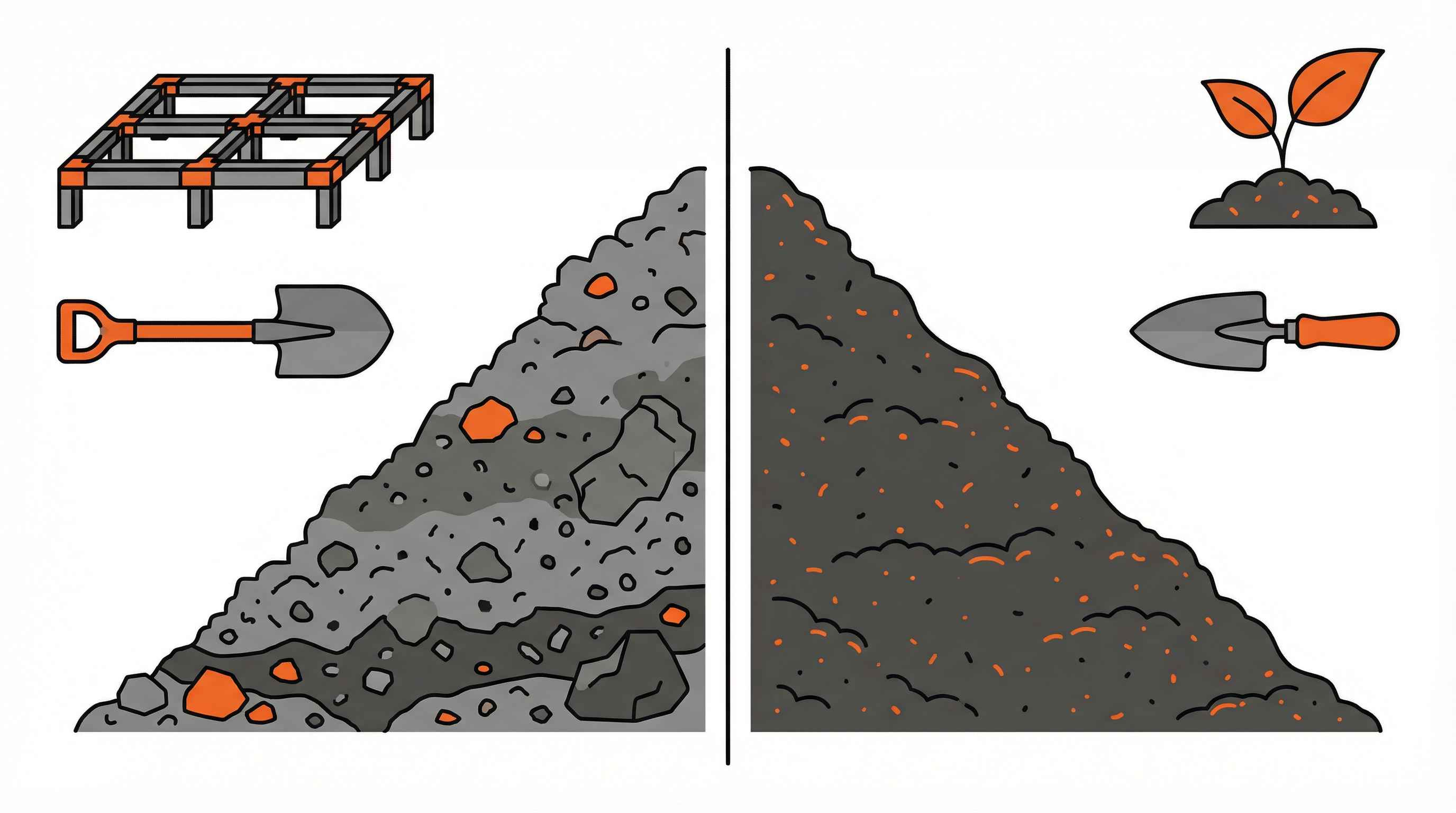
Fill dirt comes from deeper soil layers, typically excavated from at least 6 inches below the surface. This subsoil material contains minimal organic matter, making it incredibly stable over time. You’ll find fill dirt composed mainly of clay, sand, and silt particles that pack down tightly.
The lack of organic content means fill dirt won’t decompose or settle significantly after installation. This stability makes it perfect for creating foundations, leveling uneven terrain, or filling large depressions in your yard. Construction professionals rely on fill dirt because it provides a solid base that won’t shift or compact unexpectedly.
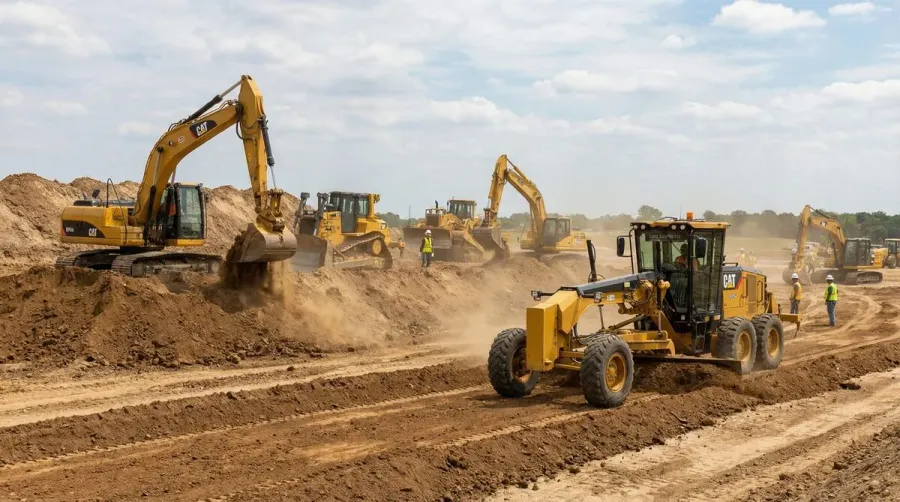
Most fill dirt projects focus on structural needs rather than plant growth. You might use it to raise the grade around your home’s foundation, create a level surface for a patio, or fill in low spots that collect water after rain.
Understanding black dirt and its gardening benefits
Black dirt, often called topsoil or garden soil, represents the nutrient-rich upper layer of earth. This dark-colored soil gets its appearance from high levels of decomposed organic matter, including fallen leaves, plant roots, and other natural materials that have broken down over time.
The organic content in black dirt creates a loose, crumbly texture that allows plant roots to penetrate easily. This soil type naturally retains moisture while still providing adequate drainage, creating ideal conditions for most plants. You’ll also find beneficial microorganisms and earthworms that help maintain soil health.
Black dirt contains essential nutrients like nitrogen, phosphorus, and potassium that plants need for healthy growth. The organic matter acts like a slow-release fertilizer, feeding your plants gradually over the growing season.
Pro Tip: Quality black dirt should have a rich, earthy smell and feel slightly moist and crumbly in your hands, not muddy or completely dry.
Key differences that matter for your project
| Feature | Fill Dirt | Black Dirt |
|---|---|---|
| Organic Matter | Minimal (less than 5%) | High (15-25%) |
| Primary Use | Construction, leveling | Gardening, planting |
| Drainage | Poor to moderate | Excellent |
| Cost per yard | Lower | Higher |
| Stability | Very stable | May settle over time |
The composition differences between these soils determine their best applications. Fill dirt’s mineral-heavy makeup creates density and stability, while black dirt’s organic content promotes plant health but can lead to settling as organic matter decomposes.
Drainage patterns also vary significantly. Fill dirt’s compact nature can create water pooling issues, especially in areas with heavy clay content. Black dirt’s loose structure allows water to move through easily, preventing root rot and other moisture-related plant problems.
Cost considerations often influence project decisions. Fill dirt typically costs 30-50% less than quality black dirt, making it attractive for large-volume projects where plant growth isn’t a concern.
Choosing the right soil for common projects
Your project type should guide your soil selection. For construction and structural work, fill dirt provides the stability you need without the higher cost of premium soil. Foundation work, driveway preparation, and large-scale grading projects all benefit from fill dirt’s compacting ability.
Gardening projects require black dirt’s nutrient content and drainage properties. Flower beds, vegetable gardens, and lawn establishment all perform better with quality topsoil. The investment in better soil pays off through healthier plants and reduced need for fertilizers.
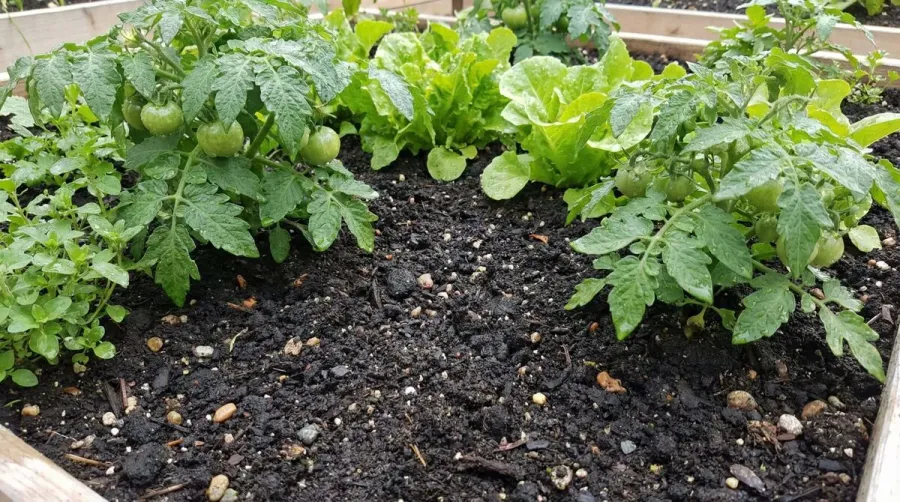
Some projects might use both soil types strategically. You could use fill dirt to establish proper grading and drainage, then add a layer of black dirt on top for planting areas. This approach balances cost control with growing success.
Money-Saving Strategy: For large landscaping projects, use fill dirt for the bulk grading work and reserve black dirt for the top 6-12 inches where plants will actually grow.
Making your final soil decision
Consider your project timeline when choosing between these soils. Fill dirt projects can often proceed immediately after delivery, while black dirt may need time to settle before planting. Weather conditions also affect soil workability, with black dirt becoming muddy more easily than fill dirt during wet periods.
Quality matters regardless of which soil you choose. Reputable suppliers screen their materials to remove debris and ensure consistent composition. When considering where to buy dirt, ask about the source of the soil and whether it has been tested for contaminants, especially if you’re planning to grow food crops.
Budget planning should account for both immediate costs and long-term maintenance. While fill dirt costs less upfront, gardening projects using fill dirt will require ongoing soil amendments and fertilizers. Black dirt’s higher initial cost often balances out through reduced maintenance needs and better plant performance. To estimate your expenses accurately, use a fill dirt cost calculator before starting your project.
The right soil choice depends entirely on your specific project goals. Fill dirt excels at providing stable, cost-effective solutions for construction and grading needs, while black dirt delivers the nutrients and drainage that plants require for healthy growth. Understanding these fundamental differences ensures your project starts with the proper foundation for long-term success.
FAQ
Can I use fill dirt for gardening projects?
Fill dirt is not recommended for gardening because it lacks essential nutrients and organic matter that plants need to thrive. Its dense composition also creates poor drainage, which can lead to root rot. If you must use fill dirt for gardening, you’ll need to heavily amend it with compost and fertilizers, or add a layer of black dirt on top for planting areas.
What makes black dirt different from regular topsoil?
Black dirt typically contains higher levels of organic matter and iron, which gives it its characteristic dark color. While the terms are often used interchangeably, black dirt usually has more decomposed organic materials and may be pulverized or screened for easier spreading. Both are suitable for gardening, but black dirt often provides superior nutrient content and soil structure.
How much does fill dirt cost compared to black dirt?
Fill dirt typically costs 30-50% less than black dirt per cubic yard. This price difference reflects the processing and quality differences between the two materials. While fill dirt is more economical for large construction and grading projects, the higher cost of black dirt is justified for gardening applications where plant health and growth are priorities.
When should I use both fill dirt and black dirt in the same project?
Using both soil types strategically can save money while achieving optimal results. Use fill dirt for the bulk grading work, foundation building, and establishing proper drainage slopes. Then apply 6-12 inches of black dirt on top in areas where you plan to plant. This approach provides structural stability at a lower cost while ensuring plants have the nutrient-rich soil they need to flourish.