
Crushed Concrete vs Flex Base Which Base Material is Right for Your Project
Guide handoff
Want help applying this guide to your project?
Share your ZIP and what you need help with. We'll use this guide as context when we follow up.
- 1 This guide gives us the context you were reading.
- 2 Ask about pricing, material choice, delivery timing, or quantity.
- 3 Keep it broad if you are still figuring out the project.
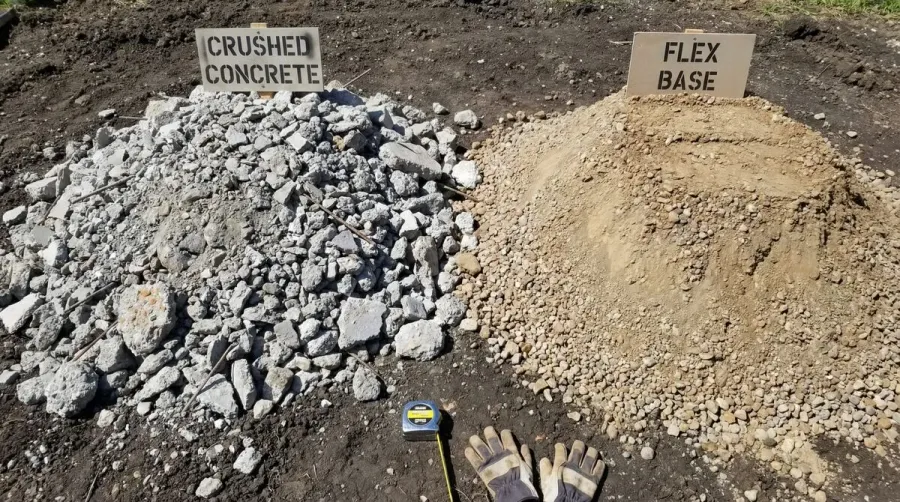
Choosing between crushed concrete and flex base for your driveway or construction project can feel overwhelming. Both materials serve as excellent base options, but they each have distinct advantages depending on your specific needs and budget.
Quick answer: Crushed concrete works best for budget-conscious projects and light to moderate traffic, offering excellent drainage at 20-30% lower cost than traditional materials. Flex base excels in heavy-duty applications and areas with unstable soil conditions, providing superior adaptability and load-bearing strength.
Key insight: The right choice depends on three main factors – your budget, expected traffic load, and ground conditions. Understanding these differences upfront can save you thousands in repairs and maintenance costs.
This guide breaks down everything you need to know about both materials, from composition and costs to real-world applications, so you can make the best decision for your project.
What is crushed concrete and when should you use it
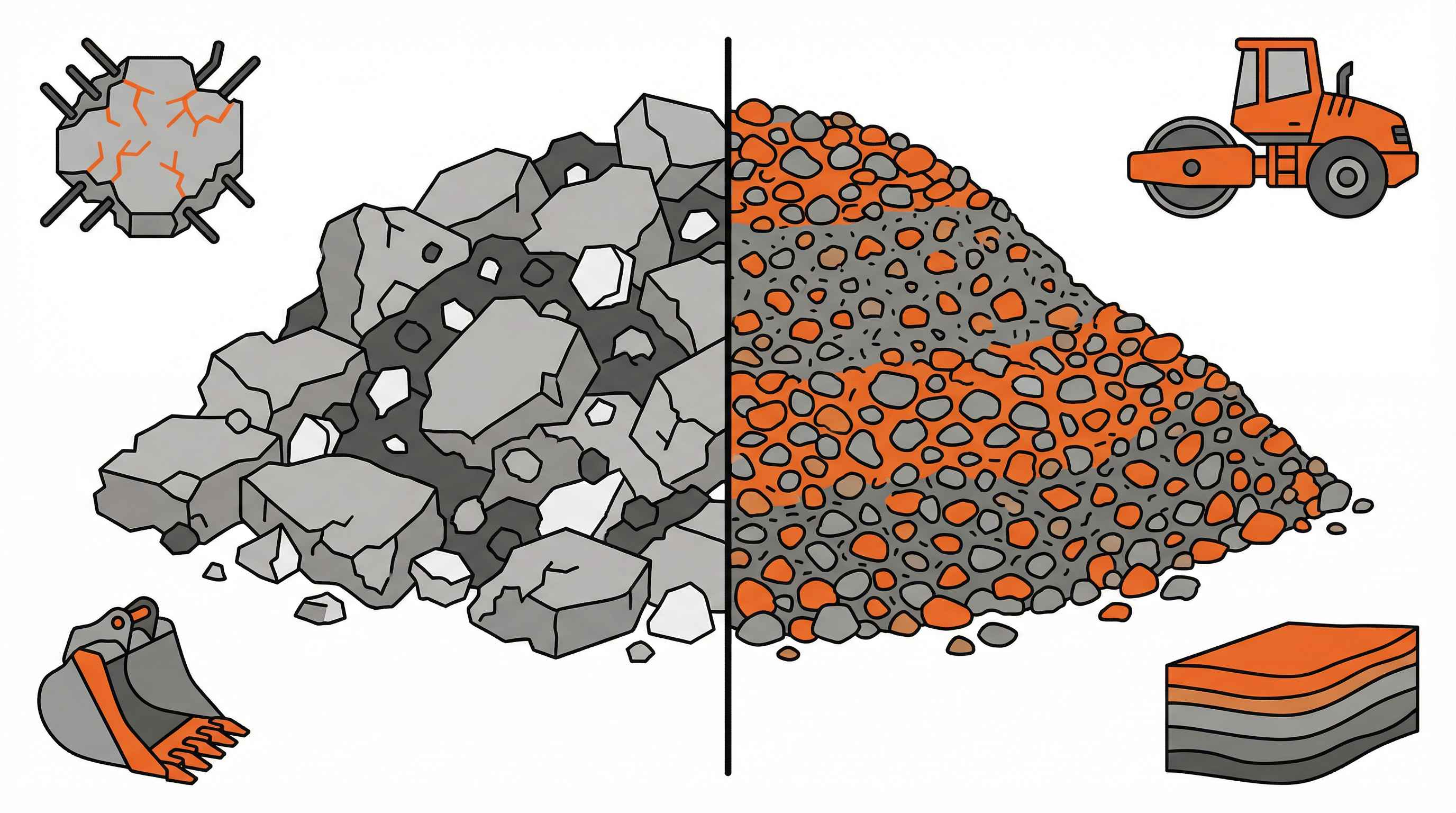
Crushed concrete, also known as recycled concrete aggregate, comes from demolished concrete structures that are processed into various sizes for construction use. The material typically contains cement particles, aggregate stones, and sometimes small amounts of rebar or other materials that are carefully screened out during processing.
You’ll find crushed concrete works exceptionally well for residential driveways, parking areas, and walkways where moderate vehicle traffic is expected. The angular shape of the particles allows for good compaction while creating natural drainage channels that help prevent water pooling and mud formation during wet weather.
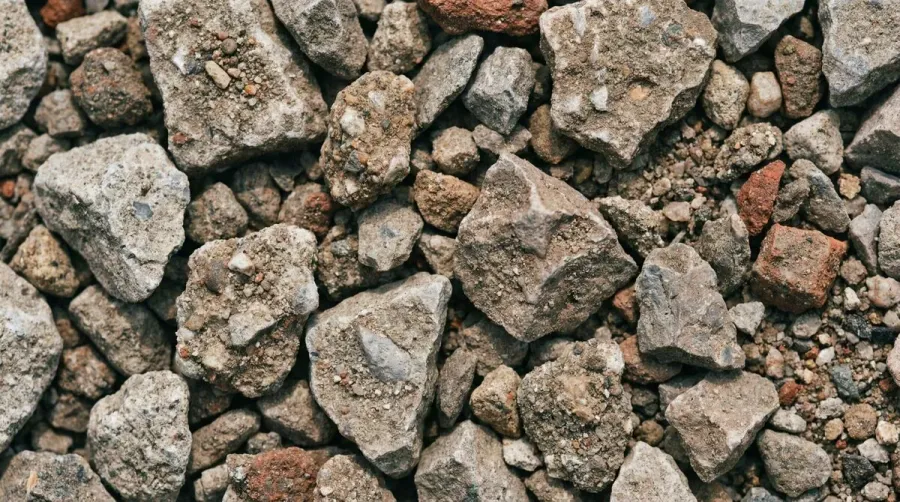
The recycled nature of this material makes it an environmentally responsible choice that diverts waste from landfills. Most suppliers process crushed concrete to remove contaminants, ensuring you get a clean, reliable product for your base applications. The material compacts reasonably well, though it may not achieve the same density as engineered materials like flex base.
Understanding flex base and its engineering advantages
Flex base consists of carefully graded crushed stone mixed with fine particles in specific proportions designed by engineers. This precise blend of larger stones up to 1.5 inches combined with smaller rocks and fine dust creates maximum density and stability when properly compacted.
The engineering behind flex base allows it to flex and adapt to ground movement, making it ideal for areas with unstable soil or frequent freeze-thaw cycles. You’ll want flex base for commercial driveways, private roads with regular truck traffic, and any application where maximum strength and stability are essential priorities.
This material locks together tightly under compaction, creating a solid foundation capable of supporting heavy loads without rutting or degradation. The flexible properties help it maintain integrity even when ground conditions change, which is why it’s commonly specified for professional road construction and high-traffic applications.
Cost comparison and performance differences
Understanding the practical differences between these materials helps you balance cost against performance requirements for your specific project needs.
| Factor | Crushed Concrete | Flex Base |
|---|---|---|
| Cost per ton | $15-25 | $25-40 |
| Load bearing | Good for cars/light trucks | Excellent for heavy traffic |
| Drainage | Excellent natural drainage | Good with proper grading |
| Compaction | Moderate density achievable | Maximum density when compacted |
Crushed concrete shines in residential applications where drainage is important and heavy traffic isn’t expected. The cost savings of 20-30% compared to flex base makes it attractive for budget-conscious homeowners who need a reliable base for typical car traffic and occasional delivery vehicles.
Project tip: For residential driveways with occasional heavy vehicles like RVs or delivery trucks, crushed concrete can still work well with proper thickness of 4-6 inches when compacted.
Flex base excels when you need maximum stability and load-bearing capacity. While the initial cost is higher, the reduced need for maintenance and re-grading often makes it more economical for large projects or areas with demanding conditions.
Choosing the right material for your specific needs
Your project type and expected usage should drive your material selection more than cost alone. Here’s how to match the right material to your specific situation and requirements.
For typical residential driveways with daily car traffic, crushed concrete provides excellent value while offering superior drainage compared to many traditional options. The material handles regular vehicle use well and creates a stable surface that resists rutting under normal conditions.
Choose flex base for driveways that regularly see heavy trucks, RVs, or commercial vehicles. The superior compaction and load-bearing capacity prevent the surface degradation common with lighter materials under heavy loads. You’ll also want flex base for steep driveways where erosion resistance is critical for long-term performance.
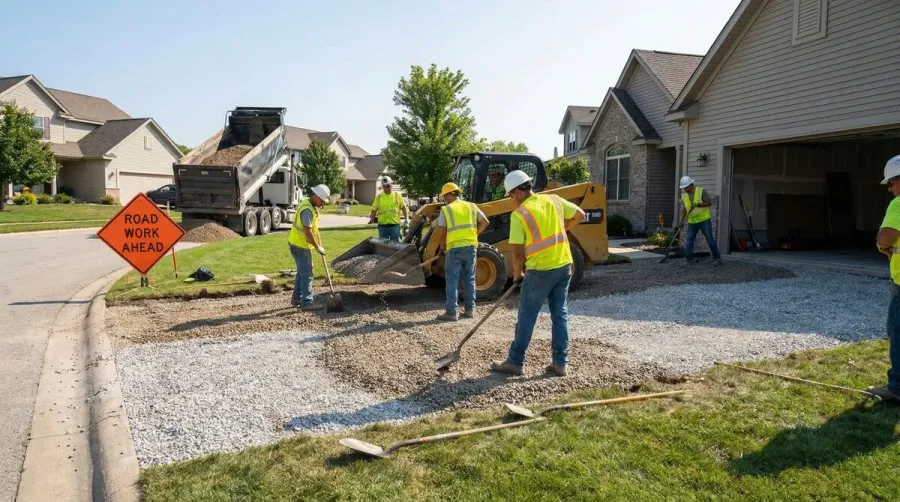
Private roads and long driveways benefit from flex base’s durability and low maintenance requirements. The engineered gradation ensures consistent performance over time, reducing the need for frequent repairs or additional material applications.
Both materials require proper installation with adequate thickness and compaction. Plan for 4-6 inches of compacted material for residential driveways and 6-8 inches for commercial applications. Proper subgrade preparation and moisture control during installation are essential regardless of which material you choose.
Installation insight: Proper compaction is crucial for both materials – rent a plate compactor for small projects or hire professionals for larger installations to ensure optimal performance.
The decision ultimately depends on balancing your budget, traffic requirements, and long-term maintenance preferences. Crushed concrete offers an environmentally responsible choice with good performance for lighter applications, while flex base provides maximum durability for demanding conditions where reliability is paramount.
Understanding these key differences helps you select the material that best fits your project needs, ensuring you get the performance you expect while staying within your budget constraints. If you’re considering other base materials, you might also want to explore comparisons like crushed concrete vs road base, crushed concrete vs crusher run, or crushed concrete vs limestone to make the most informed decision for your specific application.
FAQ
What is the main difference between crushed concrete and flex base?
Crushed concrete is recycled aggregate from demolished concrete structures, offering excellent drainage and cost savings of 20-30% compared to traditional materials. Flex base is an engineered mix of crushed stone and fine particles designed to flex and adapt to ground movement, providing superior load-bearing capacity and stability for heavy-duty applications.
Which material is better for residential driveways?
For typical residential driveways with daily car traffic, crushed concrete provides excellent value with superior drainage and costs $15-25 per ton. Choose flex base ($25-40 per ton) if your driveway regularly sees heavy trucks, RVs, or commercial vehicles, or if you have unstable soil conditions that require maximum stability.
How much thickness is needed for each material?
Both materials require 4-6 inches of compacted thickness for residential driveways and 6-8 inches for commercial applications. Proper subgrade preparation and compaction are essential regardless of which material you choose. Use a plate compactor for small projects or hire professionals for larger installations to ensure optimal performance.
Is crushed concrete environmentally friendly?
Yes, crushed concrete is an environmentally responsible choice that diverts waste from landfills by recycling demolished concrete structures. Most suppliers process crushed concrete to remove contaminants, ensuring you get a clean, reliable product while reducing the demand for virgin aggregate materials and supporting sustainable construction practices.