
Crushed Concrete vs Crusher Run: Which Is Best for Your Driveway Base
Guide handoff
Want help applying this guide to your project?
Share your ZIP and what you need help with. We'll use this guide as context when we follow up.
- 1 This guide gives us the context you were reading.
- 2 Ask about pricing, material choice, delivery timing, or quantity.
- 3 Keep it broad if you are still figuring out the project.
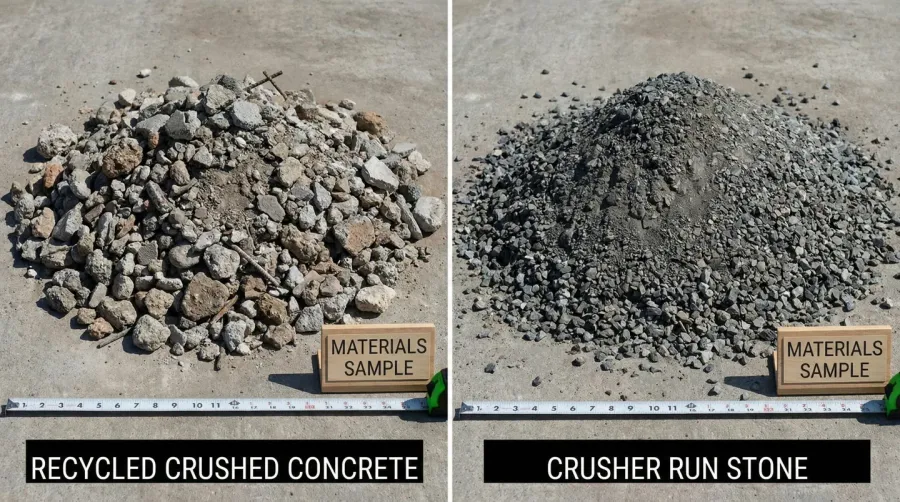
If you’re building or fixing a driveway, parking pad, or road base, choosing the right aggregate material can save you money and prevent future headaches like ruts and drainage problems. Two popular options dominate the market: crushed concrete (recycled concrete aggregate) and crusher run (also called crush and run or ABC stone). Both materials create solid foundations when properly installed, but each has distinct advantages depending on your specific project needs.
Crushed concrete comes from recycled concrete structures, making it an eco-friendly and often cost-effective choice. Crusher run combines stone dust with crushed stone to create an exceptionally strong, compactable base that handles heavy loads well. The key is understanding which material matches your project’s traffic requirements, drainage needs, and budget constraints.
Quick Answer: For light residential driveways prioritizing drainage and eco-friendliness, crushed concrete often wins. For heavy-duty applications requiring maximum strength and smooth surfaces, crusher run typically performs better.
What is crushed concrete and when should you use it
Crushed concrete starts as demolished concrete buildings, sidewalks, or old roadways that get processed through crushing equipment. The recycling process removes rebar, wire mesh, and other contaminants, leaving clean aggregate pieces typically ranging from fine particles to 2-inch chunks. Quality varies significantly between suppliers, so sourcing from reputable companies ensures you get consistent, debris-free material.
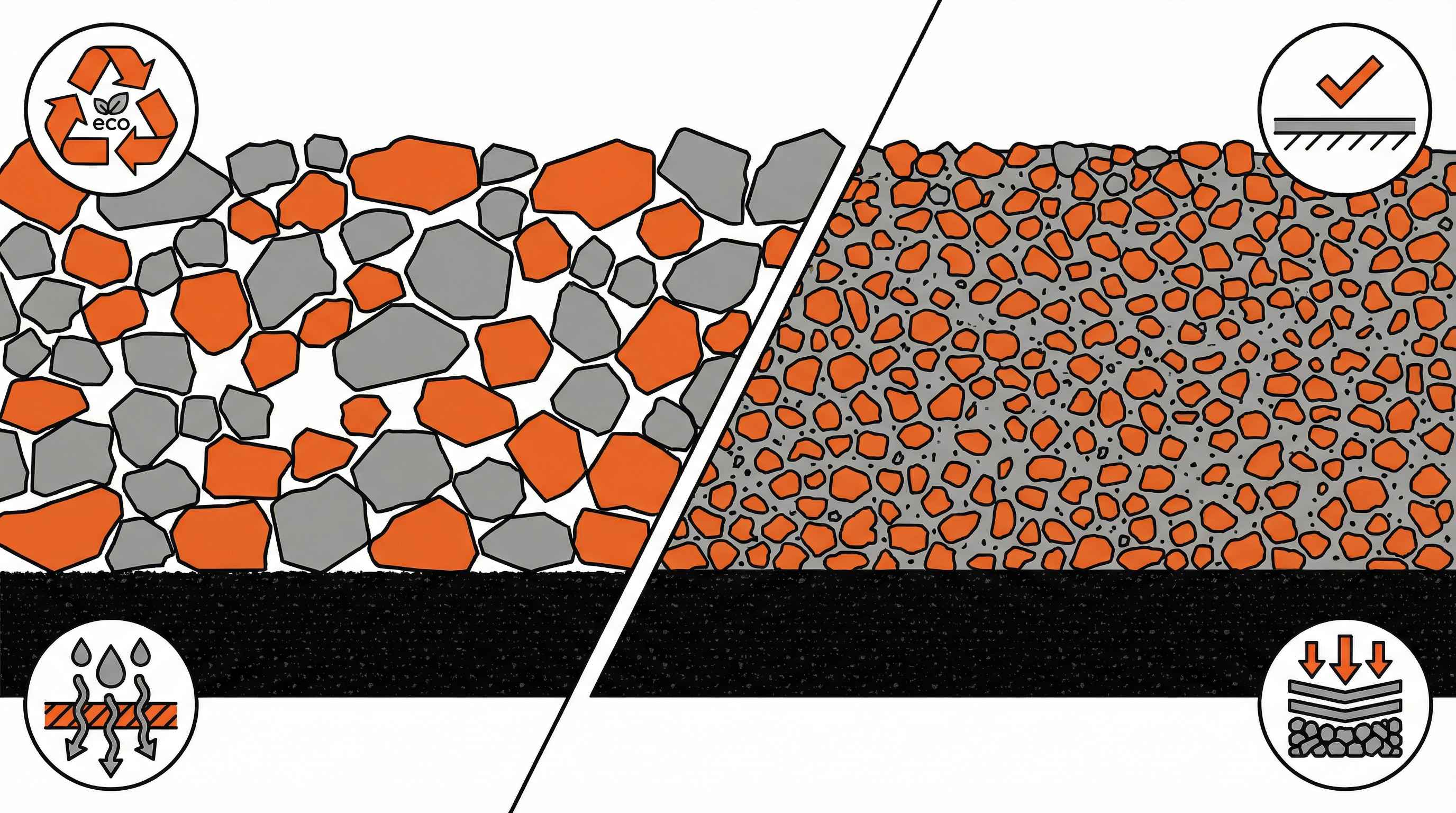
The recycled nature gives crushed concrete excellent drainage properties since the angular pieces don’t compact as tightly as some other materials. This makes it particularly valuable for areas with heavy rainfall or poor soil drainage. Many contractors appreciate that crushed concrete behaves similarly to natural gravel when properly graded, offering familiar installation characteristics.
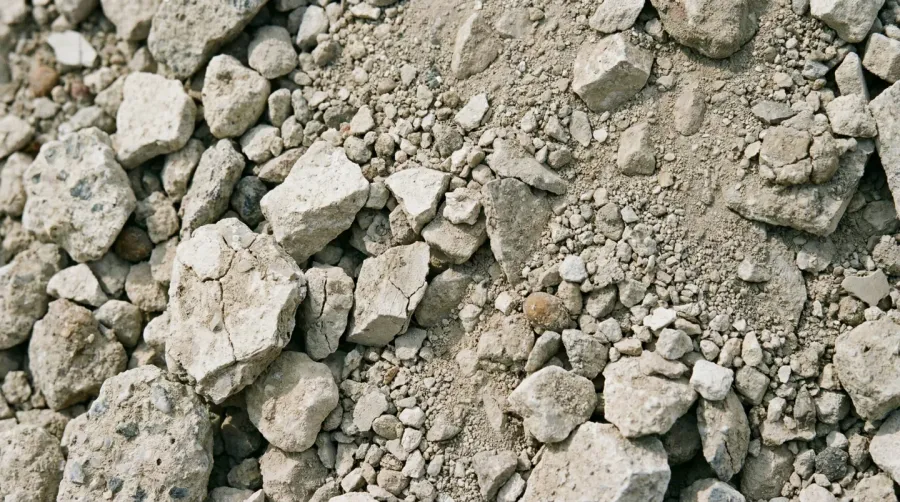
Best applications for crushed concrete include: – Residential driveways with light to moderate traffic – Base layers under concrete slabs or pavers – French drains and erosion control projects – Backfill around foundations and utilities – Rural roads with good drainage requirements
The main limitations involve surface smoothness and potential variability in strength. While crushed concrete creates adequate load-bearing capacity for most residential uses, it may not achieve the ultra-smooth finish some homeowners prefer. Additionally, lower-quality recycled concrete can break down over time if it contains weak aggregate or wasn’t properly processed.
Understanding crusher run for heavy-duty applications
Crusher run, also known as crush and run or ABC stone, combines stone dust (particles smaller than 1/4 inch) with larger crushed stone pieces up to about 3/4 inch. This specific gradation allows the material to lock together tightly when compacted, creating an exceptionally strong and stable base that can support heavy vehicles and constant traffic.
The stone dust acts as a binding agent, filling gaps between larger pieces and creating a nearly impermeable surface when properly compacted. This characteristic makes crusher run ideal for situations where maximum load-bearing capacity matters more than drainage. Many state departments of transportation specify crusher run or similar materials for road base applications because of its proven durability under heavy loads.
Crusher run excels in these scenarios: – Commercial parking lots and loading areas – Heavy truck access roads – Base preparation for asphalt or concrete – High-traffic residential driveways – Areas requiring smooth, firm surfaces
The trade-offs involve cost and environmental impact. Crusher run typically costs more than crushed concrete since it requires mining and processing virgin stone materials. The tight compaction that creates its strength also means water doesn’t drain through as readily, potentially requiring additional drainage planning in wet climates.
Installation Tip: Crusher run achieves optimal strength when installed in 4-inch lifts and compacted with a vibratory roller or plate compactor between each layer.
Comparing performance characteristics side by side
| Feature | Crushed Concrete | Crusher Run |
|---|---|---|
| Load-bearing capacity | Good for residential use | Excellent for heavy loads |
| Drainage performance | Superior water flow | Limited drainage |
| Surface smoothness | Moderate, some texture | Very smooth when compacted |
| Environmental impact | Highly sustainable | Requires quarrying |
| Typical cost | Often 20-30% less | Higher initial investment |
Drainage and water management represent the biggest performance difference between these materials. Crushed concrete’s angular pieces and varied sizes create natural drainage pathways, making it excellent for areas prone to standing water. Crusher run’s tight compaction creates a nearly waterproof surface that sheds water rather than allowing infiltration.
Load-bearing capacity depends heavily on proper installation for both materials. Crushed concrete provides adequate support for passenger vehicles and light trucks when installed over properly prepared subgrade. Crusher run handles heavier loads more consistently and maintains its shape better under repeated stress from large vehicles.
Long-term durability varies with local conditions and traffic patterns. Crusher run typically maintains its surface integrity longer under heavy use, while crushed concrete may require occasional regrading or topping in high-traffic areas. Both materials can last decades with proper installation and reasonable maintenance.
Making the right choice for your specific project
Your decision should start with honestly assessing your project’s requirements across four key factors: expected traffic loads, site drainage conditions, budget constraints, and environmental priorities. Most residential driveways handle passenger cars and occasional delivery trucks, making either material suitable from a strength perspective.
For typical residential driveways, crushed concrete offers excellent value when drainage matters and environmental impact concerns you. It handles normal residential traffic well while costing less and supporting sustainability goals. Choose crusher run when you need the smoothest possible surface or expect regular heavy vehicle access.
Heavy-duty applications like commercial lots or rural roads serving large trucks benefit from crusher run’s superior load-bearing characteristics. The higher initial cost often pays off through reduced maintenance and longer service life under demanding conditions.
Drainage-critical situations clearly favor crushed concrete. If your site has clay soils, poor natural drainage, or frequent heavy rainfall, the superior water flow through crushed concrete can prevent costly drainage problems later. You might even consider using crushed concrete as a drainage base with a thin crusher run cap for the best of both worlds.
Budget Reality Check: While crushed concrete costs less initially, factor in potential maintenance needs. Crusher run’s higher upfront cost may provide better long-term value for high-use applications.
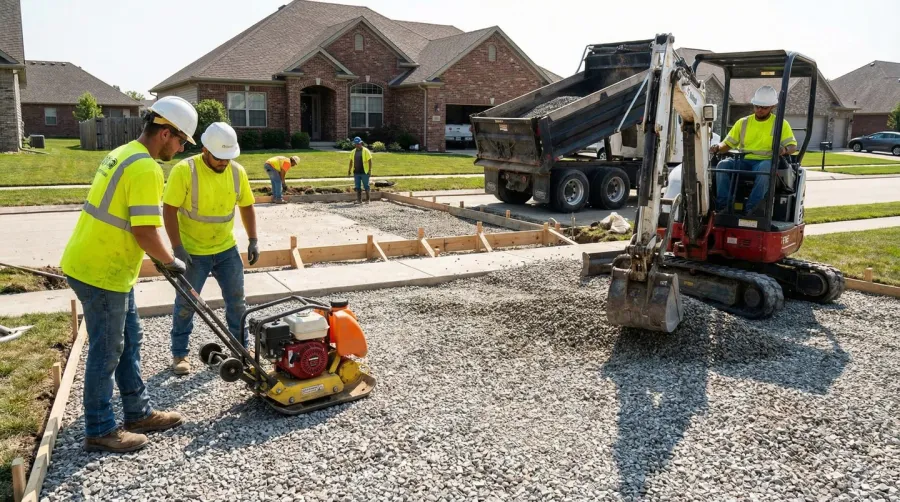
Installation depth typically ranges from 4-6 inches for residential driveways, regardless of material choice. Poor subgrade preparation causes more problems than material selection, so invest in proper excavation and base preparation. Both materials require compaction in lifts no thicker than 4 inches for optimal performance.
Common mistakes include choosing material based solely on price, skipping proper subgrade preparation, and inadequate compaction. Either material can fail if installed incorrectly, while both can provide decades of service when properly installed.
When comparing crushed concrete to other popular base materials, you might also want to explore the differences between crushed concrete and limestone, crushed concrete and 57 stone, or even crushed concrete versus recycled asphalt for your specific application. Understanding the various types of crushed concrete available can also help you make a more informed decision. If budget is a primary concern, learning more about which is cheaper: crushed concrete or gravel can provide valuable cost insights.
Whether you choose crushed concrete for its environmental benefits and drainage properties, or crusher run for maximum strength and smooth surfaces, Hello Gravel provides high-quality materials with convenient delivery across the country. Our team can help you determine the right material and quantity for your specific project, ensuring you get professional results that last for years to come.
Frequently Asked Questions
What is the main difference between crushed concrete and crusher run?
Crushed concrete is recycled concrete aggregate (RCA) made from demolished concrete structures that have been processed and cleaned. Crusher run is a purpose-made blend of crushed stone and stone dust from quarries that compacts into an extremely dense, stable base. The key difference is that crushed concrete comes from recycled materials while crusher run uses virgin stone, which affects their cost, environmental impact, and performance characteristics.
Which is better for a residential driveway: crushed concrete or crusher run?
For most residential driveways, crusher run typically performs better due to its superior compaction and smooth finish, especially if you have regular heavy vehicle traffic or want the most durable surface. However, crushed concrete works well for light residential use and offers significant cost savings plus environmental benefits. Choose crushed concrete if budget and sustainability are priorities, and crusher run if maximum durability and surface quality matter most.
Does crushed concrete drain better than crusher run?
Yes, crushed concrete typically drains better than crusher run. The angular pieces and varied sizes in crushed concrete create natural drainage pathways that allow water to flow through the material. Crusher run’s stone dust fills gaps between larger pieces, creating a nearly impermeable surface that sheds water rather than allowing infiltration. This makes crushed concrete ideal for areas with drainage concerns, while crusher run is better where you want to prevent water penetration.
Is crushed concrete cheaper than crusher run?
Yes, crushed concrete is typically 20-30% less expensive than crusher run because it’s made from recycled materials rather than newly quarried stone. However, pricing varies by region and local availability. While crusher run costs more upfront, it may provide better long-term value for high-traffic applications due to reduced maintenance needs. Contact Hello Gravel for current pricing in your area to compare both materials for your specific project.