
Complete Guide to Limestone Gravel Landscaping Ideas and Installation
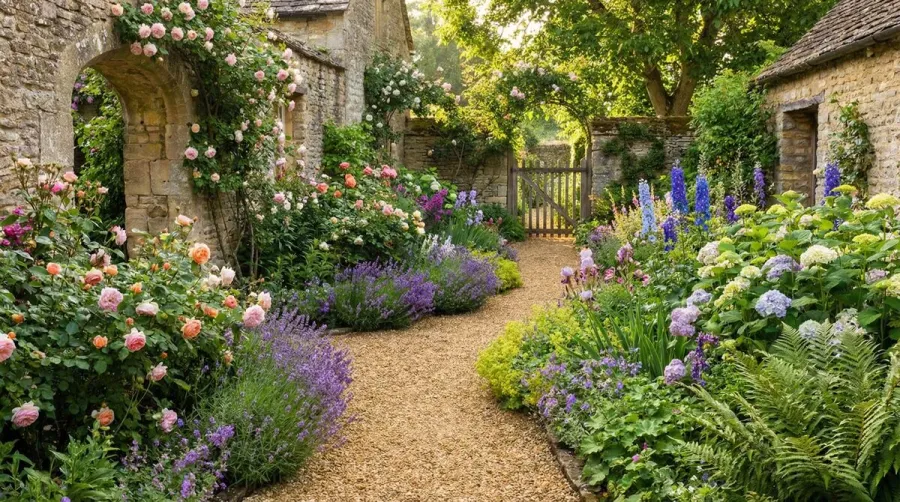
Transform your outdoor space with limestone gravel landscaping that combines natural beauty with practical functionality. Whether you’re planning a new driveway, creating garden pathways, or designing decorative borders, limestone gravel offers an affordable and durable solution that enhances any landscape design.
Limestone gravel provides excellent drainage, requires minimal maintenance, and comes in various sizes to suit different project needs. From crushed limestone for driveways to pea gravel for decorative accents, this versatile material adapts to both functional and aesthetic landscaping goals.
Pro tip: Limestone gravel typically costs between $30-50 per ton and can last decades with proper installation, making it one of the most cost-effective landscaping materials available.
What is limestone gravel and why choose it
Limestone gravel consists of crushed limestone rock that naturally forms over millions of years from compressed marine organisms. This sedimentary stone creates a stable, permeable surface perfect for outdoor applications.
The material comes in colors ranging from light gray and beige to warm brown tones, allowing it to blend seamlessly with most landscape designs. Unlike synthetic materials, limestone gravel maintains its natural appearance while providing superior drainage compared to solid surfaces like concrete or asphalt.
You’ll find limestone gravel particularly valuable because it compacts well under pressure, creating stable surfaces that won’t shift or wash away easily. The stone’s natural porosity allows water to filter through, preventing puddles and reducing erosion around your property.
Types of limestone gravel for different projects
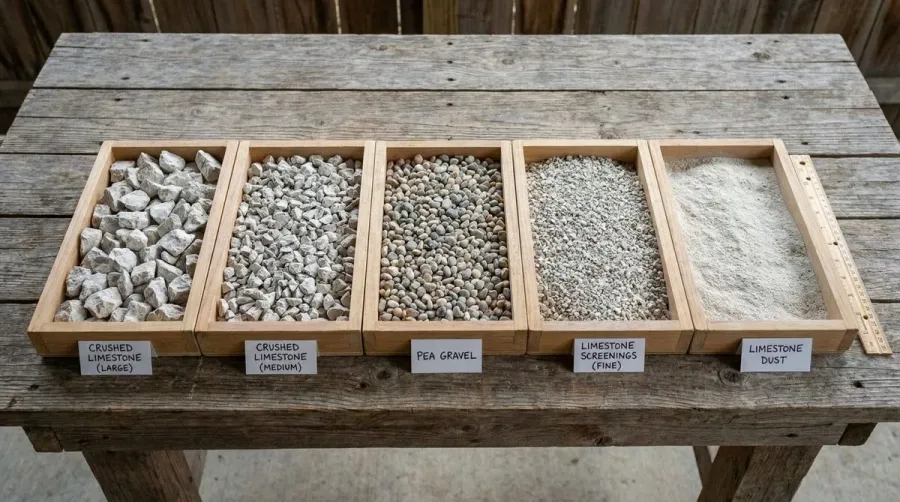
Understanding the various limestone gravel types helps you select the right material for your specific landscaping needs.
Crushed limestone features angular pieces ranging from 3/4 inch to 1.5 inches, making it ideal for driveways and high-traffic areas. The angular shape allows pieces to lock together, creating a stable surface that handles vehicle weight effectively.
Pea gravel limestone consists of small, rounded stones about 3/8 inch in diameter. This smooth texture works perfectly for garden pathways, decorative borders around plants, and areas where you want a softer, more natural appearance. For more details on this specific type, explore our guide to #89 limestone pea gravel.
Limestone screenings are fine particles mixed with small stones, excellent for creating smooth surfaces under pavers or as a base layer for larger gravel installations. This material compacts tightly and provides excellent leveling properties.
| Gravel Type | Size Range | Best Uses | Cost per Ton |
|---|---|---|---|
| Crushed limestone | 3/4″ – 1.5″ | Driveways, parking areas | $35-45 |
| Pea gravel | 3/8″ | Pathways, decorative areas | $40-55 |
| Limestone screenings | Fine to 1/4″ | Base layer, leveling | $30-40 |
Installation steps for limestone gravel landscaping
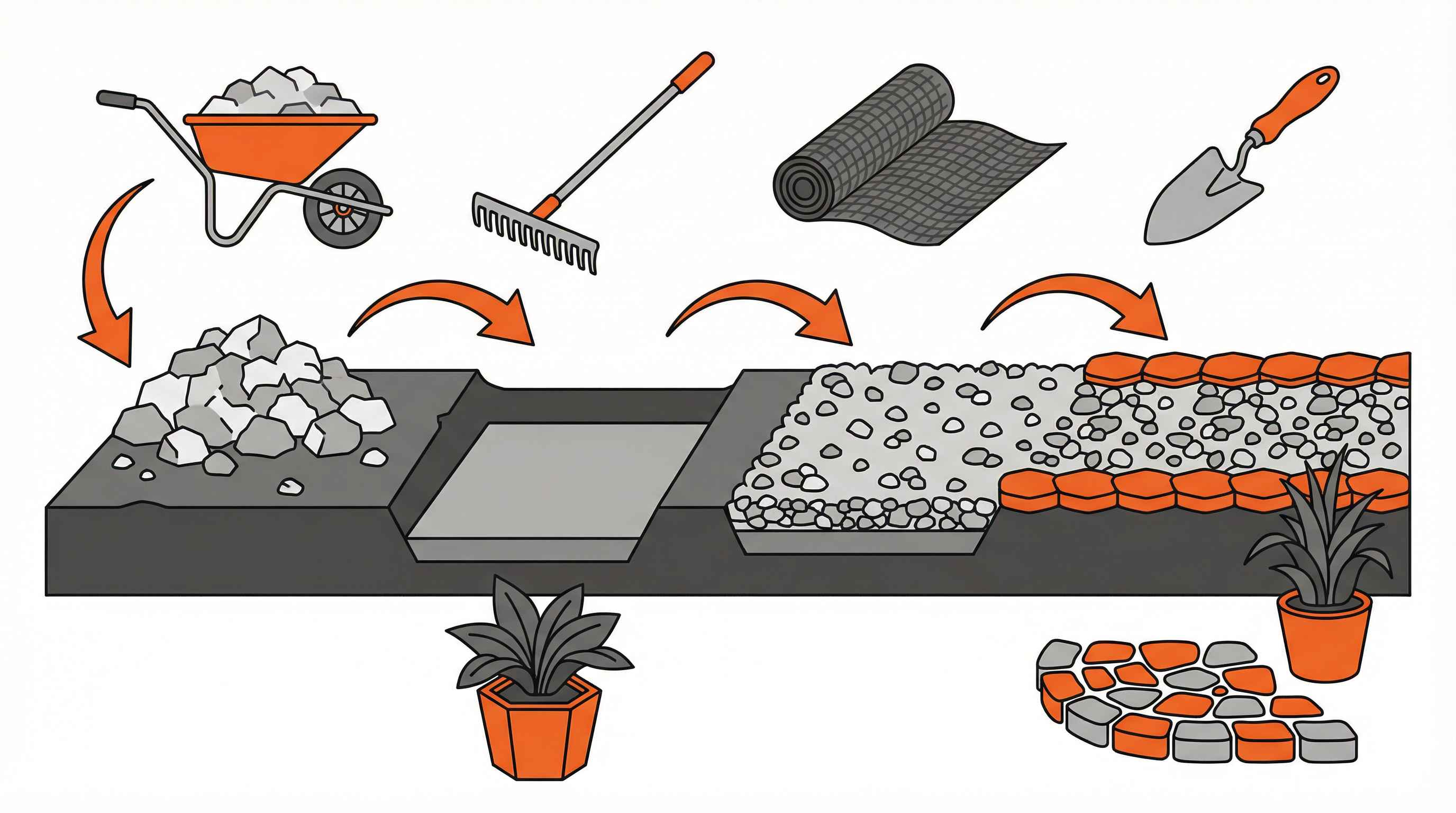
Proper installation ensures your limestone gravel project looks great and lasts for years. Start by marking your project area and removing existing vegetation, rocks, and debris from the space.
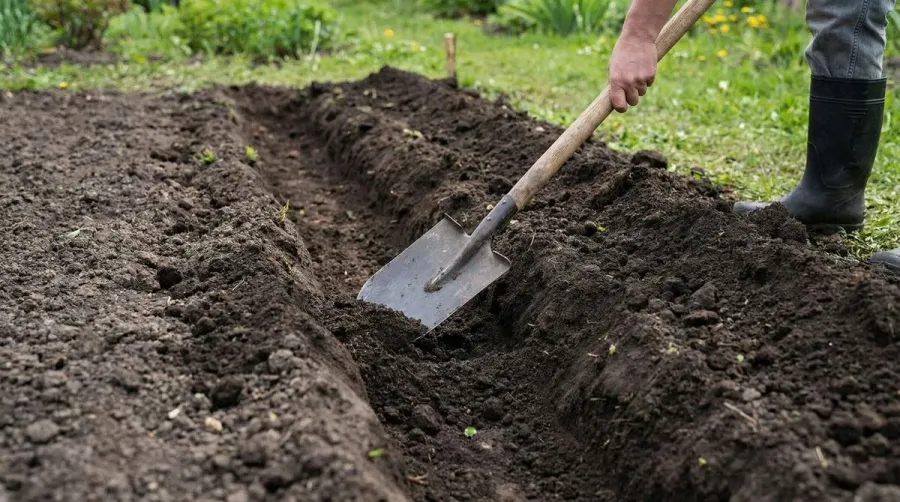
Excavate the area to a depth of 3-4 inches for walkways or 4-6 inches for driveways. Create a slight slope away from buildings to promote proper drainage. Compact the soil using a plate compactor or hand tamper to create a stable foundation.
Install landscape fabric over the prepared soil to prevent weeds while allowing water drainage. This barrier keeps gravel separate from soil underneath, maintaining clean lines and preventing mixing over time. If you’re working on a paver project, learn more about choosing the best limestone type for base for pavers.
Installation tip: Apply limestone gravel in 2-inch layers, compacting each layer lightly before adding the next. This technique creates maximum stability and prevents future settling.
Spread your limestone gravel evenly using a rake, maintaining consistent depth throughout the area. For walkways, aim for 2-3 inches of depth; driveways need 3-4 inches for proper support. To determine the best limestone size for a walkway, consider both foot traffic patterns and aesthetic preferences. Lightly compact the surface with a hand tamper, being careful not to over-compact and damage the stone.
Maintenance and long-term care
Limestone gravel requires minimal maintenance when properly installed, but regular care keeps it looking its best. Remove leaves, debris, and organic matter regularly using a leaf blower or stiff broom to prevent decomposition that can create muddy spots.
Rinse the gravel occasionally with a garden hose to remove dust and dirt buildup. Avoid high-pressure washing, which can displace stones and damage the surface. For stubborn stains, use mild soap and water rather than harsh chemicals.
Inspect your gravel areas seasonally for low spots or areas where stones have migrated. Add fresh limestone gravel as needed to maintain proper depth and coverage. High-traffic areas may require annual touch-ups, while decorative areas often need attention only every few years. For comprehensive pricing information, check out our cost guide for limestone gravel.
Maintenance insight: Hand-pull weeds immediately when they appear rather than using herbicides, which can affect surrounding plants and soil health.
Weed control becomes easier with proper initial installation, but occasional weeds may still emerge. Address them quickly by hand-pulling or spot-treating with organic weed control methods. Maintaining proper gravel depth also helps suppress weed growth naturally.
Limestone gravel landscaping offers an excellent balance of beauty, functionality, and affordability for outdoor projects. With proper planning, installation, and minimal maintenance, your limestone gravel features will enhance your property’s appearance while providing practical benefits for years to come. Whether you choose crushed limestone for a sturdy driveway or pea gravel for charming garden paths, this versatile material adapts to your specific landscaping vision while delivering lasting value. For those interested in exploring alternative materials, consider reading about decomposed granite as a landscaping mulch alternative to compare your options.
FAQ
What size limestone gravel is best for driveways?
For driveways, use crushed limestone ranging from 3/4 inch to 1.5 inches. The angular shape allows pieces to lock together, creating a stable surface that handles vehicle weight effectively. Install at a depth of 3-4 inches for optimal support and durability.
How much does limestone gravel cost per ton?
Limestone gravel typically costs between $30-50 per ton depending on the type. Crushed limestone ranges from $35-45 per ton, pea gravel limestone costs $40-55 per ton, and limestone screenings are the most affordable at $30-40 per ton. This makes it one of the most cost-effective landscaping materials available.
Is limestone gravel good for drainage?
Yes, limestone gravel provides excellent drainage due to its natural porosity. Water filters through the material easily, preventing puddles and reducing erosion around your property. This makes it superior to solid surfaces like concrete or asphalt for managing water runoff.
How do you maintain limestone gravel landscaping?
Limestone gravel requires minimal maintenance. Remove leaves and debris regularly with a leaf blower or stiff broom, rinse occasionally with a garden hose to remove dust buildup, and hand-pull weeds immediately when they appear. Add fresh gravel annually in high-traffic areas to maintain proper depth and coverage.