
Complete Guide to Granite Landscaping Rock for Your Outdoor Space
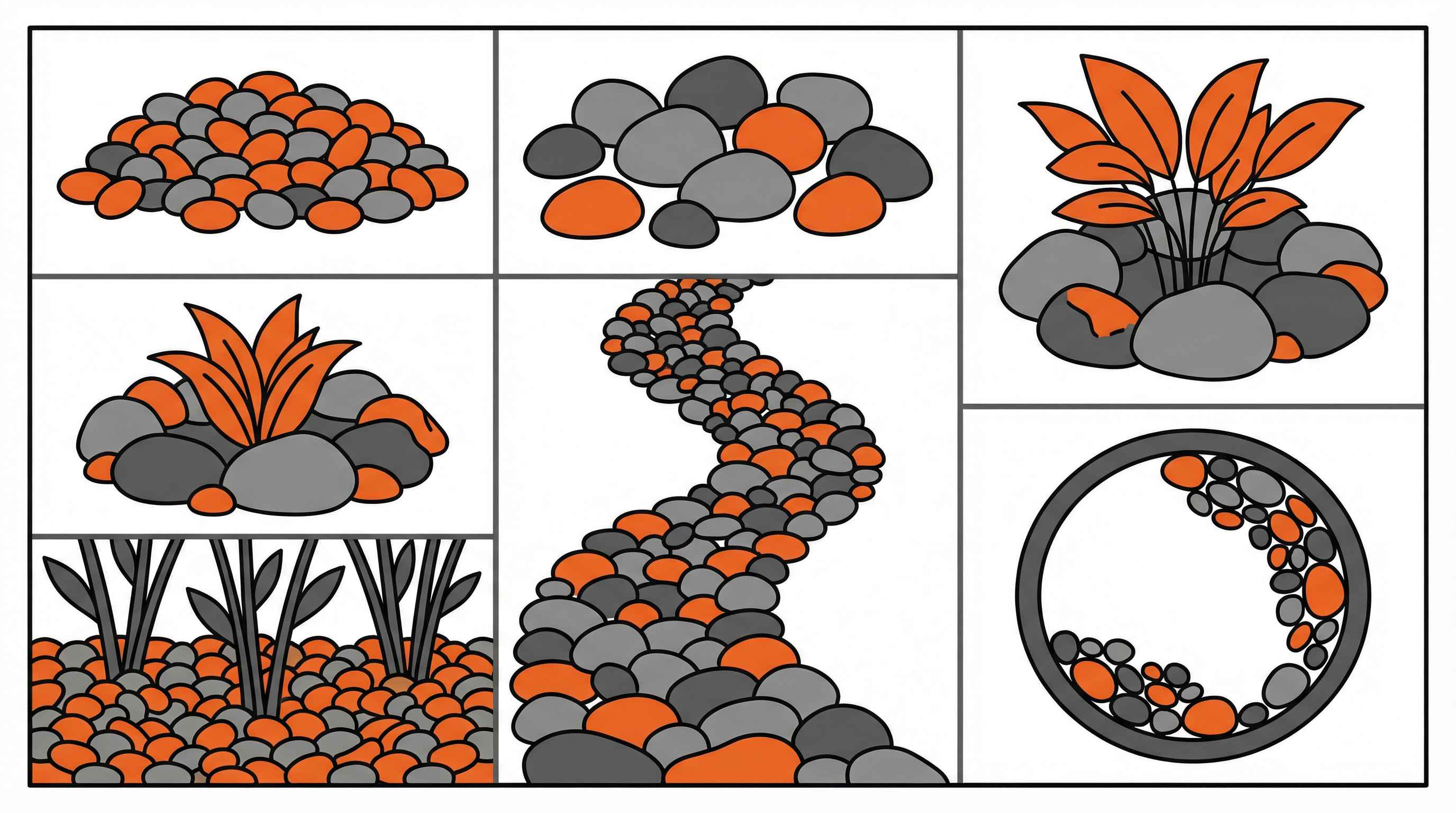
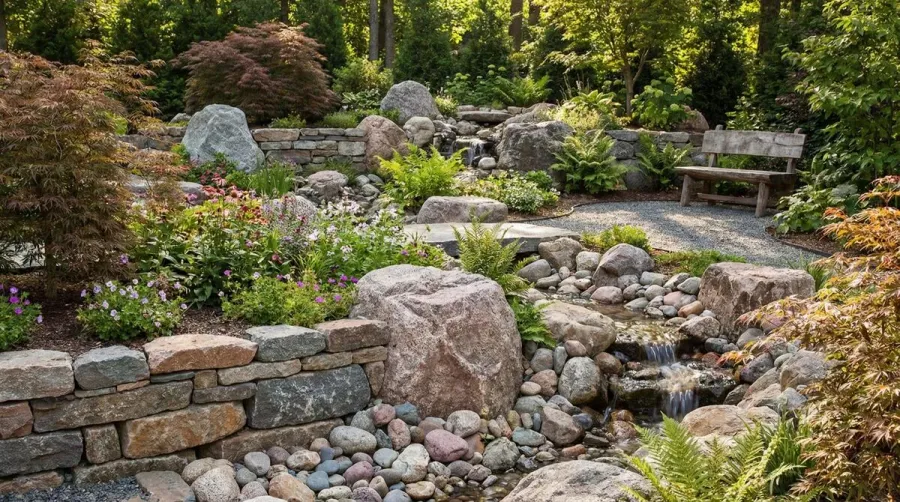
Granite landscaping rock transforms ordinary outdoor spaces into stunning natural havens. This igneous stone, formed deep beneath Earth’s surface, offers unmatched durability and timeless beauty for your landscaping projects. Whether you’re creating garden pathways, decorative borders, or water features, granite provides the perfect combination of strength and aesthetic appeal.
Quick Answer: Granite landscaping rock is a natural igneous stone composed of quartz, feldspar, and mica. It comes in gray, pink, and black varieties, costs $50-150 per ton, and offers superior durability for driveways, pathways, and decorative features.
This guide walks you through everything you need to know about granite landscaping rock. You’ll discover the different types available, learn how to choose the right granite for your project, explore creative design applications, and get practical installation and maintenance tips.
Understanding granite landscaping rock
Granite landscaping rock is a natural igneous stone that forms when magma cools slowly beneath Earth’s surface. This process creates its distinctive speckled appearance and exceptional hardness. The primary minerals – quartz, feldspar, and mica – give granite its unique patterns and colors that make each piece slightly different.
What sets granite apart from other landscaping stones is its incredible durability. Unlike softer stones that weather and crack over time, granite maintains its appearance for decades. This makes it an excellent investment for homeowners who want long-lasting beauty without constant maintenance.
The natural formation process also creates granite’s resistance to extreme weather conditions. From freezing winters to scorching summers, granite handles temperature fluctuations without cracking or deteriorating. This reliability makes it perfect for outdoor applications where other materials might fail.
Types and colors of granite rocks
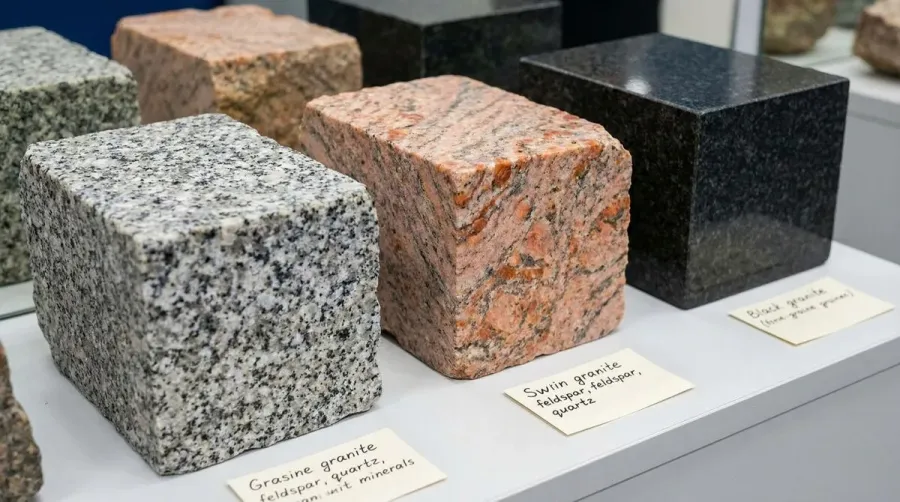
Gray granite offers the most versatile option for landscaping projects. Its neutral tone complements virtually any outdoor color scheme and works well with both traditional and contemporary designs. You’ll often see gray granite used for driveways, walkways, and as accent pieces around water features.
Pink granite brings warmth and character to outdoor spaces. This variety works particularly well in cottage-style gardens and areas where you want to create a welcoming, cozy atmosphere. Pink granite makes excellent focal points and pairs beautifully with green foliage and colorful flowers.
Black granite creates dramatic contrast and sophisticated appeal. This bold choice works best in modern landscapes where clean lines and striking visual impact are priorities. For those seeking an even more unique aesthetic, blue granite rock offers stunning coloration that can elevate contemporary landscape designs. Black granite serves as an excellent backdrop for bright plants and creates stunning water feature bases.
Pro Tip: Consider your existing landscape elements when choosing granite colors. Gray granite offers maximum flexibility, while pink and black varieties work best when they complement your overall design theme.
Choosing the right granite for your project
The size of your granite rocks should match your project’s scale and purpose. Large boulders work well as focal points or for creating natural-looking retaining walls. Medium-sized rocks suit border applications and decorative accents. Small granite chips work best for pathways and ground cover where you need a smooth, walkable surface. Understanding different granite gravel sizes can help you select the perfect material for your specific application.
Consider your landscape’s existing style when selecting granite types. Formal gardens benefit from uniform gray or black granite arranged in geometric patterns. Cottage gardens look best with mixed sizes of pink or gray granite placed more naturally among plants. Modern landscapes often feature large black granite pieces as sculptural elements.Think about maintenance requirements for different granite applications. Larger rocks require minimal upkeep once installed properly. Smaller granite chips may need occasional raking to maintain their appearance, especially in high-traffic areas.
| Granite Type | Best Uses | Size Range | Maintenance Level |
|---|---|---|---|
| Gray Granite | Pathways, borders, driveways | 1/4″ – 12″ | Low |
| Pink Granite | Focal points, cottage gardens | 2″ – 18″ | Low |
| Black Granite | Modern features, water bases | 1″ – 24″ | Very Low |
Installation and design applications
Installing granite landscaping rock starts with proper ground preparation. Clear the area of vegetation and debris, then level the surface to prevent settling issues later. For pathways and driveways, compact the soil and add a base layer of smaller gravel for stability. When comparing foundation materials, you might want to explore crushed limestone versus crushed granite for superior foundation strength to make the best choice for your project.
Place larger granite rocks first to establish your design’s main structure. Work from one end to the other, arranging rocks according to your planned pattern. Fill gaps between larger rocks with smaller granite pieces or complementary gravel to create a finished appearance and prevent shifting.
Different garden areas benefit from specific granite applications. Use granite pavers for patios to create durable, attractive outdoor living spaces. Incorporate granite into water features for natural-looking fountains or pond edges. Create defined garden bed borders with medium-sized granite rocks that provide both function and visual appeal. For smaller decorative applications, granite screenings provide excellent versatility for pathways and between pavers.
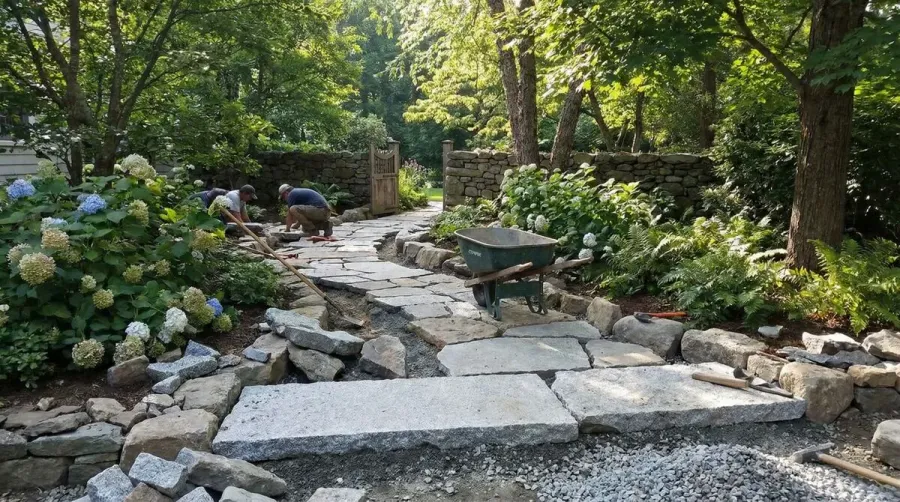
Installation Tip: Always install landscape fabric beneath granite rock applications to suppress weeds and provide a stable base that prevents rocks from sinking into soil over time.
Maintenance and cost considerations
Maintaining granite landscaping rock requires minimal effort compared to other landscaping materials. Rinse rocks occasionally with water to remove dirt and debris. Remove weeds that may grow between rocks by hand or with appropriate tools. Inspect larger installations periodically for any shifting or settling that might need adjustment.
Granite landscaping rock costs vary based on type, size, and quantity needed. Expect to pay between $50-150 per ton for most granite varieties, with specialty colors and larger sizes commanding higher prices. For more detailed pricing information, check out the cost of granite rock per ton. Factor in delivery costs, which can add $50-100 depending on distance and quantity ordered.
When budgeting for your granite project, remember that higher upfront costs often result in lower long-term expenses. Granite’s durability means you won’t need frequent replacements or repairs like you might with softer landscaping materials. This makes granite an excellent value for homeowners planning to stay in their homes long-term.
Granite landscaping rock offers an unbeatable combination of natural beauty, durability, and versatility for outdoor spaces. Whether you choose classic gray, warm pink, or dramatic black varieties, granite provides lasting value that enhances your property’s appeal while requiring minimal maintenance. With proper selection and installation, granite rocks will serve as beautiful, functional landscape elements for decades to come.
FAQ
What are the main benefits of granite landscaping rock?
Granite landscaping rock offers exceptional durability that lasts for decades, superior weather resistance to extreme temperatures, low maintenance requirements, excellent drainage properties, and natural beauty with various color options including gray, pink, and black. Its igneous composition makes it ideal for high-traffic areas like driveways and pathways.
How much does granite landscaping rock cost?
Granite landscaping rock typically costs between $50-150 per ton, depending on the type, size, and color variety. Specialty colors and larger sizes command higher prices, with additional delivery costs of $50-100 based on distance and quantity. While the upfront cost is higher, granite’s durability makes it cost-effective long-term.
What colors and types of granite rock are available for landscaping?
Granite landscaping rock comes in three main colors: gray granite for versatile neutral applications, pink granite for warm cottage-style gardens, and black granite for dramatic modern landscapes. Each type offers different size ranges from small chips (1/4″) to large boulders (24″), allowing for various design applications from pathways to focal points.
How do you install granite landscaping rock properly?
Proper granite rock installation involves clearing and leveling the area, installing landscape fabric to suppress weeds, placing larger rocks first to establish the design structure, and filling gaps with smaller granite pieces. For pathways and driveways, compact the soil and add a base layer of gravel for stability before placing the granite rocks.