
Class 3 Crushed Rock Guide Uses, Benefits, and Applications for Construction Projects
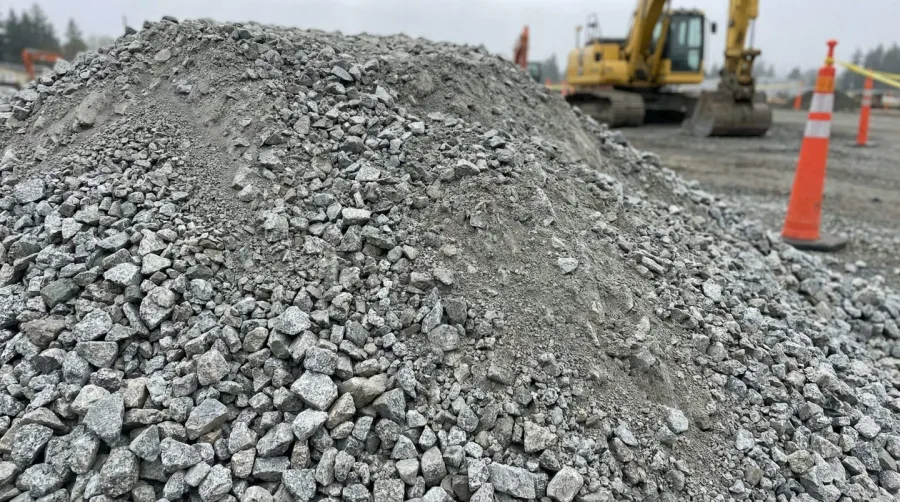
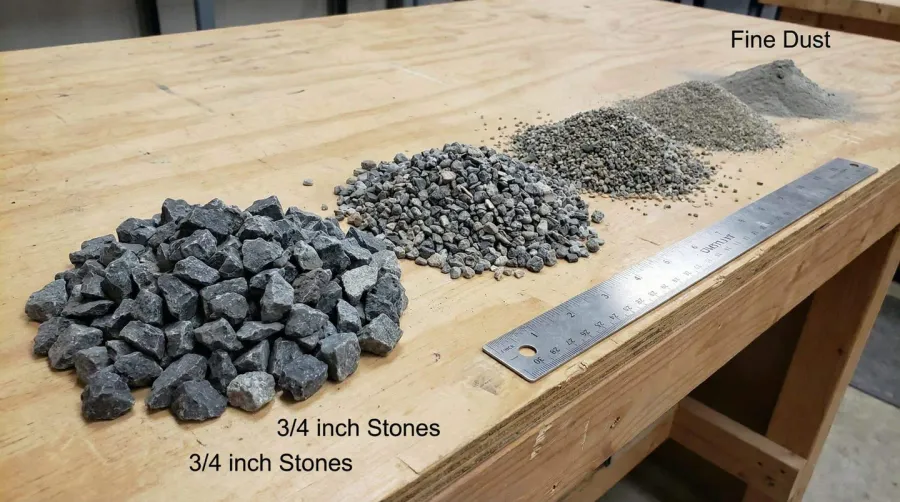
If you’re planning a construction or landscaping project, you’ve likely come across the term “Class 3 crushed rock.” This versatile aggregate material serves as the backbone for countless construction applications, from road foundations to drainage systems. Class 3 crushed rock consists of well-graded particles ranging from 3/4 inch down to fine dust, typically made from crushed granite, limestone, or basalt.
Quick Answer: Class 3 crushed rock is a well-graded aggregate with particles ranging from 3/4 inch to dust size, offering excellent compaction and stability for construction foundations, road bases, and drainage applications.
Understanding this material’s properties and applications can help you make informed decisions for your next project. Whether you’re building a driveway, constructing a foundation, or managing drainage, Class 3 crushed rock offers reliable performance at an affordable cost.
What makes Class 3 crushed rock unique
Class 3 crushed rock stands out from other aggregates due to its specific particle size distribution and grading. The material contains a carefully balanced mix of larger stones (up to 3/4 inch) combined with smaller particles and fine dust. This well-graded composition allows the material to compact tightly, creating a stable foundation that resists shifting and settling.
The production process begins with blasting and crushing source rocks like granite, limestone, or basalt. These materials are then screened to achieve the precise size distribution that defines Class 3 specifications. The resulting aggregate has a density of approximately 100 pounds per cubic foot and excellent drainage properties.
What sets Class 3 apart from Class 2 or Class 4 materials is its balanced particle distribution. While Class 2 might have larger stones and Class 4 contains finer materials, Class 3 offers the ideal middle ground for most construction applications. This balance provides both structural stability and adequate drainage. For a deeper understanding of different types of gravel for construction, explore the various aggregate classifications available.
Primary applications for construction projects
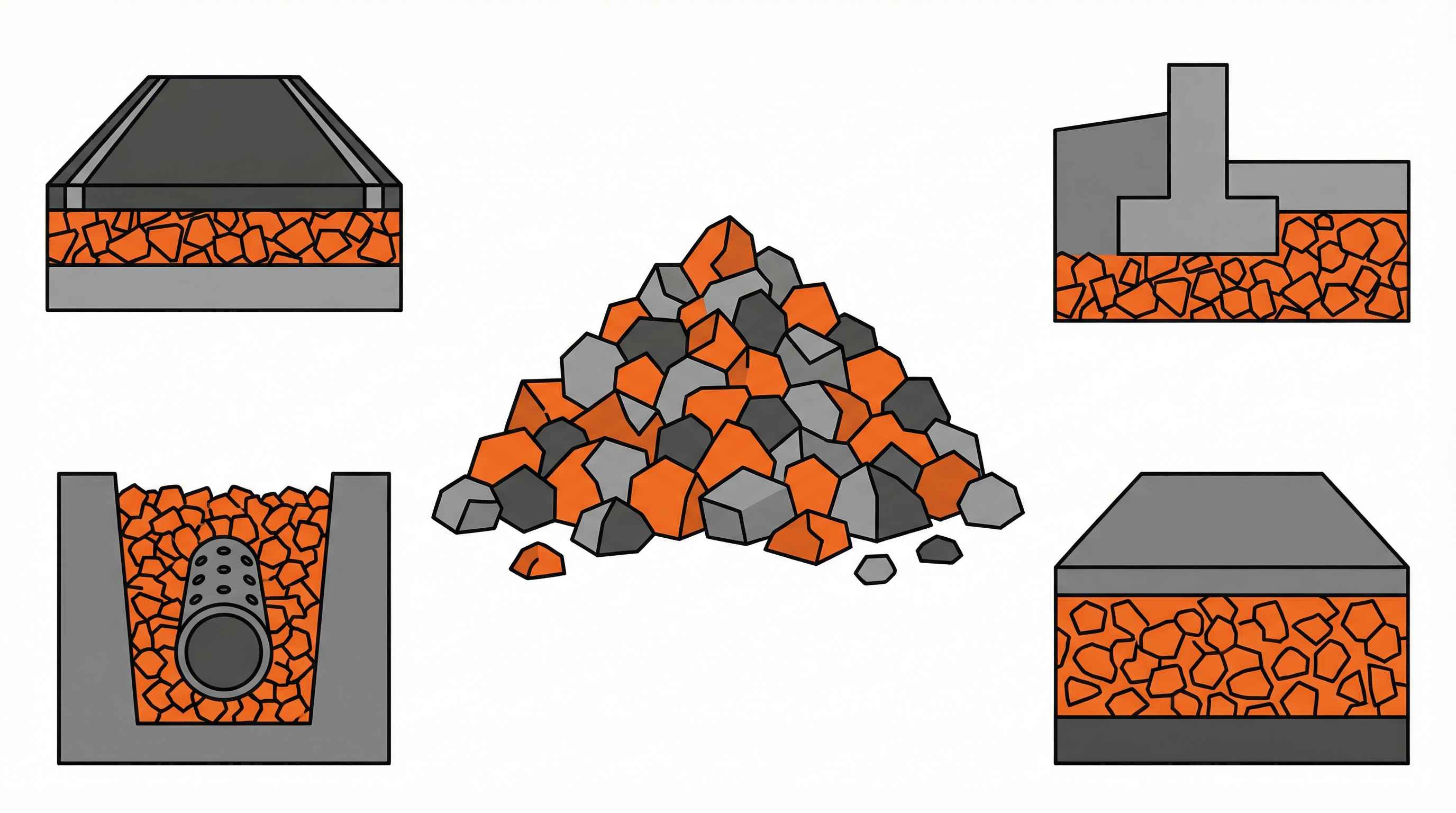
Road construction represents the most common use for Class 3 crushed rock. The material serves as an excellent base layer beneath asphalt or concrete surfaces, providing the structural foundation needed to support heavy traffic loads. Its compaction properties create a stable platform that prevents road surface cracking and settling. Learn more about the best gravel size for road construction to ensure optimal performance.
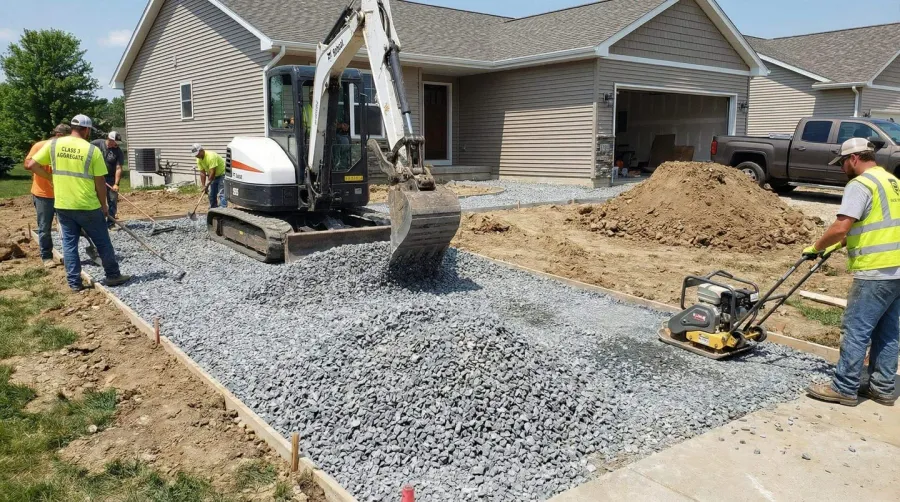
For residential projects, Class 3 crushed rock works exceptionally well as a driveway base. The material compacts firmly under vehicle weight while allowing proper water drainage. This prevents the formation of ruts and soft spots that plague poorly constructed driveways.
Building foundations benefit significantly from Class 3 crushed rock as backfill material. The aggregate improves soil bearing capacity and provides excellent drainage around foundation walls. This helps prevent water accumulation that could lead to foundation problems or basement flooding. If you’re wondering what is the best gravel size for a foundation, Class 3 crushed rock is often the answer.
Pro Tip: When using Class 3 crushed rock for foundation work, ensure proper compaction in 6-inch lifts to achieve maximum stability and load-bearing capacity.
Drainage applications represent another key use for this versatile material. French drains, stormwater management systems, and erosion control projects all benefit from Class 3 crushed rock’s ability to allow water flow while maintaining structural integrity. For comprehensive guidance on the best gravel for drainage, consider how particle size affects water movement.
Key benefits that drive popularity
Cost-effectiveness makes Class 3 crushed rock attractive for budget-conscious projects. The material offers excellent value compared to other foundation options, requiring minimal ongoing maintenance once properly installed. This long-term affordability makes it ideal for both residential and commercial applications.
Durability stands as perhaps the most significant advantage of Class 3 crushed rock. The material resists weathering, compression, and erosion better than many alternatives. Projects using properly installed Class 3 crushed rock can last decades without requiring major repairs or replacement.
Environmental benefits add another layer of appeal for modern construction projects. The material comes from natural sources and can be recycled or reused in future projects. Its excellent drainage properties help prevent runoff and reduce environmental impact compared to impermeable surfaces.
Installation versatility allows Class 3 crushed rock to adapt to various project requirements. The material works equally well for small residential projects and large commercial developments. Its forgiving nature means minor installation variations won’t compromise overall performance.
Choosing the right supplier and installation approach
Quality consistency should top your priority list when selecting a Class 3 crushed rock supplier. Look for suppliers who maintain strict quality control throughout their production process and can provide consistent particle size distribution. hellogravel.com offers reliable Class 3 crushed rock sourced from quality quarries with consistent grading specifications.
Location proximity affects both cost and delivery logistics. Choosing a supplier near your project site reduces transportation costs and allows for more flexible delivery scheduling. This becomes especially important for larger projects requiring multiple deliveries. Understanding how to get a load of gravel delivered can streamline your procurement process.
Installation success depends on proper site preparation and compaction techniques. Remove all vegetation and organic material from the installation area before placing Class 3 crushed rock. Compact the material in layers no thicker than 6 inches, using appropriate equipment to achieve proper density.
Installation Tip: Create a slight slope (2-3%) in your Class 3 crushed rock base to ensure proper water drainage away from structures and prevent pooling.
Maintenance requirements for Class 3 crushed rock remain minimal once properly installed. Periodic inspection for settling or erosion helps identify potential issues early. Adding fresh material to high-traffic areas every few years maintains optimal performance.
| **Class Comparison** | **Particle Size** | **Primary Use** | **Compaction** |
|---|---|---|---|
| Class 2 | 1.5″ – 3/4″ | Heavy drainage | Good |
| Class 3 | 3/4″ – dust | Road base/foundations | Excellent |
| Class 4 | Fine particles | Surface finishing | Fair |
Class 3 crushed rock continues to prove its worth across diverse construction applications. Its balanced particle size distribution, excellent compaction properties, and cost-effective nature make it an ideal choice for foundations, road bases, and drainage systems. When you select quality material from reliable suppliers and follow proper installation techniques, Class 3 crushed rock delivers long-lasting performance that supports your project’s success for years to come. For additional insights on the best gravel for compacting, explore how different aggregate types perform under various conditions.