
Can You Put a Gazebo or Pergola on Gravel? Complete Foundation Guide
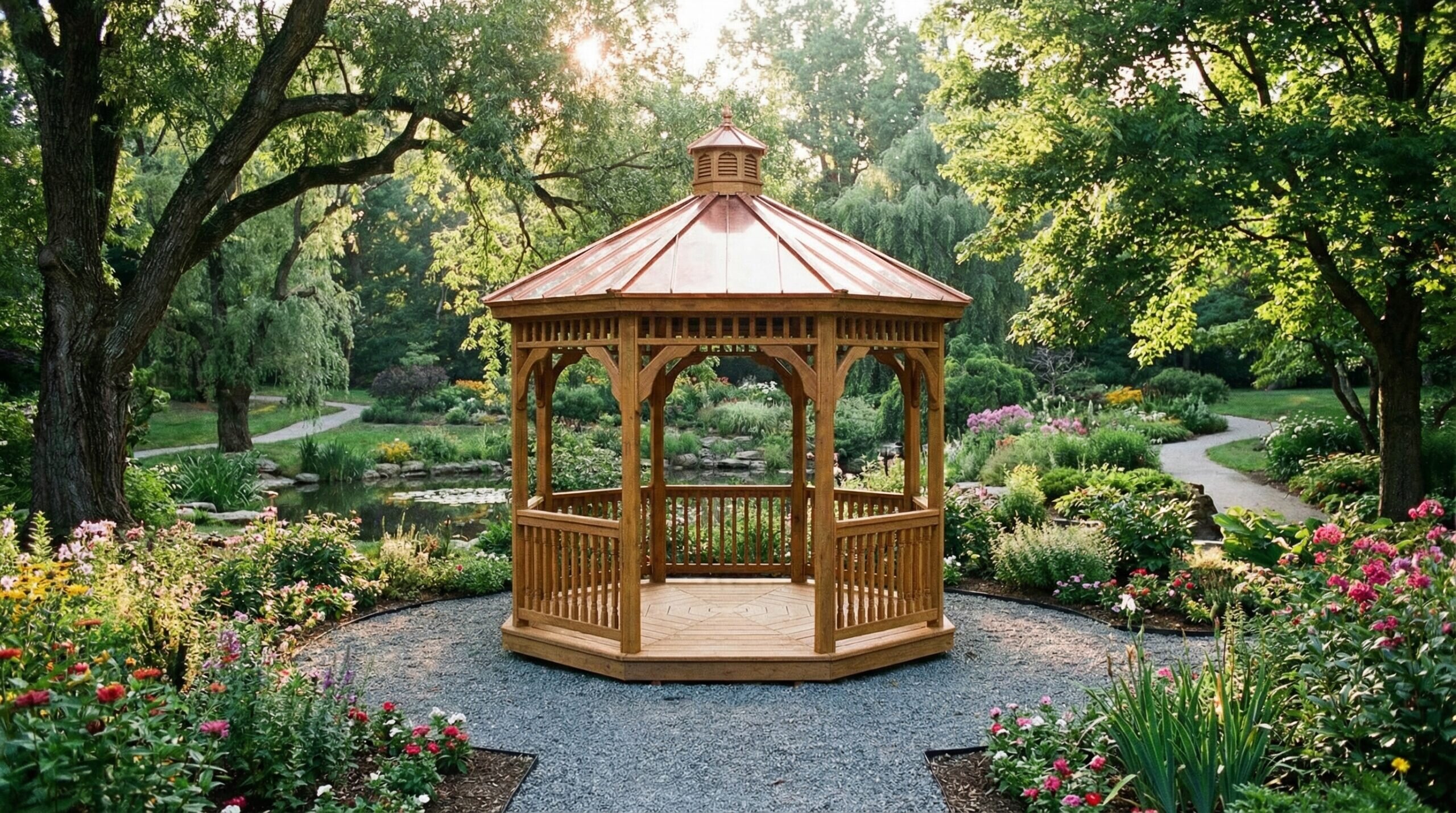
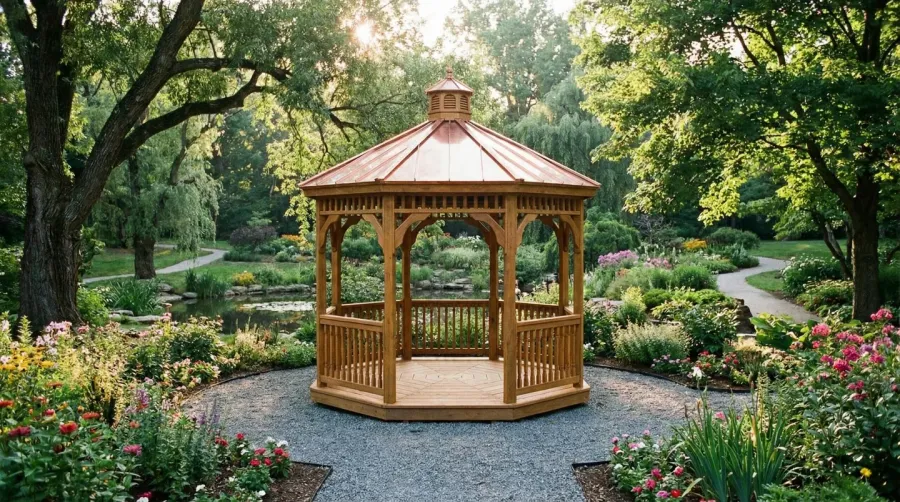
Yes, you can absolutely put a gazebo or pergola on gravel, and it’s often one of the smartest foundation choices for most residential projects. A properly installed gravel base provides excellent drainage, costs significantly less than concrete, and offers the stability your outdoor structure needs to last for years.
The key is understanding when gravel works best and how to install it correctly. While lightweight gazebos and most pergolas thrive on gravel foundations, heavier enclosed structures might need concrete footings for additional support.
Quick Answer: A 4-6 inch compacted gravel base works perfectly for most gazebos and pergolas, providing drainage and stability at a fraction of concrete’s cost.
In this guide, you’ll discover exactly when gravel is the right choice, how it compares to other foundation options, and the step-by-step process to build a rock-solid base that will keep your outdoor structure stable and level.
Why your gazebo or pergola needs the right foundation
Think of your gazebo or pergola foundation like the shoes you wear for different activities. Just as you wouldn’t wear flip-flops for hiking, your outdoor structure needs the right base to handle its specific demands.
Without a proper foundation, your beautiful gazebo can shift, sink, or develop that annoying wobble that makes every gathering feel unstable. Poor drainage around the base leads to water pooling, which can rot wooden posts and create muddy messes around your outdoor space.
A well-planned foundation solves three critical problems. First, it distributes the weight evenly so your structure won’t sink into soft soil. Second, it provides drainage to prevent water damage and frost heaving in colder climates. Third, it creates a level surface that keeps doors aligned and prevents structural stress.
The good news? Most residential gazebos and pergolas don’t need the heavy-duty foundations that commercial buildings require. A properly installed gravel base handles the job beautifully while keeping your project budget-friendly and DIY-manageable.
Foundation options compared
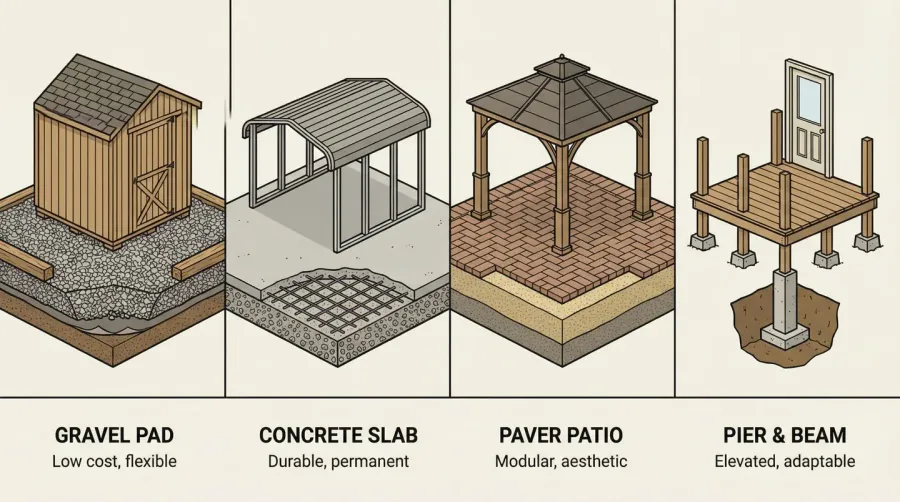
When choosing your foundation, you have four main options, each with distinct advantages depending on your project needs and budget.
Gravel bases work excellently for most residential gazebos and pergolas. They cost roughly 60% less than concrete, drain naturally, and you can install them in a weekend. The trade-off is that gravel requires occasional maintenance and works best with lighter structures.
Concrete slabs provide maximum stability and work well for heavy hardtop gazebos or structures in high-wind areas. However, they cost significantly more, require professional installation in most cases, and create drainage challenges if not properly sloped.
Patio stones or pavers offer a middle ground with good stability and attractive appearance. They’re easier to adjust than concrete but cost more than gravel and still require a gravel base underneath for proper support.
| Foundation Type | Cost Level | DIY Difficulty | Best For | Key Benefit |
|---|---|---|---|---|
| Gravel base | Low | Easy | Light gazebos, pergolas | Drainage & affordability |
| Concrete slab | High | Advanced | Heavy structures | Maximum stability |
| Patio stones | Medium | Moderate | Decorative projects | Attractive & adjustable |
| Footings/piers | Medium | Moderate | Wind-prone areas | Structural anchoring |
Concrete footings or piers become necessary when local codes require them or when you’re dealing with heavy structures that need deep anchoring. They’re often combined with gravel bases to get the benefits of both approaches.
When gravel is your best choice
Gravel foundations shine in specific situations, and recognizing these scenarios helps you make the right decision for your project.
Lightweight to medium-weight structures are perfect candidates for gravel bases. This includes most wooden gazebos under 12 feet, aluminum pergolas, and fabric-top gazebos. These structures benefit from gravel’s drainage without needing concrete’s heavy-duty support.
Well-draining soil conditions make gravel even more effective. If water doesn’t pool in your yard after rain and your soil isn’t primarily clay, gravel will perform beautifully. The natural drainage prevents the frost heaving that can shift concrete slabs in colder climates.
Pro Tip: If you can dig a test hole and it doesn’t fill with water after 24 hours, your soil conditions are ideal for a gravel base.
Budget-conscious projects benefit tremendously from gravel’s cost advantages. When you’re spending significant money on a quality gazebo or pergola, saving 40-60% on the foundation lets you invest more in the structure itself or surrounding landscaping. If you’re also considering other outdoor projects, using pea gravel as a base for playground equipment offers similar drainage and stability benefits.
However, gravel isn’t right for every situation. Heavy enclosed gazebos, structures in extremely windy locations, or areas with poor soil drainage might need concrete foundations or additional footings for safety and longevity.
Choosing the right gravel and depth
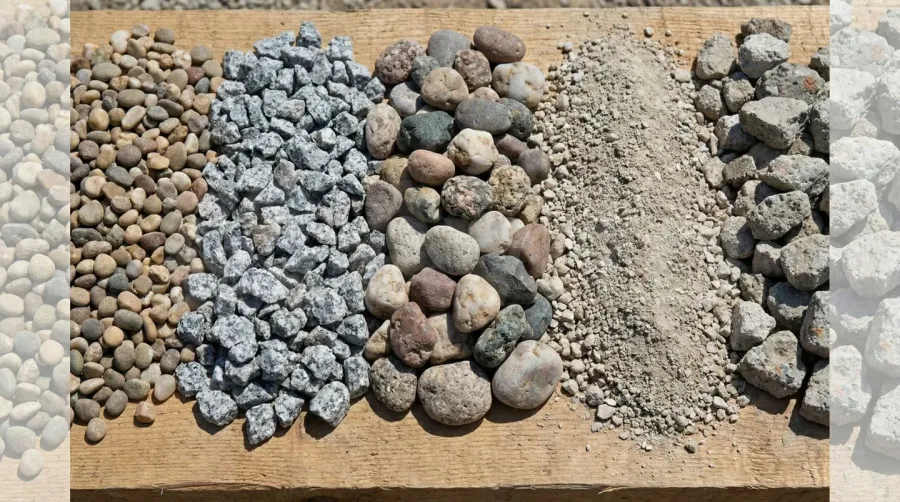
Not all gravel performs equally as a foundation material, and selecting the right type makes the difference between a stable base and one that shifts over time.
Crushed stone gravel is your best choice for gazebo and pergola foundations. The angular edges lock together when compacted, creating a stable surface that won’t shift under load. Look for ¾-inch minus crushed stone, which includes smaller particles that fill gaps and compact tightly. This same principle applies when using crushed stone as a base for playground equipment, where stability is equally critical.
Avoid pea gravel for structural foundations. While it looks attractive, the smooth, rounded stones don’t interlock and will shift under the weight of your structure. Save pea gravel for decorative pathways, not load-bearing applications. If you’re interested in decorative applications, consider using pea gravel as edging for flower bed projects instead.
Depth matters significantly for long-term stability. Plan to excavate 4-6 inches below your finished grade, then install 4-5 inches of compacted gravel. This depth provides adequate support for most residential structures while ensuring proper drainage.
In areas with freeze-thaw cycles, consider going slightly deeper to prevent frost heaving. The extra inch or two of gravel creates additional insulation and drainage that protects your foundation through winter weather changes.
Material Calculation: For a 10×10 foot gazebo, you’ll need approximately 1.5 cubic yards of crushed stone gravel for a proper 5-inch compacted base.
Step-by-step installation process
Installing a gravel base requires careful attention to detail, but the process is straightforward enough for most DIY enthusiasts to complete successfully.
Start with planning and layout. Mark your gazebo or pergola footprint using stakes and string, ensuring corners are square by measuring diagonals. Check local building codes for any foundation requirements, and call 811 to mark underground utilities before digging.
Clear and excavate the area by removing all grass, roots, and organic matter down to firm subsoil. Dig to your target depth of 4-6 inches, keeping the excavation as level as possible. A slight slope away from the center helps with drainage. Similar preparation techniques are used when using crushed stone as a sub-base for deck projects.
Install landscape fabric over the entire excavated area to prevent weeds and keep gravel from mixing with soil over time. Overlap seams by 6 inches and secure edges with landscape pins.
Add gravel in layers rather than dumping it all at once. Spread 2-3 inches of crushed stone, then compact thoroughly with a plate compactor or hand tamper. Repeat until you reach your target thickness of 4-5 inches compacted. This layering approach is also essential when using crushed stone for parking areas.
Level and check your work using a long straight edge and level. The surface should be flat for your structure while maintaining slight drainage slope away from the center. Make final adjustments by adding or removing small amounts of gravel as needed.
When you’re ready to source quality gravel for your foundation project, Hello Gravel makes the process simple with delivery right to your site. Their crushed stone products are specifically selected for foundation applications, and their online quote system helps you calculate exactly how much material you need for your gazebo or pergola base.
Getting the right foundation material delivered saves you multiple trips to the supply yard and ensures you have enough quality gravel to complete your project properly the first time. Whether you’re building a gazebo foundation or considering using limestone as a base for gazebo or pergola projects, proper material selection and delivery make all the difference in your project’s success.
FAQ
Can you put a gazebo directly on gravel?
Yes, you can put a gazebo directly on gravel if the base is properly prepared with 4-6 inches of compacted crushed stone. This works best for gazebos with built-in floors or lightweight structures. However, heavier hardtop gazebos without floors may require concrete footings or a slab for additional stability and safety.
What type of gravel is best for a pergola base?
Crushed stone gravel (¾-inch minus) is the best choice for pergola bases because its angular edges lock together when compacted, creating a stable foundation. Avoid pea gravel for structural applications since the smooth, rounded stones don’t interlock and will shift under load. Save pea gravel for decorative top layers or walking surfaces only.
How deep should a gravel base be for a gazebo?
A gravel base should be 4-6 inches deep after compaction for most residential gazebos and pergolas. In areas with freeze-thaw cycles or poor soil drainage, consider going slightly deeper to prevent frost heaving. Remember that this depth is measured after compaction, so you’ll need to excavate deeper and add more loose gravel initially.
Do I need landscape fabric under my gazebo gravel base?
Yes, landscape fabric is highly recommended under a gravel base as it prevents weeds from growing through and keeps the gravel from mixing with soil over time. Install it over the entire excavated area, overlap seams by 6 inches, and secure edges with landscape pins for best results and long-term performance.