
Sump Pump Calculator
— How Much Do You Need?
Estimate gravel, sand, and backfill for your sump pump basin. See material totals & truckload costs.
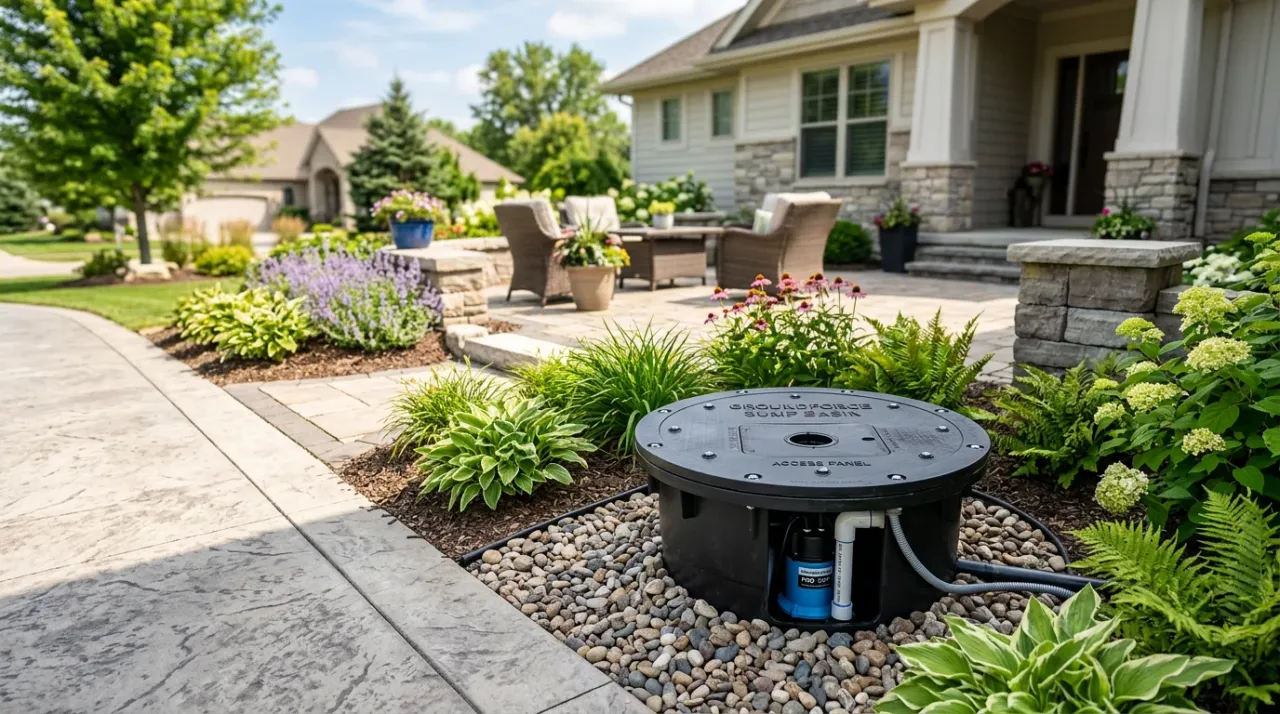
How to Use This Sump Pump Calculator
Planning a sump pump requires precise measurements to ensure you order enough material without overspending.
- 1 Measure Area: Measure the length and width of your planned sump pump area in feet.
- 2 Determine Depth: For most sump pump projects, a depth of 4 to 6 inches is recommended for stability.
- 3 Review Results: The calculator provides both cubic yards (for bulk volume) and tons (for ordering weight).
Common Materials for Sump Pumps
Selecting the right aggregate for sump pit backfill is critical to ensuring free water flow to the pump, preventing soil collapse into the basin, and maintaining long-term drainage performance.
| Material | Description | Best For | Est. Cost |
|---|---|---|---|
| Pea Gravel | Smooth, rounded, washed stone typically 3/8 to 1/2 inch in diameter, naturally worn to a uniform, pebble-like shape. | Pit Backfill, Drainage Bedding, Perimeter Trench Fill | $$ |
| #57 Crushed Stone | Angular, washed crushed stone graded at approximately 3/4 inch that locks together while maintaining high void space for drainage. | Pit Backfill, Base Layer, High-Clay Soils | $$ |
| Crusher Run (QP) | A compactable blend of crushed stone particles and stone dust ranging from 3/4 inch down to fines. | Surface Re-grading, Limited Use, Not Pit Backfill | $ |
| Coarse Sand | Granular, loose sand with particles typically ranging from 0.5 to 2 mm, offering moderate permeability and easy workability. | Layered Backfill, Tight Spaces, High-Clay Soil Supplement | $ |
Understanding the Cost
Several factors influence the final price of your sump pump project.
Material Volume
The dimensions of your project directly dictate the tonnage needed. Deeper bases require significantly more material.
Delivery Distance
Transport logistics play a major role. Being closer to the quarry or depot reduces delivery fees significantly.
Material Type
Decorative stones cost more than utility grades. Choose based on your project's functional and aesthetic requirements.
Recommended Products for Your Sump Pump
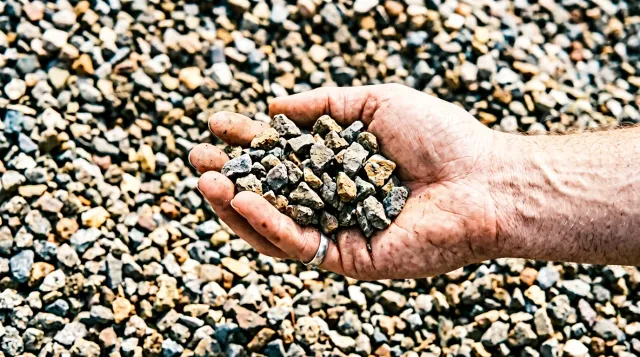
Gravel Calculator
This gravel calculator estimates cubic yards, tons, and coverage for any area. Enter dimensions and depth for driveways, patios, paths, and landscaping.
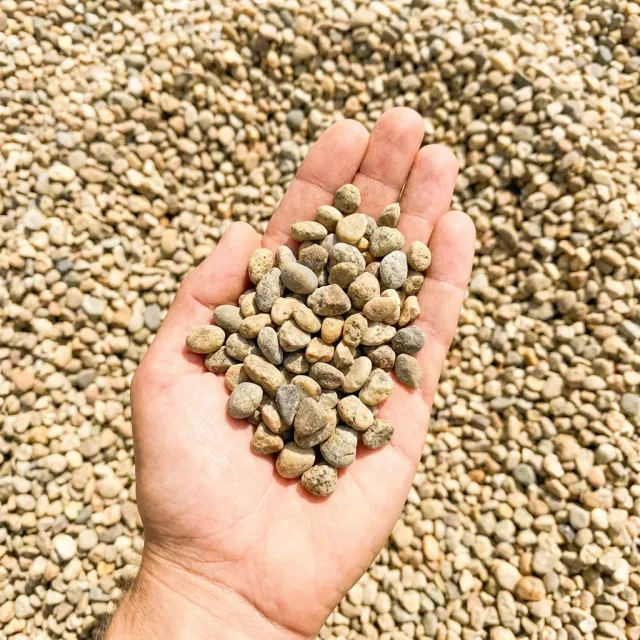
Pea Gravel Calculator
Pea gravel calculator — enter your project dimensions to estimate volume in cubic yards, tons, and bags. Ideal for pathways, patios, and ground cover.
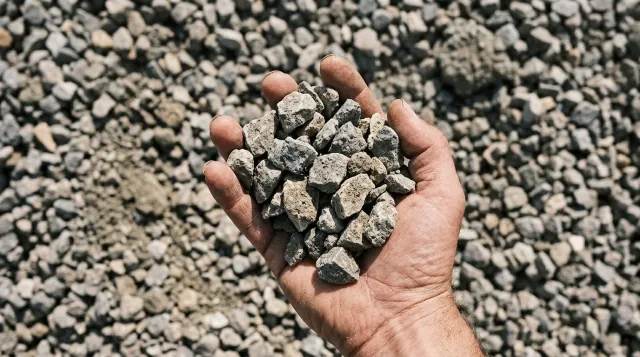
Crushed Stone Calculator
This calculator estimates crushed stone quantity and weight. Enter dimensions for results in cubic feet, cubic yards, and tons with density factored in.
Drainage Rock Calculator
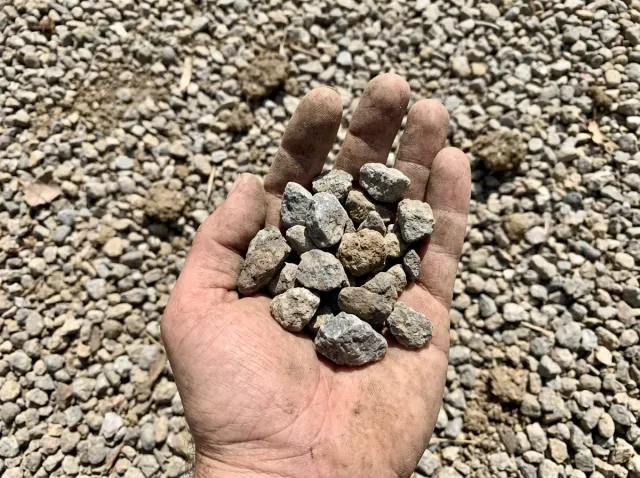
This calculator estimates drainage gravel for French drains, yard drainage, and erosion control. Factors in the 4-6 inch depth most systems need.
Frequently Asked Questions
What does a sump pump do, and what role does gravel play in the system?
A sump pump removes water that collects in a pit, typically located in a basement or crawl space, and pumps it away from your home before it can cause flooding or structural damage. The pump handles the mechanical side of things, but the gravel surrounding and lining the pit does the essential job of directing water toward the pump in the first place. A properly installed gravel drainage bed creates a porous layer that lets groundwater flow freely into the pit rather than pooling against your foundation walls. Without the right drainage stone in place, water cannot reach the pump efficiently, and your foundation stays vulnerable even when the pump is running. Hello Gravel supplies the bulk aggregate you need to build that drainage bed and the surrounding drainage system. The pump itself is a separate purchase from a plumbing or hardware supplier.
What type of gravel works best for a sump pit and drainage system?
Clean, washed drainage stone is the standard choice for sump pit surrounds and drainage applications. A 3/4-inch crushed stone is widely used because its angular shape creates good void space that lets water move freely without compacting over time. Pea gravel is another reliable option thanks to its smooth, rounded shape and naturally high drainage rate. The key in either case is to choose a washed, well-graded aggregate that will not break down, shift, or clog your drainage bed over the years. If you are unsure which material makes the most sense for your specific situation, reach out to the Hello Gravel team and they can help you choose the right stone for the job.
How much gravel do I need for a sump pit installation?
The quantity you need depends on the size of your sump pit, the depth of any surrounding drainage trench, and whether you are also installing a French drain or drainage channel along your foundation. A basic sump pit with a modest gravel surround may only call for a partial ton of stone. A larger drainage system with perimeter trenches can require several tons, depending on the total trench length and depth. For reference, a drainage trench that runs 50 feet at 12 inches wide and 18 inches deep will require a meaningfully different amount than one that runs 100 feet at greater depth, so precise dimensions matter. The most reliable way to get an accurate number for your project is to use the Hello Gravel online calculator. Enter your trench or pit dimensions and the calculator will give you a tonnage estimate based on your actual measurements. Ordering a little extra is always a good idea to account for settling once the material is placed.
Can a sump pump and drainage gravel work together to drain my yard?
Yes, and in most cases they work better together than either one does on its own. A sump pump is effective at removing water that has already collected in a pit, but pairing it with a gravel-filled French drain or drainage swale gives your system a way to capture and channel surface water and subsurface water before it ever reaches your foundation. A French drain uses a perforated pipe wrapped in landscape fabric and surrounded by drainage stone to collect water along its length and carry it toward a collection point, where the pump can then remove it. Hello Gravel delivers the bulk drainage aggregate needed for French drain installations and yard drainage projects. If you are planning a full yard drainage system, the Hello Gravel online calculator can help you estimate how much stone your trenches will require based on your specific dimensions.
What are the main drawbacks of relying on a sump pump without proper drainage?
A sump pump is an active mechanical system, which means it depends on electricity and moving parts that can fail at exactly the wrong moment. During a heavy storm, when you need the pump most, a power outage or a stuck float switch can shut the whole system down before the water has anywhere to go. Even a well-maintained pump can be overwhelmed if the volume of water rushing in exceeds its capacity. That is why most drainage professionals treat the pump as the last line of defense rather than the only one. A well-designed passive drainage system, including properly graded soil, drainage stone, and French drains, reduces the volume of water reaching the pit in the first place. The less your pump has to handle on its own, the less likely it is to fail when conditions are at their worst. Hello Gravel can supply the bulk aggregate for any passive drainage improvements you want to build alongside your pump system.
More Project Calculators
Playground Calculator
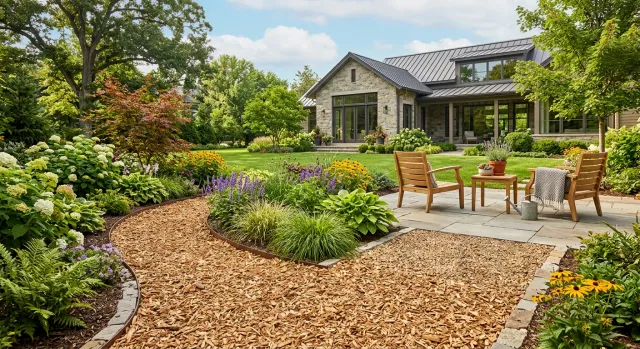
This calculator estimates mulch, rubber, or wood fiber surfacing for playgrounds. Enter area and recommended depth to get cubic yards and tons.
Chicken Coop Calculator
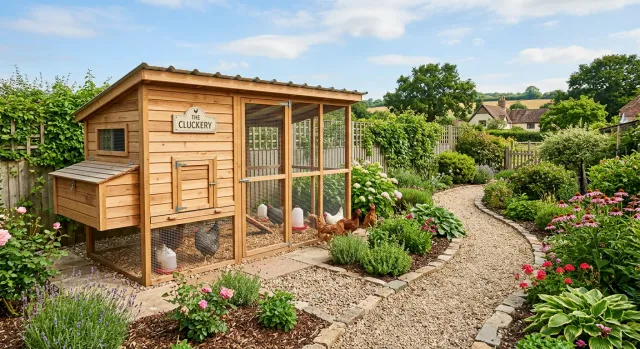
Use this calculator to estimate how much gravel your coop base requires. Input dimensions and depth for volume in cubic yards and stone type guidance.
Basketball Court Calculator
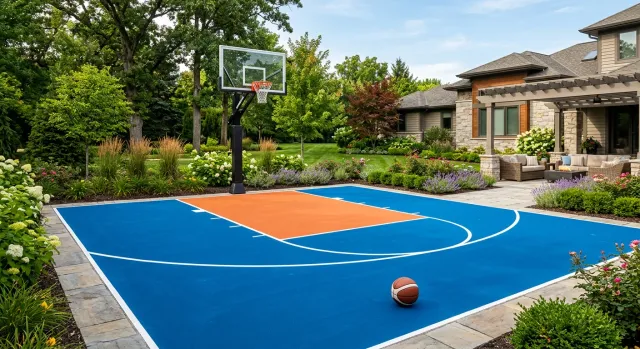
Court base calculator — estimate gravel, sand, and sub-base quantities for backyard or regulation basketball courts. Input court size for material totals.
Tennis Court Calculator
Use this calculator to estimate the crushed stone base for a new or resurfaced tennis court. Enter dimensions and depth for volume and tonnage.
Delivery Logistics & Truck Info
Know your delivery options and access requirements before scheduling your order.
Truck Capacities
- Standard Dump Truck10–14 tons
- Tandem Axle14–18 tons
- Semi End Dump20–25 tons
A standard cubic yard weighs approximately 2,000–2,700 lbs depending on material and moisture.
Site Access Requirements
- Trucks require a minimum 12-ft wide, overhead-clear access path
- Soft ground or slopes over 10% may limit truck access — contact us before ordering
- Ensure no underground utilities or irrigation lines are in the drop zone
- Mark your desired drop location clearly before delivery
Important Notes
- Delivery estimates are based on available inventory and route proximity
- Minimum order quantities apply — typically 5 cubic yards or 1 truckload
- Material certification is available upon request for permitted projects
- Always confirm local ordinances before major material placement