
Septic Drain Field Cost Calculator
— How Much Do You Need?
Estimate gravel, sand, and drain rock for your septic drain field with quick bulk delivery and clear pricing.

How to Use This Septic Drain Field Calculator
Planning a septic drain field requires precise measurements to ensure you order enough material without overspending.
- 1 Measure Area: Measure the length and width of your planned septic drain field area in feet.
- 2 Determine Depth: For most septic drain field projects, a depth of 4 to 6 inches is recommended for stability.
- 3 Review Results: The calculator provides both cubic yards (for bulk volume) and tons (for ordering weight).
Common Materials for Septic Drain Fields
Choosing the right aggregate ensures adequate effluent percolation, pipe support, and long-term absorption field performance without clogging or system failure.
| Material | Description | Best For | Est. Cost |
|---|---|---|---|
| #57 Crushed Stone | Angular, 3/4-inch to 1-inch crushed stone with a clean, washed finish and minimal fines. | Primary Trench Aggregate, Pipe Bedding, Effluent Percolation | $$ |
| Washed Drain Gravel (1.5–3 inch) | Rounded to semi-angular, clean washed gravel sized 1.5 to 3 inches in diameter with no clay or silt content. | Primary Trench Aggregate, High-Volume Drain Fields, Pipe Surround | $$ |
| Coarse Washed Sand | Uniformly graded, clean coarse sand with particle sizes typically ranging from 0.5 to 2 millimeters and very low fines content. | Mound Systems, Poor Soil Conditions, Absorption Bed Fill | $ |
| Loamy Topsoil | A balanced mixture of sand, silt, and clay with moderate organic content that supports vegetation and resists erosion. | Trench Backfill, Final Cover Layer, Not Trench Aggregate | $ |
Understanding the Cost
Several factors influence the final price of your septic drain field project.
Material Volume
The dimensions of your project directly dictate the tonnage needed. Deeper bases require significantly more material.
Delivery Distance
Transport logistics play a major role. Being closer to the quarry or depot reduces delivery fees significantly.
Material Type
Decorative stones cost more than utility grades. Choose based on your project's functional and aesthetic requirements.
Recommended Products for Your Septic Drain Field

Gravel Calculator
This gravel calculator estimates cubic yards, tons, and coverage for any area. Enter dimensions and depth for driveways, patios, paths, and landscaping.

Sand Calculator
Use this sand calculator to estimate cubic yards, tons, and bags. Covers fill, leveling, and bedding sand with weight and cost estimates included.
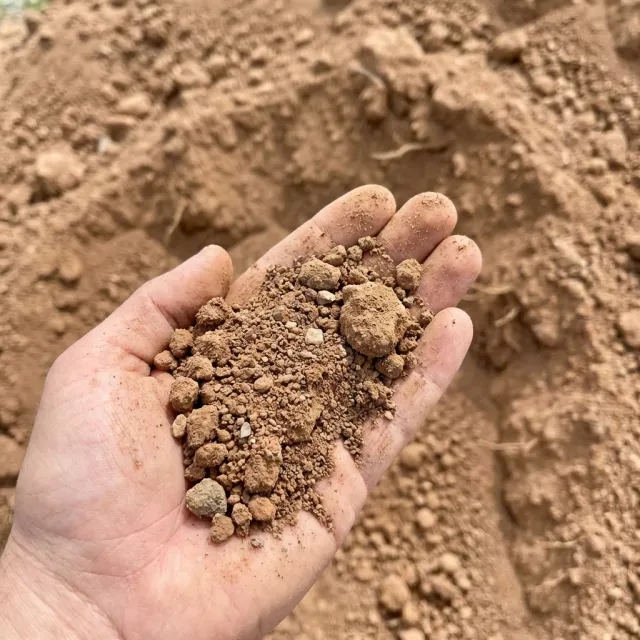
Fill Dirt Calculator
This calculator estimates fill dirt volume with a built-in compaction factor so you order enough. Works for grading, foundations, and backfill projects.
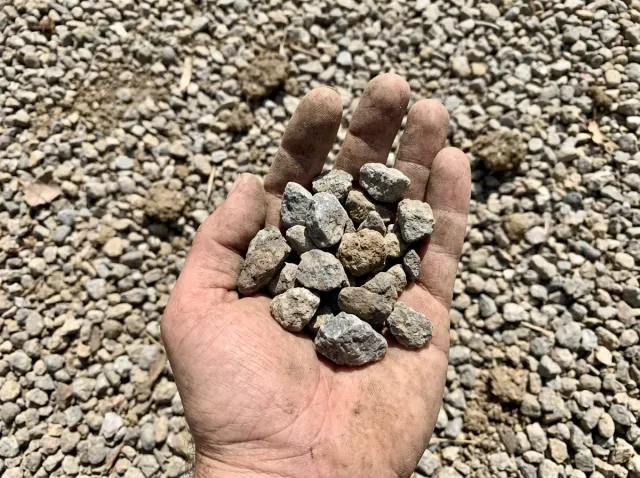
Drainage Rock Calculator
This calculator estimates drainage gravel for French drains, yard drainage, and erosion control. Factors in the 4-6 inch depth most systems need.
Frequently Asked Questions
What’s the difference between a leach field and a drain field?
These two terms refer to the same thing. Drain field and leach field are used interchangeably across the country, and they describe the underground system of perforated pipes and gravel that receives wastewater from your septic tank and disperses it into the surrounding soil. Depending on your region, you might also hear it called a leach bed, an absorption field, or a soil absorption system. The name changes by location, but the function stays the same: the gravel around the pipes provides the drainage space that filters the effluent as it moves through the soil below. When you order septic drain field gravel from Hello Gravel, you are getting the same material no matter what your local contractor calls the system.
What type of gravel is used in a septic drain field, and does it need to be washed?
Clean, washed crushed stone is the standard material for a septic drain field and it must be washed. The gravel is usually in the 3/4 inch to 2.5 inch size range, and it must be free of fines, dust, silt, and clay. Those fine particles clog the gaps between the stones and prevent water from flowing through. The gravel layer should have open void space to allow drainage into the soil below. Angular crushed stone is most common, though some local codes specify rounded river gravel. Local codes vary, so check with your local code office or septic installer. Hello Gravel carries clean, washed stone suitable for drain field use, and if you’re unsure which product fits your project, the Hello Gravel team can help you choose.
How much gravel do I need for a septic drain field?
The amount you need depends on the length of your trenches, their width, and how deep the gravel layer should be. A typical drain field trench is 18 to 36 inches wide. The gravel layer is usually 12 to 18 inches deep. A practical starting point is 2 feet wide with 12 inches of gravel, which uses about 7 to 8 cubic yards of stone per 100 linear feet. That comes to roughly 9 to 11 tons per 100 linear feet. For a 300 linear foot field, expect around 22 to 24 cubic yards, or about 28 to 34 tons. These are estimates; use the Hello Gravel calculator for a precise number based on your exact trench measurements. It is better to order a little extra than to run short during installation.
How many linear feet of drain field does a typical home need?
A common rule of thumb is 100 linear feet of drain field per bedroom. That suggests about 300 linear feet for a 3 bedroom home and about 400 linear feet for a 4 bedroom home. However, this is only a rough guide. The actual length is determined by a perc test that measures how quickly your soil absorbs water. Sandy or loamy soils absorb faster and may need less field length, while clay soils drain slowly and may require more or a different system design. Your local health department or a licensed septic designer uses the perc test results to size the field. Once you know the total footage required, you can use the Hello Gravel calculator to estimate gravel needs.
What causes a drain field to fail, and how do I know if mine is going bad?
The most common cause of drain field failure is a biomat buildup. A slimy layer of bacteria and organic matter forms on the trench surfaces and slows or blocks drainage. This often happens when solids reach the field because the septic tank has not been pumped on schedule. Other causes include heavy equipment driving over the field, tree roots, hydraulic overload from excess water, and damage to pipes. Signs of trouble include slow drains, toilets that gurgle, sewage odors in the yard, soggy ground over the field, or unusually lush grass growing directly above the trenches. If you see these signs, have a licensed septic professional evaluate the system.
More Project Calculators

Playground Calculator
This calculator estimates mulch, rubber, or wood fiber surfacing for playgrounds. Enter area and recommended depth to get cubic yards and tons.

Chicken Coop Calculator
Use this calculator to estimate how much gravel your coop base requires. Input dimensions and depth for volume in cubic yards and stone type guidance.

Basketball Court Calculator
Court base calculator — estimate gravel, sand, and sub-base quantities for backyard or regulation basketball courts. Input court size for material totals.

Tennis Court Calculator
Use this calculator to estimate the crushed stone base for a new or resurfaced tennis court. Enter dimensions and depth for volume and tonnage.
Delivery Logistics & Truck Info
Know your delivery options and access requirements before scheduling your order.
Truck Capacities
- Standard Dump Truck10–14 tons
- Tandem Axle14–18 tons
- Semi End Dump20–25 tons
A standard cubic yard weighs approximately 2,000–2,700 lbs depending on material and moisture.
Site Access Requirements
- Trucks require a minimum 12-ft wide, overhead-clear access path
- Soft ground or slopes over 10% may limit truck access — contact us before ordering
- Ensure no underground utilities or irrigation lines are in the drop zone
- Mark your desired drop location clearly before delivery
Important Notes
- Delivery estimates are based on available inventory and route proximity
- Minimum order quantities apply — typically 5 cubic yards or 1 truckload
- Material certification is available upon request for permitted projects
- Always confirm local ordinances before major material placement