
Rain Garden Calculator
— How Much Do You Need?
Quickly calculate soil, compost, mulch and gravel needs for your rain garden — truckload delivery.
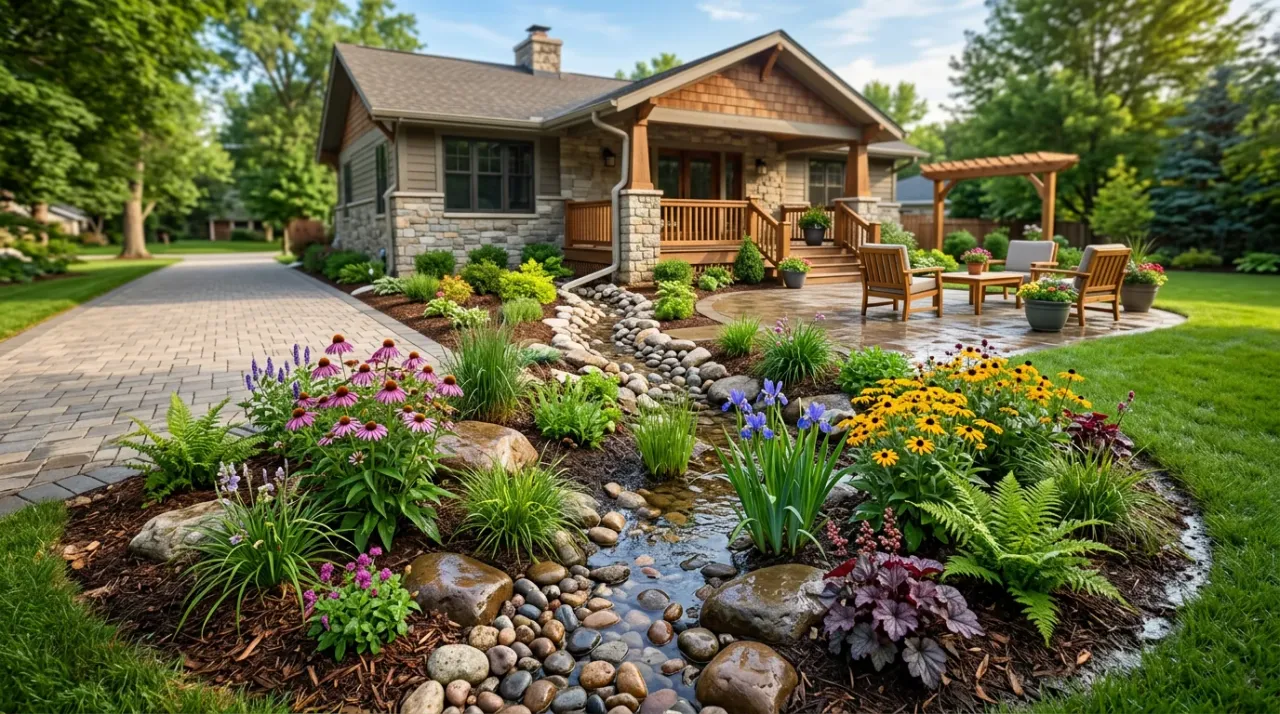
How to Use This Rain Garden Calculator
Planning a rain garden requires precise measurements to ensure you order enough material without overspending.
- 1 Measure Area: Measure the length and width of your planned rain garden area in feet.
- 2 Determine Depth: For most rain garden projects, a depth of 4 to 6 inches is recommended for stability.
- 3 Review Results: The calculator provides both cubic yards (for bulk volume) and tons (for ordering weight).
Common Materials for Rain Gardens
Choosing the right materials ensures proper infiltration rates, erosion control, and plant health in a rain garden's layered profile.
| Material | Description | Best For | Est. Cost |
|---|---|---|---|
| Rain Garden Soil Mix (60/20/20) | A custom-blended, loose growing medium composed of approximately 60% coarse sand, 20% compost, and 20% topsoil by volume. | Engineered Soil Layer, Infiltration Media, Plant Growth Support | $$$ |
| #57 Crushed Stone | Clean, angular crushed stone typically 3/4-inch in size with minimal fines, providing excellent void space and drainage. | Gravel Drainage Base, Underdrain Bedding, Overflow French Drain | $$ |
| 3/8-Inch Crushed Stone | Small-diameter angular crushed stone with a 3/8-inch nominal size that packs lightly while maintaining permeability. | Inlet Reinforcement, Outlet Erosion Control, Choker Layer | $$ |
| Hardwood Mulch | Shredded or chipped organic wood material that decomposes over time, enriching soil while moderating moisture. | Surface Topdressing, Moisture Retention, Weed Suppression | $ |
Understanding the Cost
Several factors influence the final price of your rain garden project.
Material Volume
The dimensions of your project directly dictate the tonnage needed. Deeper bases require significantly more material.
Delivery Distance
Transport logistics play a major role. Being closer to the quarry or depot reduces delivery fees significantly.
Material Type
Decorative stones cost more than utility grades. Choose based on your project's functional and aesthetic requirements.
Recommended Products for Your Rain Garden
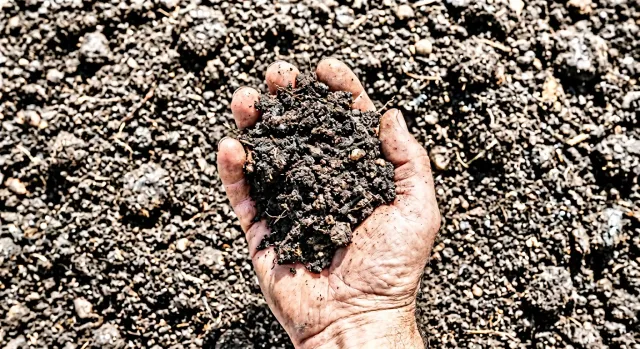
Topsoil Calculator
Topsoil calculator that estimates cubic yards and tons from your area and depth. Supports raised beds, gardens, new lawns, and grading projects.
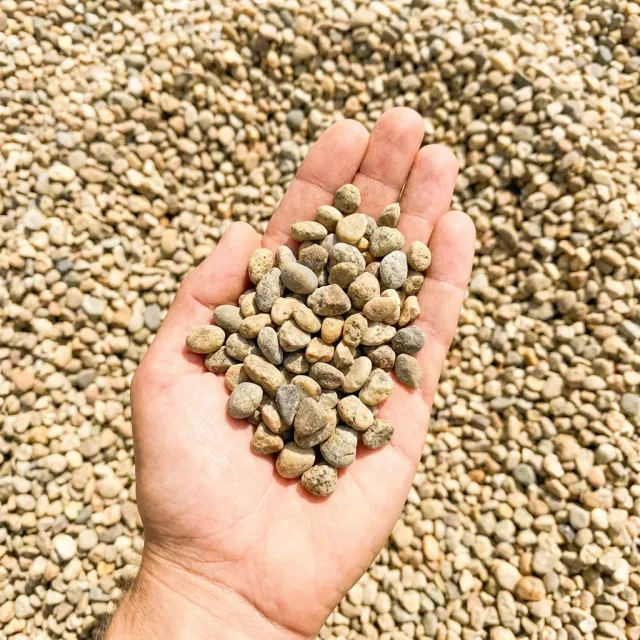
Pea Gravel Calculator
Pea gravel calculator — enter your project dimensions to estimate volume in cubic yards, tons, and bags. Ideal for pathways, patios, and ground cover.
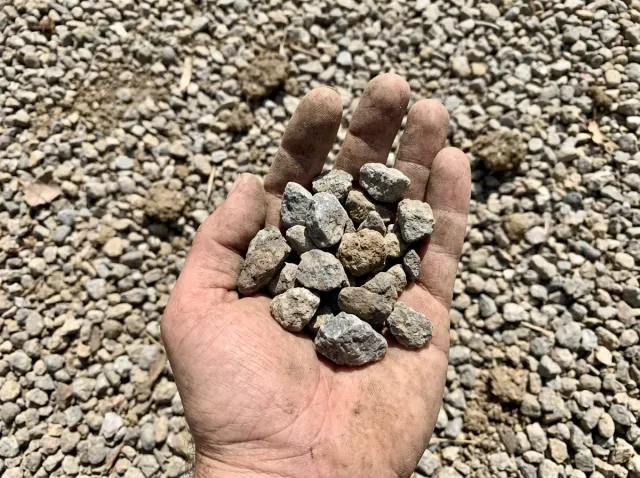
Drainage Rock Calculator
This calculator estimates drainage gravel for French drains, yard drainage, and erosion control. Factors in the 4-6 inch depth most systems need.
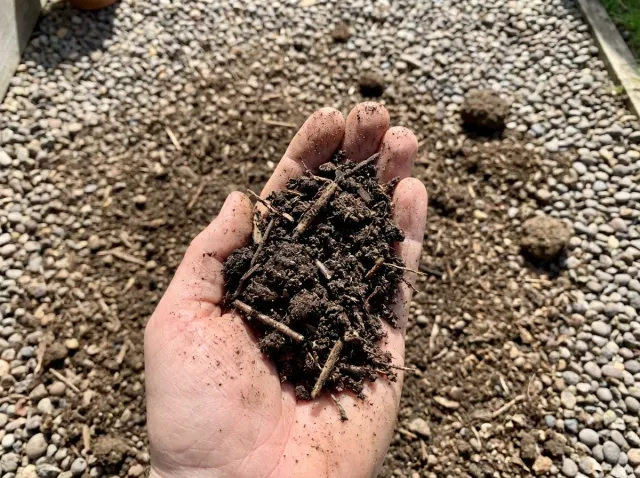
Compost Calculator
Estimate compost volume with this calculator for top-dressing, soil amendment, or new beds. Enter your square footage and desired depth for cubic yards.
Frequently Asked Questions
What is a rain garden and what does it actually do?
A rain garden is a shallow, planted depression built to capture stormwater runoff from rooftops, driveways, and other hard surfaces. Instead of letting that water rush into storm drains or cause erosion across your yard, a rain garden directs it into a specially designed basin where it slowly soaks into the ground. The result is less flooding, fewer pollutants reaching local waterways, and healthier groundwater recharge on your own property. What makes a rain garden work is not just the plants, it is the engineered layers underneath them. A properly built rain garden depends on a clean gravel drainage layer at the bottom, a well amended sandy soil mix in the middle, and often decorative stone around the inlet and overflow channels to control fast moving water. Without the right aggregate foundation, even a beautifully planted rain garden will sit waterlogged and fail to drain the way it should. That is where Hello Gravel comes in. We supply the drainage gravel, coarse sand, and decorative stone that give your rain garden its structure and performance.
How far away from my house should a rain garden be?
The standard recommendation is to place your rain garden at least 10 feet from your home's foundation. Any closer and you risk directing water toward your basement or crawl space, which defeats the purpose entirely. You should also keep the garden at least 25 feet from any septic system or private well, and always check for buried utility lines before you dig. Beyond those minimum distances, the best spot for a rain garden is a natural low point in your yard where runoff already tends to flow. If your yard has a slope, positioning the garden to intercept water as it moves downhill makes the whole system more efficient. Just avoid any area that stays wet for days after a normal rainstorm, since that is a sign the native soil beneath it drains poorly. A good site drains on its own within a day or two after rain, which means your rain garden will perform reliably instead of staying flooded.
How deep does a rain garden need to be, and what layers go inside it?
A typical rain garden is excavated to a total depth of 18 to 24 inches. That depth is not arbitrary. It is what you need to fit the three functional layers that make the garden work. The bottom layer is a drainage gravel bed, usually 6 to 12 inches deep. This is where most of the water storage and infiltration happens, and it needs to be built with clean, washed crushed stone or gravel so water can move through it freely. Above that goes 12 to 18 inches of amended planting soil, typically a blend of coarse sand, native topsoil, and compost. This layer supports plant growth while still allowing good drainage. The top inch or two is usually mulch or decorative stone to protect the soil surface and slow incoming water during heavy rain events. Getting the depth right matters more than most people realize. Too shallow and water will pond on the surface. Too deep and the planting zone becomes difficult to establish and maintain. Use the Hello Gravel calculator on this page to work out your material quantities once you have your dimensions planned out.
What aggregate materials does a rain garden require?
There are three types of aggregate that go into a well built rain garden, and Hello Gravel can supply all of them in bulk. The first is drainage gravel for the bottom layer. You want a clean, washed crushed stone in the 3/4 inch to 1.5 inch size range. It should be angular rather than smooth so the pieces interlock and hold their position, and it needs to be free of fine particles that would clog the drainage spaces over time. This layer is the backbone of your rain garden's performance. The second material is coarse sand, which forms the major component of your amended planting soil. A proven rain garden soil mix runs about 50 to 60 percent coarse sand, blended with compost and topsoil. That blend drains quickly during storms while still holding enough nutrients and structure for plants to establish healthy root systems. The third material is decorative stone or river rock, which is used at the inlet where water enters the garden and at the overflow outlet where excess water exits. These high velocity zones need stone protection to prevent erosion and keep the structure intact over time. If you leave those areas as bare soil or mulch, water will eventually carve channels through them and undermine the whole design.
How much gravel and sand will I need for my rain garden?
Your quantities depend on the size and depth of your specific rain garden, so it helps to run the numbers against your actual dimensions. That said, here are some general figures to give you a realistic starting point. For a 200 square foot rain garden with a 6 inch drainage gravel layer, you are looking at roughly 2 to 3 tons of crushed stone. If you build that gravel layer out to 10 or 12 inches, which is the better choice for larger drainage areas, expect to need 4 to 5 tons. For the amended soil layer, if you are blending a 15 inch planting zone from scratch over that same 200 square feet, you may need 3 to 5 tons of coarse sand depending on how much native topsoil you are incorporating into the mix. These are starting estimates, not exact figures. Your actual numbers will shift based on your excavation depth, the shape of your garden, and how you are mixing the planting soil. The Hello Gravel calculator on this page will give you a more precise result once you enter your measurements. All materials are delivered by the truckload, so it is worth dialing in your quantities before you place your order.
More Project Calculators
Playground Calculator
This calculator estimates mulch, rubber, or wood fiber surfacing for playgrounds. Enter area and recommended depth to get cubic yards and tons.
Chicken Coop Calculator
Use this calculator to estimate how much gravel your coop base requires. Input dimensions and depth for volume in cubic yards and stone type guidance.
Basketball Court Calculator
Court base calculator — estimate gravel, sand, and sub-base quantities for backyard or regulation basketball courts. Input court size for material totals.

Tennis Court Calculator
Use this calculator to estimate the crushed stone base for a new or resurfaced tennis court. Enter dimensions and depth for volume and tonnage.
Delivery Logistics & Truck Info
Know your delivery options and access requirements before scheduling your order.
Truck Capacities
- Standard Dump Truck10–14 tons
- Tandem Axle14–18 tons
- Semi End Dump20–25 tons
A standard cubic yard weighs approximately 2,000–2,700 lbs depending on material and moisture.
Site Access Requirements
- Trucks require a minimum 12-ft wide, overhead-clear access path
- Soft ground or slopes over 10% may limit truck access — contact us before ordering
- Ensure no underground utilities or irrigation lines are in the drop zone
- Mark your desired drop location clearly before delivery
Important Notes
- Delivery estimates are based on available inventory and route proximity
- Minimum order quantities apply — typically 5 cubic yards or 1 truckload
- Material certification is available upon request for permitted projects
- Always confirm local ordinances before major material placement