
Pier Foundation Calculator
— How Much Do You Need?
Pier foundation calculator — quick concrete, gravel and rebar volume estimates per pier or job.
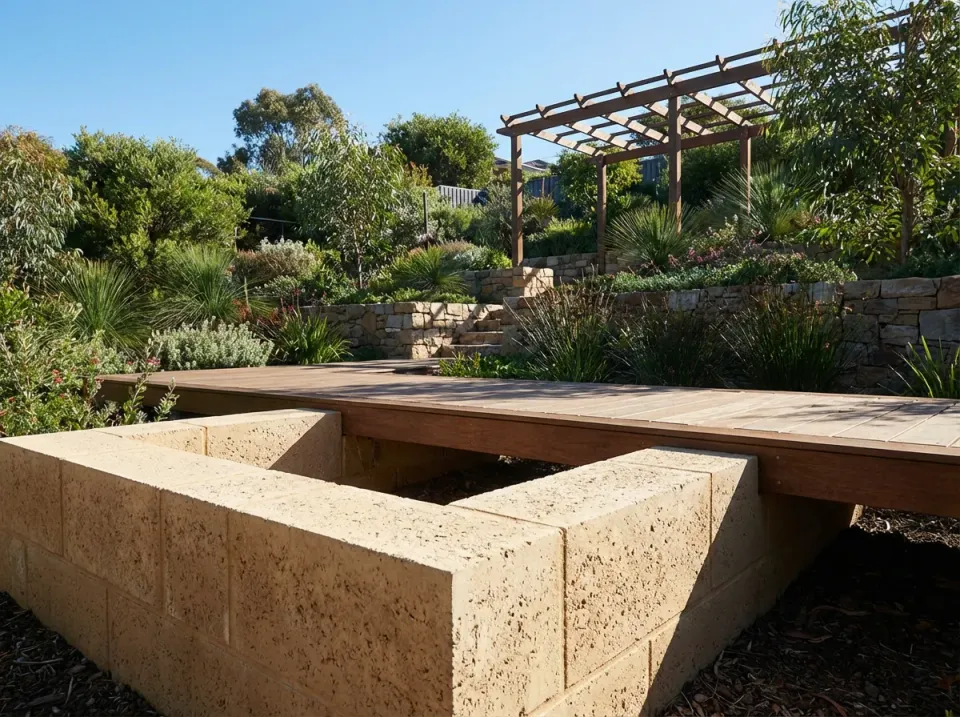
How to Use This Pier Foundation Calculator
Planning a pier foundation requires precise measurements to ensure you order enough material without overspending.
- 1 Measure Area: Measure the length and width of your planned pier foundation area in feet.
- 2 Determine Depth: For most pier foundation projects, a depth of 4 to 6 inches is recommended for stability.
- 3 Review Results: The calculator provides both cubic yards (for bulk volume) and tons (for ordering weight).
Common Materials for Pier Foundations
Selecting the right base aggregate for pier holes is critical to ensuring proper drainage, a stable level bearing surface, and even load distribution beneath each concrete footing.
| Material | Description | Best For | Est. Cost |
|---|---|---|---|
| #57 Crushed Stone | Angular, 3/4-inch crushed limestone or granite particles that compact firmly while maintaining drainage voids. | Pier Hole Base Layer, Drainage Below Footing, Load-Bearing Subbase | $$ |
| Pea Gravel | Small, rounded 3/8-inch smooth stone particles with minimal angularity and good flow characteristics. | Pier Hole Base Layer, Drainage, Limited Compaction Applications | $ |
| Crusher Run (QP) | A blend of crushed stone particles and stone dust ranging from 3/4-inch down to fines that binds and compacts tightly. | Compacted Subbase, Backfill Around Piers, Not Drainage Layer | $ |
| #4 Crushed Stone | Coarse, angular crushed stone particles approximately 1.5 inches in size with high void ratio. | Deep Pier Hole Drainage, High Water Table Sites, rarely recommended | $$ |
Understanding the Cost
Several factors influence the final price of your pier foundation project.
Material Volume
The dimensions of your project directly dictate the tonnage needed. Deeper bases require significantly more material.
Delivery Distance
Transport logistics play a major role. Being closer to the quarry or depot reduces delivery fees significantly.
Material Type
Decorative stones cost more than utility grades. Choose based on your project's functional and aesthetic requirements.
Recommended Products for Your Pier Foundation
Gravel Calculator
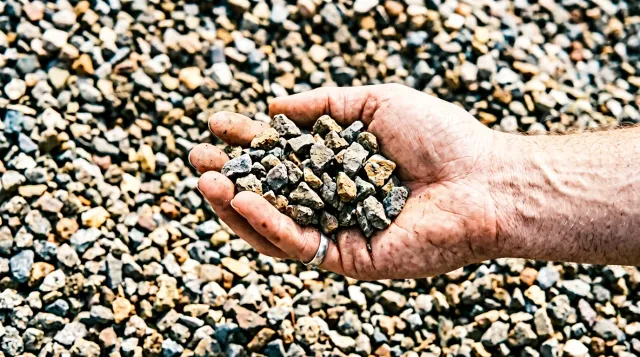
This gravel calculator estimates cubic yards, tons, and coverage for any area. Enter dimensions and depth for driveways, patios, paths, and landscaping.
Fill Dirt Calculator
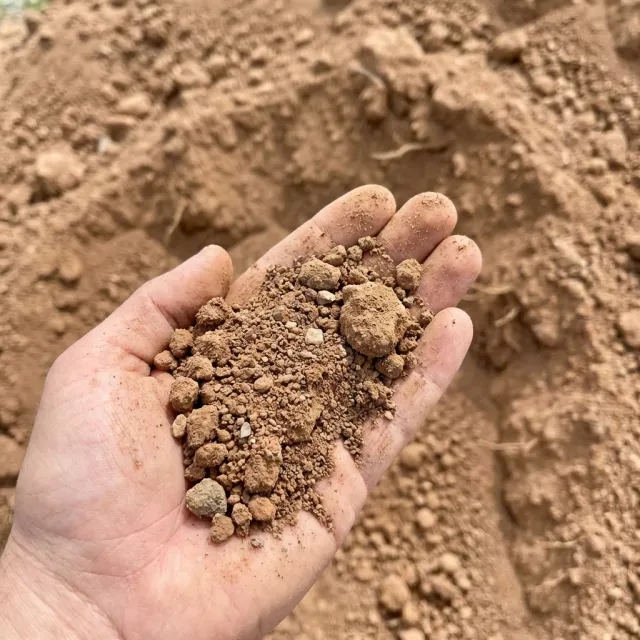
This calculator estimates fill dirt volume with a built-in compaction factor so you order enough. Works for grading, foundations, and backfill projects.
Crushed Stone Calculator
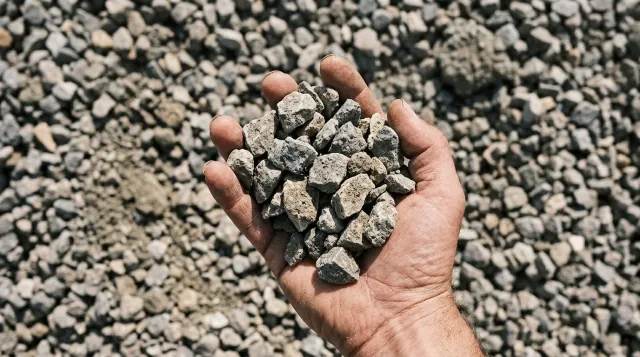
This calculator estimates crushed stone quantity and weight. Enter dimensions for results in cubic feet, cubic yards, and tons with density factored in.
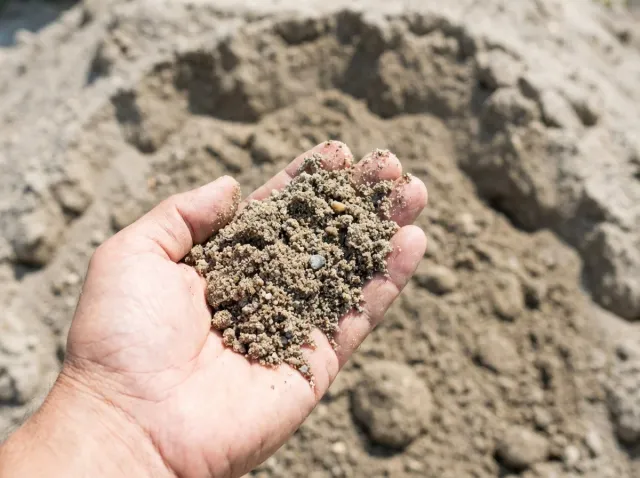
Concrete Sand Calculator
Concrete sand calculator — estimate volume and weight based on your project's length, width, and depth. Results in cubic yards and tons, ready for ordering.
Frequently Asked Questions
What is a pier foundation?
A pier foundation is a structural support system that uses vertical columns, called piers, to transfer the weight of a building down to stable soil or bedrock below the surface. Instead of spreading that load across a continuous slab, piers concentrate it at specific points, which makes them well suited for sloped terrain, soft or unstable soil, and areas with high moisture or expansive clay. Pier foundations are commonly used under houses, decks, porches, sheds, and light commercial structures. Each pier is typically formed from poured concrete, though steel and masonry piers exist as well. Aggregate materials play an important supporting role throughout a pier foundation project. Clean gravel or crushed stone is placed at the base of each pier hole to promote drainage and prevent moisture from collecting under the concrete. For pier and beam houses, gravel is also spread across the crawl space floor to manage moisture and improve drainage under the entire structure. Fill dirt and crushed stone are often needed for grading and backfill once the piers are set. Hello Gravel supplies all of these materials in bulk by the truckload, making it straightforward to get everything you need in one order.
What are the two main types of pier foundations?
The two main types are drilled pier foundations and driven pier foundations. Drilled piers, sometimes called bored piers or caissons, are by far the more common choice for residential and light commercial construction. A hole is augered or drilled into the ground to the required depth, a layer of gravel is placed at the base for drainage and stability, and then concrete is poured to form the column. These work well in most soil types and can reach depths of 10 to 20 feet or more depending on local frost depth and soil conditions. Driven piers are pushed or hammered into the ground using specialized equipment rather than drilled. They tend to be used in commercial and industrial applications or in situations where soil conditions make drilling impractical. For most homeowners and contractors, the drilled method is the standard approach, and gravel plays a key role in every single pier hole before any concrete is poured. If you are planning a multi-pier project and want to estimate how much gravel you will need across all your holes, the Hello Gravel calculator is a great place to start.
How deep should pier foundations be?
Pier depth is determined by three main factors: the frost line in your region, the type of soil beneath your site, and the load the pier needs to support. In cold northern climates, piers must extend below the local frost line to prevent the ground from shifting during freeze-thaw cycles and pushing the pier out of alignment. Depending on where you are building, that can mean depths of 42 to 60 inches or more. In warmer southern states where frost is not a concern, piers as shallow as 18 to 24 inches may be acceptable for lighter structures like decks or storage sheds. For larger or heavier structures, piers often need to reach stable subsoil or bedrock, which can push the required depth well beyond frost line requirements. Your local building code will specify the minimum depth for your area, so always check before you dig. From a materials planning standpoint, deeper piers mean more gravel at the base of each hole and more backfill material around each pier once it is set. If you are working on a multi-pier project, use the Hello Gravel calculator to estimate your total aggregate needs based on pier count, hole diameter, and depth. The team is also available to help you work through the numbers if your project has a lot of moving parts.
Is a pier foundation cheaper than a concrete slab?
In many cases, yes. A pier foundation can cost significantly less than a full concrete slab, particularly on sloped or uneven terrain where extensive grading and forming would otherwise be required. With a slab, you are paying for continuous concrete coverage across the entire footprint of the structure. With a pier foundation, material is concentrated only where structural support is needed. That typically means less excavation, less concrete volume, and a simpler overall build. That said, the cost comparison shifts depending on your specific conditions. On flat, stable ground, a slab can sometimes be the more economical choice simply because of its straightforward installation. On challenging terrain, in areas with expansive or soft soils, or where drainage is a concern, pier foundations tend to win on both cost and practicality. One area where pier foundations consistently offer strong value is in aggregate savings. The gravel base under each pier and the crushed stone throughout the crawl space represent a relatively small material cost compared to what a full slab requires. Hello Gravel makes it easy to get that aggregate delivered to your site at upfront pricing with no hidden fees. Use the calculator on the product page to see what your project would require, or reach out to the team for help planning your order.
How long does a pier foundation last, and is it a permanent structure?
A properly built pier foundation is a permanent structure. When piers are correctly sized, installed below the frost line, and set on a stable gravel base, they can last 50 to 100 years or more with minimal maintenance. The factors that most affect longevity are installation depth, drainage, and concrete quality. Piers that do not reach below the frost line are vulnerable to seasonal movement. Piers that sit in poorly drained soil are at risk of moisture-related deterioration and settling over time. A clean gravel base at the bottom of each pier hole addresses both concerns by encouraging water to drain away from the concrete instead of collecting around it. Some people associate pier foundations with older or less stable homes, but that reputation tends to come from aging structures built before modern codes and materials were standard, not from the foundation type itself. A modern, code-compliant pier foundation built on a proper aggregate base is as durable and reliable as any other foundation system. If you want to give your piers the best chance at a long service life, the gravel base is one of the most important and cost-effective steps in the process. Hello Gravel supplies the clean crushed stone and gravel for that base layer in bulk, delivered directly to your site.
More Project Calculators

Playground Calculator
This calculator estimates mulch, rubber, or wood fiber surfacing for playgrounds. Enter area and recommended depth to get cubic yards and tons.
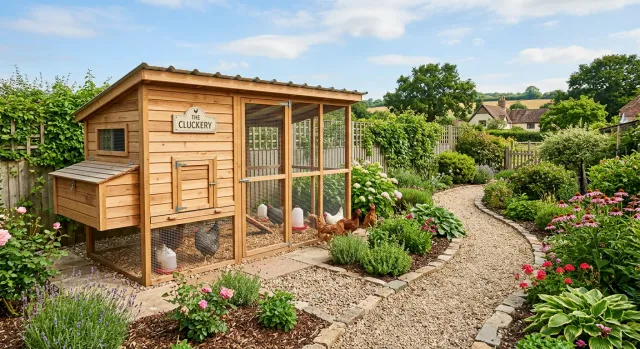
Chicken Coop Calculator
Use this calculator to estimate how much gravel your coop base requires. Input dimensions and depth for volume in cubic yards and stone type guidance.
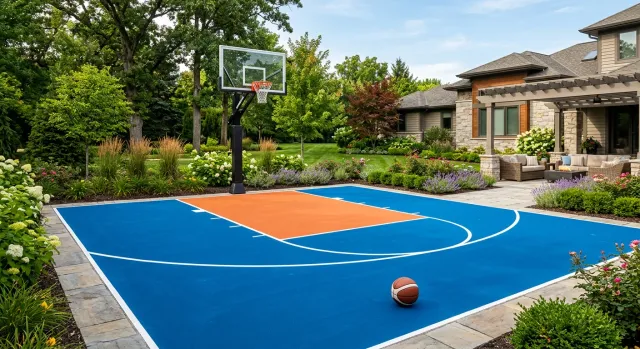
Basketball Court Calculator
Court base calculator — estimate gravel, sand, and sub-base quantities for backyard or regulation basketball courts. Input court size for material totals.

Tennis Court Calculator
Use this calculator to estimate the crushed stone base for a new or resurfaced tennis court. Enter dimensions and depth for volume and tonnage.
Delivery Logistics & Truck Info
Know your delivery options and access requirements before scheduling your order.
Truck Capacities
- Standard Dump Truck10–14 tons
- Tandem Axle14–18 tons
- Semi End Dump20–25 tons
A standard cubic yard weighs approximately 2,000–2,700 lbs depending on material and moisture.
Site Access Requirements
- Trucks require a minimum 12-ft wide, overhead-clear access path
- Soft ground or slopes over 10% may limit truck access — contact us before ordering
- Ensure no underground utilities or irrigation lines are in the drop zone
- Mark your desired drop location clearly before delivery
Important Notes
- Delivery estimates are based on available inventory and route proximity
- Minimum order quantities apply — typically 5 cubic yards or 1 truckload
- Material certification is available upon request for permitted projects
- Always confirm local ordinances before major material placement