
Outdoor Shower Calculator
— How Much Do You Need?
Calculate gravel, sand, and base for your outdoor shower — instant pricing and truckload delivery.
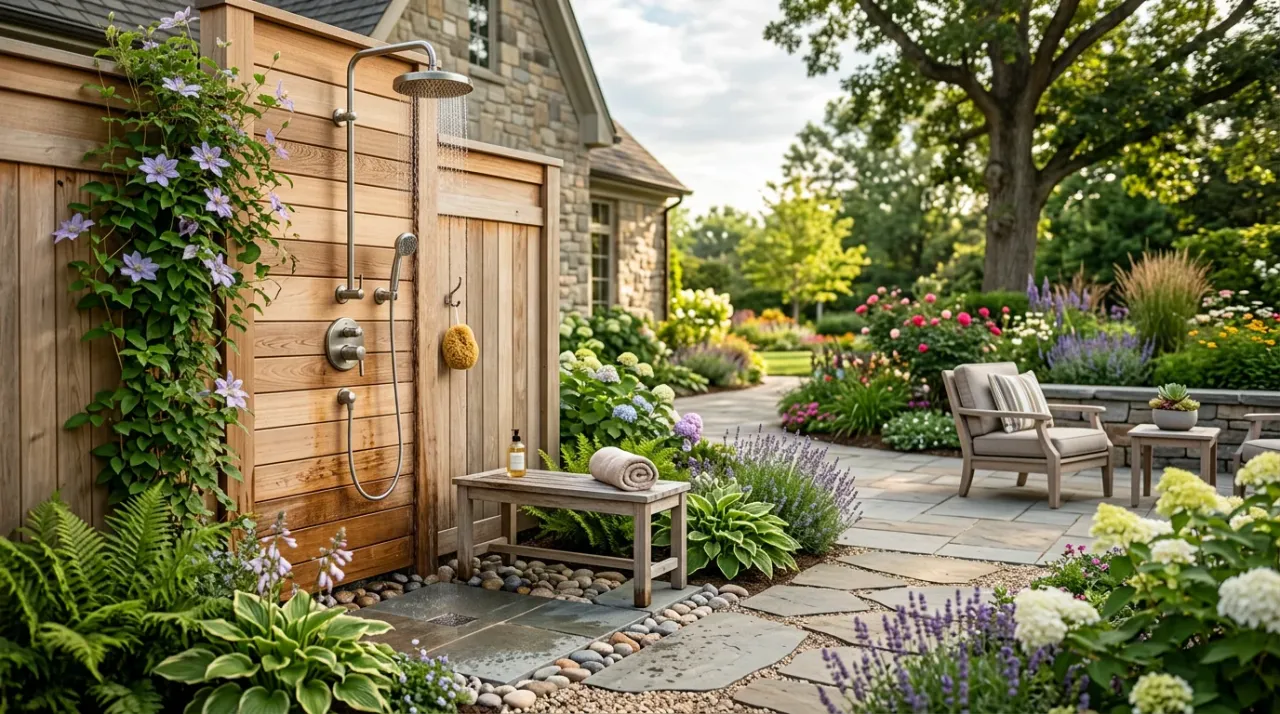
How to Use This Outdoor Shower Calculator
Planning a outdoor shower requires precise measurements to ensure you order enough material without overspending.
- 1 Measure Area: Measure the length and width of your planned outdoor shower area in feet.
- 2 Determine Depth: For most outdoor shower projects, a depth of 4 to 6 inches is recommended for stability.
- 3 Review Results: The calculator provides both cubic yards (for bulk volume) and tons (for ordering weight).
Common Materials for Outdoor Showers
Choosing the right aggregate materials ensures proper drainage and long-term stability in outdoor shower installations, preventing pooling, erosion, and structural settling.
| Material | Description | Best For | Est. Cost |
|---|---|---|---|
| #57 Crushed Stone | Angular, 3/4-inch crushed limestone or granite that resists compaction while allowing rapid water infiltration. | French Drain Base, Permeable Shower Floor, High-Traffic Drainage | $ |
| Pea Gravel | Smooth, rounded stones ranging from 3/8 to 1/2 inch in diameter, typically composed of natural river-worn rock. | Top Dressing Layer, Foot-Comfort Surface, Under Grates or Slabs | $$ |
| Coarse Washed Sand | Clean, coarse-grained silica sand with particles typically between 0.5 mm and 2 mm, free of silt and clay fines. | Leveling Bed, Under Tile or Stone, Fine Filtration Layer | $ |
| Fill Dirt | Native or imported subsoil material used for grading, composed of clay, silt, and sand with minimal organic content. | Site Grading, Drainage Slope Establishment, Limited Use | $ |
Understanding the Cost
Several factors influence the final price of your outdoor shower project.
Material Volume
The dimensions of your project directly dictate the tonnage needed. Deeper bases require significantly more material.
Delivery Distance
Transport logistics play a major role. Being closer to the quarry or depot reduces delivery fees significantly.
Material Type
Decorative stones cost more than utility grades. Choose based on your project's functional and aesthetic requirements.
Recommended Products for Your Outdoor Shower
Gravel Calculator
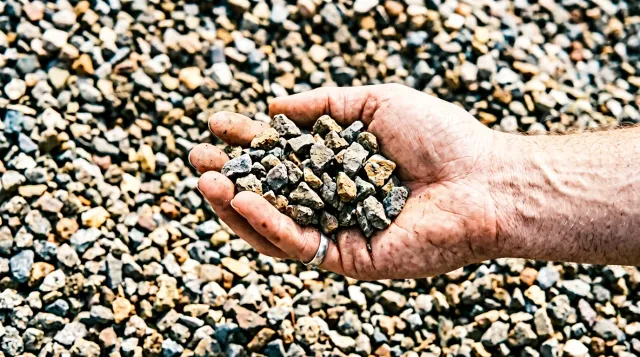
This gravel calculator estimates cubic yards, tons, and coverage for any area. Enter dimensions and depth for driveways, patios, paths, and landscaping.
Pea Gravel Calculator
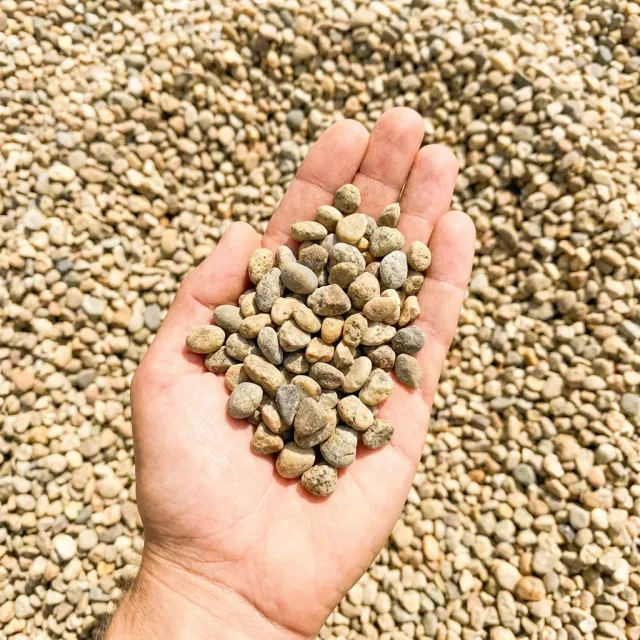
Pea gravel calculator — enter your project dimensions to estimate volume in cubic yards, tons, and bags. Ideal for pathways, patios, and ground cover.
River Rock Calculator
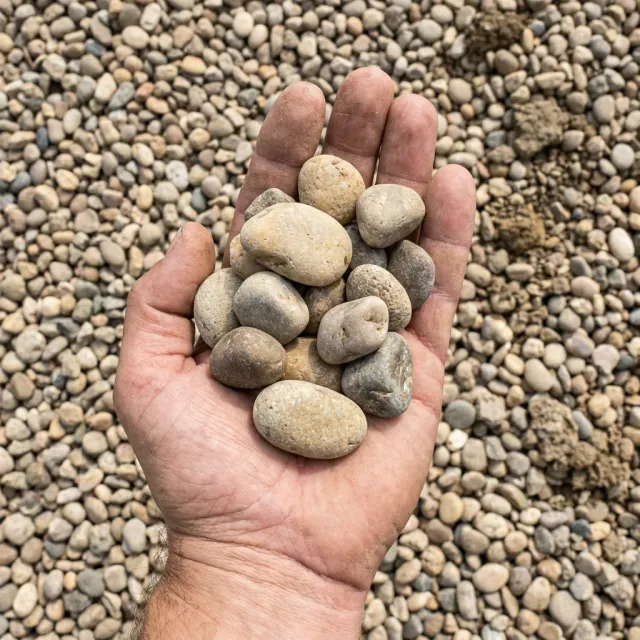
This calculator estimates river rock by the ton for flowerbeds, dry creek beds, and borders. Adjusts for rock size — larger stones cover less per ton.
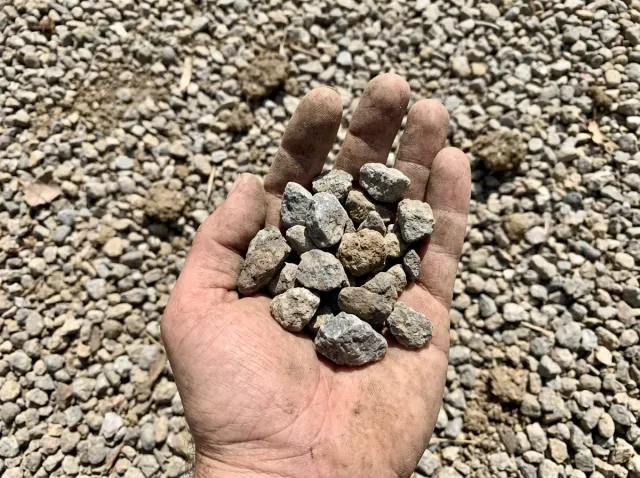
Drainage Rock Calculator
This calculator estimates drainage gravel for French drains, yard drainage, and erosion control. Factors in the 4-6 inch depth most systems need.
Frequently Asked Questions
What should you put under an outdoor shower for proper drainage?
Gravel is the go-to material for drainage beneath an outdoor shower, and getting this layer right makes a big difference in how well the setup holds up. Excavating the shower footprint to a depth of 6 to 12 inches and filling with clean crushed stone is common. Angular crushed stone, such as #57 stone, works well because the irregular edges lock together, creating a stable and permeable base that channels water away from the surface. For the top layer you stand on, use pea gravel. It is small, rounded, and drains quickly, making a comfortable walking surface. A typical setup layers crushed stone on the bottom for drainage, with a couple of inches of pea gravel on top for comfort. If your soil drains poorly or you expect high use, consider extending the gravel bed outward to give water more area to disperse. The Hello Gravel calculator can help you estimate material needs based on your exact dimensions.
What type of gravel works best as an outdoor shower floor surface?
Pea gravel is the most popular choice for outdoor shower floors. It is small, around 3/8 inch, rounded, and smooth enough to walk on barefoot. It drains well, dries quickly, and looks natural with wood or stone surroundings. For the drainage base, use angular crushed stone like #57. The best result is to have crushed stone underneath and pea gravel on top, typically 2 to 3 inches of pea gravel on the walking surface.
How deep should a gravel drainage bed be under an outdoor shower?
For most outdoor showers, a drainage bed of 6 to 12 inches works well. The right depth for your project depends largely on how well your native soil drains on its own. Sandy or loamy soil that already moves water quickly may only need 6 inches of crushed stone beneath the shower area. Dense clay soil that holds water and drains slowly will benefit from going deeper, often 10 to 12 inches or more, so the gravel bed has enough capacity to handle the water load without becoming saturated. Beyond soil type, think about how often the shower will be used. A rinse-off shower used a few times a week after yard work has a much lighter drainage load than a primary outdoor shower used by multiple family members every day. Higher use calls for more drainage depth and sometimes a wider footprint. If you are building in a low spot or an area where water tends to collect naturally, consider extending the gravel bed outward several feet beyond the shower itself to spread the water over a larger absorption area. This can make a big difference in preventing soggy spots and standing water near your shower. Use the Hello Gravel calculator to estimate material quantities once you have settled on your depth and footprint dimensions.
How much gravel do I need for an outdoor shower project?
The total amount of gravel you need comes down to the size of your shower footprint, how deep you go with the drainage bed, and whether you are adding a separate surface layer of pea gravel on top. As a practical example, a 6x6 foot drainage area at 6 inches of depth requires roughly 0.7 cubic yards of crushed stone. At 12 inches of depth, that same footprint needs about 1.3 cubic yards. If you are topping the drainage bed with 3 inches of pea gravel across that same 6x6-foot area, add about 0.3 cubic yards or so to your total. That puts a typical single outdoor shower project somewhere in the range of 1 to 1.5 cubic yards of aggregate in total, depending on depth and surface coverage. Keep in mind that many homeowners combine their outdoor shower project with nearby landscaping work, such as a gravel path, a garden border, or a patio base, so you can make full use of your delivery. If you are ordering materials for multiple areas at once, the Hello Gravel calculator lets you add up all your dimensions and get a combined estimate so you only need one delivery. Enter your measurements and it will do the math for you.
Does an outdoor shower need a formal drain, or can a gravel bed handle drainage on its own?
In many residential settings, a well-built gravel bed does the job on its own without a formal drain. When you excavate the shower area and fill it with clean crushed stone, you are creating a permeable reservoir that absorbs water and moves it gradually into the surrounding soil. For a shower used a few times a week in a yard with reasonably good drainage, this is often all you need. That said, there are situations where a gravel bed alone is not enough. Heavy clay soil that drains slowly can become saturated over time, especially if the shower is used daily or in a high-rainfall area. In those cases, connecting to a French drain or extending the bed further into your yard can help move water farther away from the shower. It is also worth checking your local building codes before you finalize your drainage plan. Some municipalities regulate where outdoor shower water can be directed. A gravel drainage bed is a solid foundation for any outdoor shower plan, but your site conditions and local rules may shape what else is needed.
More Project Calculators
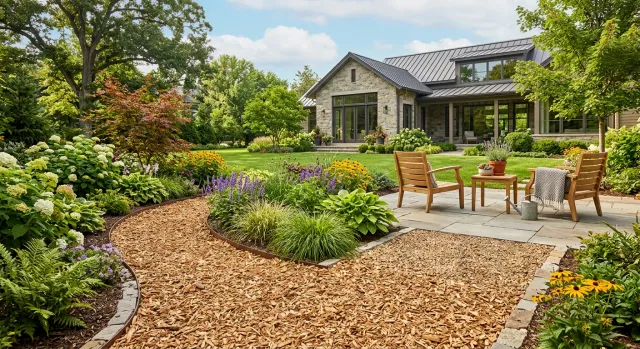
Playground Calculator
This calculator estimates mulch, rubber, or wood fiber surfacing for playgrounds. Enter area and recommended depth to get cubic yards and tons.
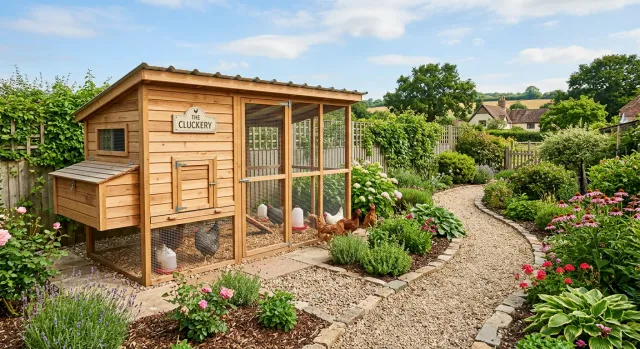
Chicken Coop Calculator
Use this calculator to estimate how much gravel your coop base requires. Input dimensions and depth for volume in cubic yards and stone type guidance.
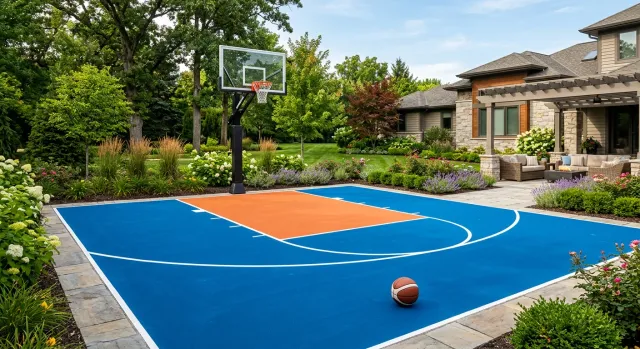
Basketball Court Calculator
Court base calculator — estimate gravel, sand, and sub-base quantities for backyard or regulation basketball courts. Input court size for material totals.
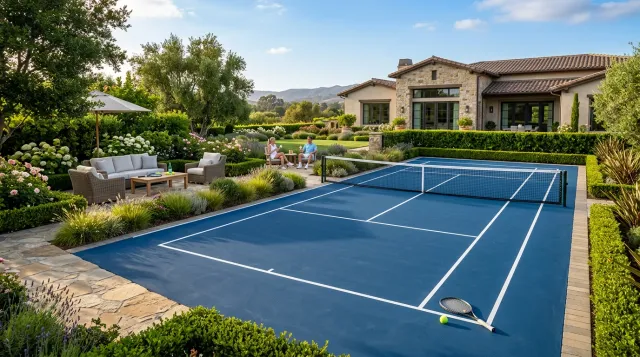
Tennis Court Calculator
Use this calculator to estimate the crushed stone base for a new or resurfaced tennis court. Enter dimensions and depth for volume and tonnage.
Delivery Logistics & Truck Info
Know your delivery options and access requirements before scheduling your order.
Truck Capacities
- Standard Dump Truck10–14 tons
- Tandem Axle14–18 tons
- Semi End Dump20–25 tons
A standard cubic yard weighs approximately 2,000–2,700 lbs depending on material and moisture.
Site Access Requirements
- Trucks require a minimum 12-ft wide, overhead-clear access path
- Soft ground or slopes over 10% may limit truck access — contact us before ordering
- Ensure no underground utilities or irrigation lines are in the drop zone
- Mark your desired drop location clearly before delivery
Important Notes
- Delivery estimates are based on available inventory and route proximity
- Minimum order quantities apply — typically 5 cubic yards or 1 truckload
- Material certification is available upon request for permitted projects
- Always confirm local ordinances before major material placement