
Outdoor Kitchen Calculator
— How Much Do You Need?
Quickly calculate gravel, sand, and base material needs plus truck delivery for your outdoor kitchen.
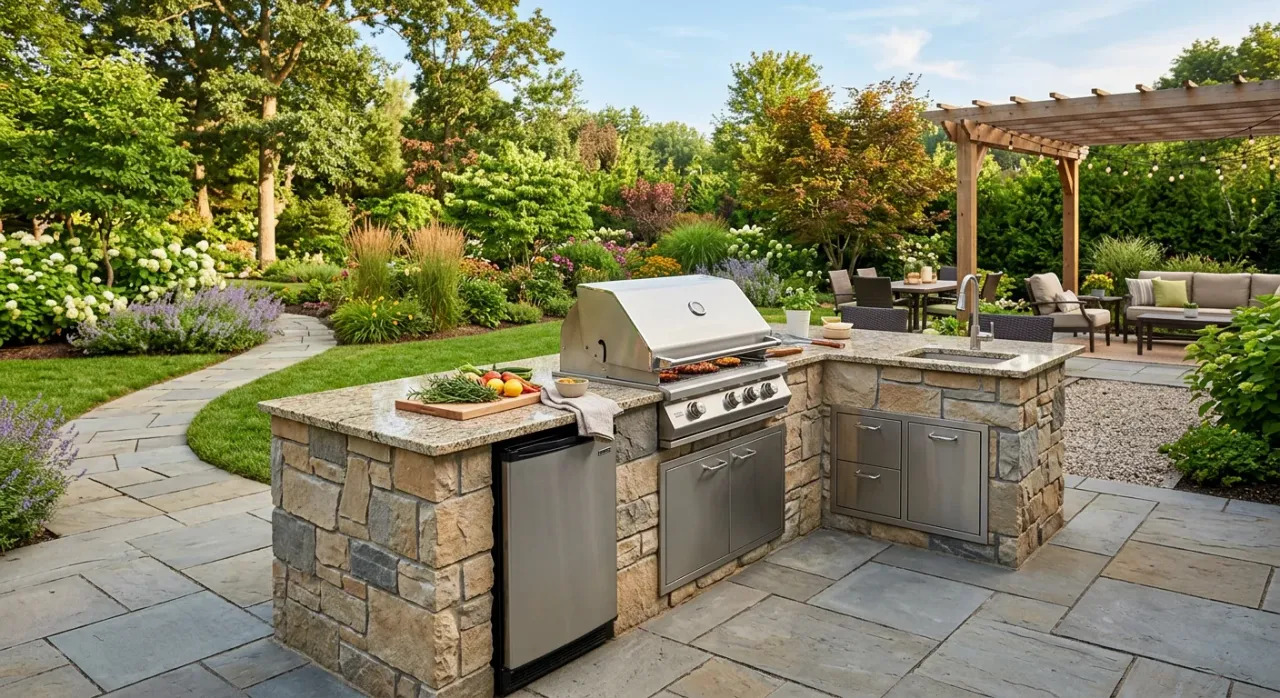
How to Use This Outdoor Kitchen Calculator
Planning a outdoor kitchen requires precise measurements to ensure you order enough material without overspending.
- 1 Measure Area: Measure the length and width of your planned outdoor kitchen area in feet.
- 2 Determine Depth: For most outdoor kitchen projects, a depth of 4 to 6 inches is recommended for stability.
- 3 Review Results: The calculator provides both cubic yards (for bulk volume) and tons (for ordering weight).
Common Materials for Outdoor Kitchens
Proper material selection for base and drainage layers is critical to ensuring long-term structural stability and preventing settling under the heavy appliance loads typical of outdoor kitchens.
| Material | Description | Best For | Est. Cost |
|---|---|---|---|
| Crusher Run (QP) | Angular crushed stone and stone dust blend, typically 3/4-inch minus, that compacts tightly into a dense, interlocked surface. | Compacted Sub-Base, Slab-on-Grade Foundation, Load-Bearing Pad, Footing Base | $ |
| #57 Crushed Stone | Clean, angular 3/4-inch crushed stone with minimal fines that allows free drainage between particles. | Drainage Layer, Base Layer Under Slab, Utility Backfill | $$ |
| Concrete Sand | Coarse, washed sharp sand with angular grains sized between 0.3 and 2 mm, suitable for mixing or leveling applications. | Paver Leveling Course, Mortar Mix, Surface Bedding | $ |
| Fill Dirt | Naturally occurring soil and subsoil material, free of organics, used as bulk engineered fill to raise or stabilize grade. | Sub-Base Build-Up, Grade Correction, Limited Use Under Slabs | $ |
Understanding the Cost
Several factors influence the final price of your outdoor kitchen project.
Material Volume
The dimensions of your project directly dictate the tonnage needed. Deeper bases require significantly more material.
Delivery Distance
Transport logistics play a major role. Being closer to the quarry or depot reduces delivery fees significantly.
Material Type
Decorative stones cost more than utility grades. Choose based on your project's functional and aesthetic requirements.
Recommended Products for Your Outdoor Kitchen
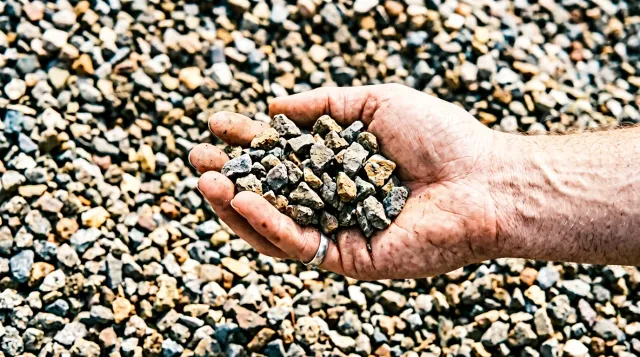
Gravel Calculator
This gravel calculator estimates cubic yards, tons, and coverage for any area. Enter dimensions and depth for driveways, patios, paths, and landscaping.
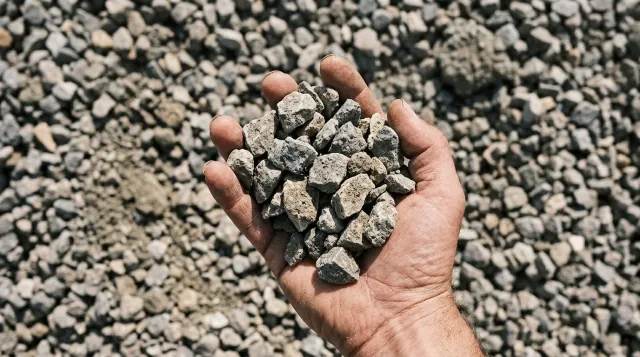
Crushed Stone Calculator
This calculator estimates crushed stone quantity and weight. Enter dimensions for results in cubic feet, cubic yards, and tons with density factored in.
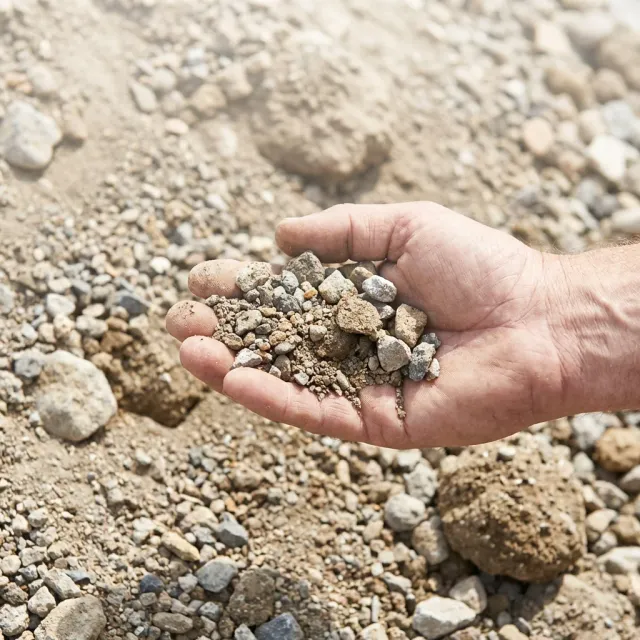
Road Base Calculator
Road base calculator — enter length, width, and depth to estimate volume and tonnage for crushed limestone, recycled concrete, and aggregate base.
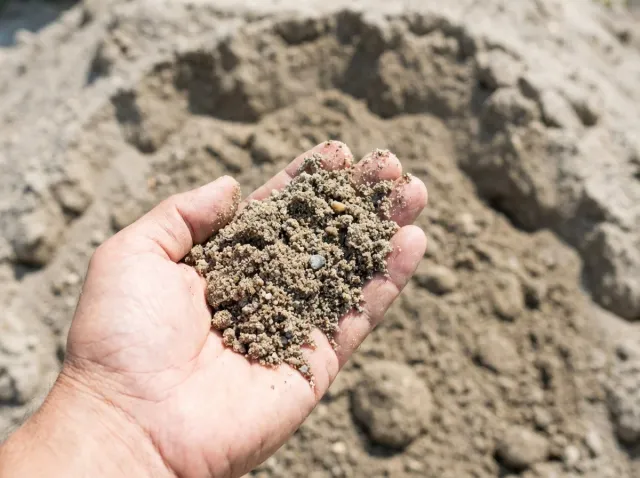
Concrete Sand Calculator
Concrete sand calculator — estimate volume and weight based on your project's length, width, and depth. Results in cubic yards and tons, ready for ordering.
Frequently Asked Questions
What aggregate materials do I need to build an outdoor kitchen?
Building a solid outdoor kitchen comes down to what you put underneath it just as much as what you put on top. The structure needs a stable, well drained foundation to stay level for years and resist shifting in freeze thaw cycles. Most outdoor kitchen builds use a combination of materials, and Hello Gravel can supply them by the truckload. The common setup starts with fill dirt to raise or level the site. Then a compacted sub-base of crusher run gravel or crushed concrete provides a dense, load bearing layer. On top of that, a layer of coarse sand or fine crushed stone is used as a bedding layer if you are setting pavers or flagstone. If you pour a concrete slab, the same sub-base goes beneath it. For surrounding patio or area, decorative options include pea gravel or decomposed granite. They drain well and finish the space nicely. Think of the aggregate layers as the bones of your outdoor kitchen. Use the Hello Gravel calculator to determine how much you need based on your project dimensions, or contact the Hello Gravel team for help.
How much crushed stone or gravel base do I need for an outdoor kitchen project?
The amount you need depends on a few things: the total square footage of the area you are working with, how deep your base layer needs to be, and whether you are also covering a surrounding patio or just the footprint of the kitchen structure itself. As a practical example, a 16-by-20-foot outdoor kitchen and patio area covers 320 square feet. At a compacted base depth of 4 inches, that project would require roughly 5 to 6 tons of crushed stone or crusher run gravel. If your soil is soft, sandy, or has poor drainage, many contractors recommend going to a 6-inch compacted depth, which would push that same area closer to 7 to 8 tons. Keep in mind these figures are for the base layer alone. If you are also adding a sand bedding layer for pavers, gravel for a drainage trench, or fill dirt to raise the grade before you start, your total material quantity goes up accordingly. Hello Gravel delivers by the truckload, so it is worth calculating all of your aggregate needs together before you order. That way you can often get everything on site in one delivery instead of staggering multiple loads. The Hello Gravel calculator makes it easy to plug in your dimensions and get a realistic tonnage estimate. If your project has multiple layers or unusual dimensions, the Hello Gravel team is happy to walk through the numbers with you directly.
What is the best base material for an outdoor kitchen patio or paver surface?
For most outdoor kitchen builds, crusher run gravel is the go to choice for the primary sub base layer. Crusher run is a blend of crushed stone and stone dust that compacts tightly and forms a rigid, stable surface. It handles weight well, sheds water instead of pooling it, and does not shift or heave the way loose soil or soft fill can over time. It is the same material used under driveways and commercial parking areas, so it is more than capable of supporting an outdoor kitchen structure, a grill island, and the regular foot traffic that comes with an outdoor entertaining space. If you are setting pavers or natural stone around your kitchen, the standard approach is to put down 4 to 6 inches of compacted crusher run first, then a 1-inch layer of coarse sand on top as a bedding layer to let you fine tune the levelness before the pavers go down. The sand layer is not a substitute for the compacted base beneath it. Both layers do different jobs. If you are working with a tighter budget, crushed concrete is a strong alternative to virgin crusher run. It compacts and drains similarly, and many experienced contractors use it for base work with excellent results. You can read more about that option in the question below. The worst thing you can use as a base is uncompacted soil, organic material, or anything that retains water and decomposes. Those choices lead to settling, cracking, and a tilted outdoor kitchen that becomes a much bigger problem to fix than it would have been to prevent. Start with the right material and your finished build will thank you for it.
How do you properly prepare the ground before building an outdoor kitchen?
Good site prep is the step that most homeowners wish they had spent more time on after the fact. Skipping or rushing it is one of the most common reasons outdoor kitchens settle, tilt, or develop drainage problems within the first few years. Start by removing all grass, topsoil, and organic material from the area where the kitchen and surrounding patio will sit. Topsoil and organic matter compress and decompose over time, which causes the surface above them to sink unevenly. You want to get down to firm, undisturbed subsoil or native ground. Depending on how thick the organic layer is, you might need to excavate 6 to 10 inches down to clear it. If your site is lower than the surrounding grade or you need to build it up to match a deck, door threshold, or existing patio, that is when fill dirt comes in. A clean fill with low organic content can be brought in and compacted in lifts to raise the area to your target elevation. This is also the stage where you want to think about how water will drain away from the kitchen, not toward it. A slight slope of about 1 inch for every 8 feet away from the structure is a sensible target. Once the subgrade is graded and compacted, your crushed stone sub-base goes down next, in lifts, with each layer compacted before the next is added. This is the stage that gives your finished surface its long term stability. Trying to compact a thick, loose pile all at once does not produce the same result as building it up layer by layer. If you are unsure how much fill dirt or gravel you need for the prep phase, the Hello Gravel calculator can give you a solid starting estimate based on your dimensions. The team can also help you think through sequencing if you are ordering multiple materials.
Why does drainage matter for an outdoor kitchen, and how does gravel help?
Water is the single biggest enemy of an outdoor kitchen's long term stability. When water pools under or around a structure, it softens the soil beneath the base, accelerates the freeze thaw cycle in cold climates, causes masonry and pavers to shift, and can work its way into joints and crack them from the inside out. A well designed drainage system is not a luxury for an outdoor kitchen, it is a basic requirement. Gravel is one of the most effective drainage tools you have available. Its loose, open structure allows water to move through it quickly rather than sitting on top or soaking into the soil directly beneath your structure. A gravel sub-base under your outdoor kitchen pad keeps moisture moving downward and away from the foundation, rather than letting it build up pressure underneath. For targeted drainage, a perimeter French drain filled with clean washed gravel routed to a low point in the yard can do a tremendous amount of work in preventing standing water near the kitchen. If your property has a high water table or heavy clay soil that does not drain naturally, this kind of trench drainage is often worth adding as part of the project. The area around and behind the kitchen matters too. Pea gravel or washed stone used in planting beds and borders adjacent to the outdoor kitchen keeps mulch and soil from washing onto your patio surface and clogging the gaps between pavers over time. If drainage is a real concern on your property, it is worth talking to a local contractor about your specific conditions. Hello Gravel can supply the drainage gravel you need, and the team can help you estimate quantities once you know the dimensions of your trench or bed.
More Project Calculators
Playground Calculator
This calculator estimates mulch, rubber, or wood fiber surfacing for playgrounds. Enter area and recommended depth to get cubic yards and tons.
Chicken Coop Calculator
Use this calculator to estimate how much gravel your coop base requires. Input dimensions and depth for volume in cubic yards and stone type guidance.
Basketball Court Calculator
Court base calculator — estimate gravel, sand, and sub-base quantities for backyard or regulation basketball courts. Input court size for material totals.
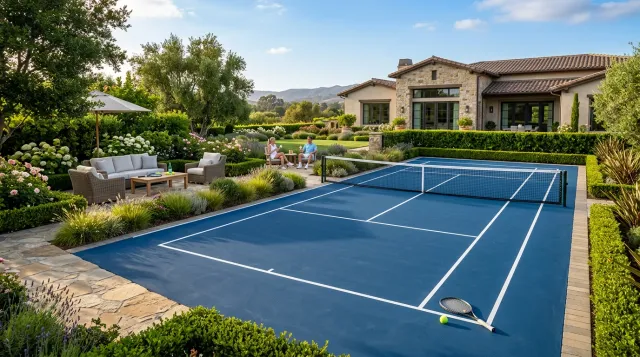
Tennis Court Calculator
Use this calculator to estimate the crushed stone base for a new or resurfaced tennis court. Enter dimensions and depth for volume and tonnage.
Delivery Logistics & Truck Info
Know your delivery options and access requirements before scheduling your order.
Truck Capacities
- Standard Dump Truck10–14 tons
- Tandem Axle14–18 tons
- Semi End Dump20–25 tons
A standard cubic yard weighs approximately 2,000–2,700 lbs depending on material and moisture.
Site Access Requirements
- Trucks require a minimum 12-ft wide, overhead-clear access path
- Soft ground or slopes over 10% may limit truck access — contact us before ordering
- Ensure no underground utilities or irrigation lines are in the drop zone
- Mark your desired drop location clearly before delivery
Important Notes
- Delivery estimates are based on available inventory and route proximity
- Minimum order quantities apply — typically 5 cubic yards or 1 truckload
- Material certification is available upon request for permitted projects
- Always confirm local ordinances before major material placement