
Outdoor Fireplace Calculator
— How Much Do You Need?
Calculate materials and truckload delivery for your outdoor fireplace—fast estimates and transparent pricing.
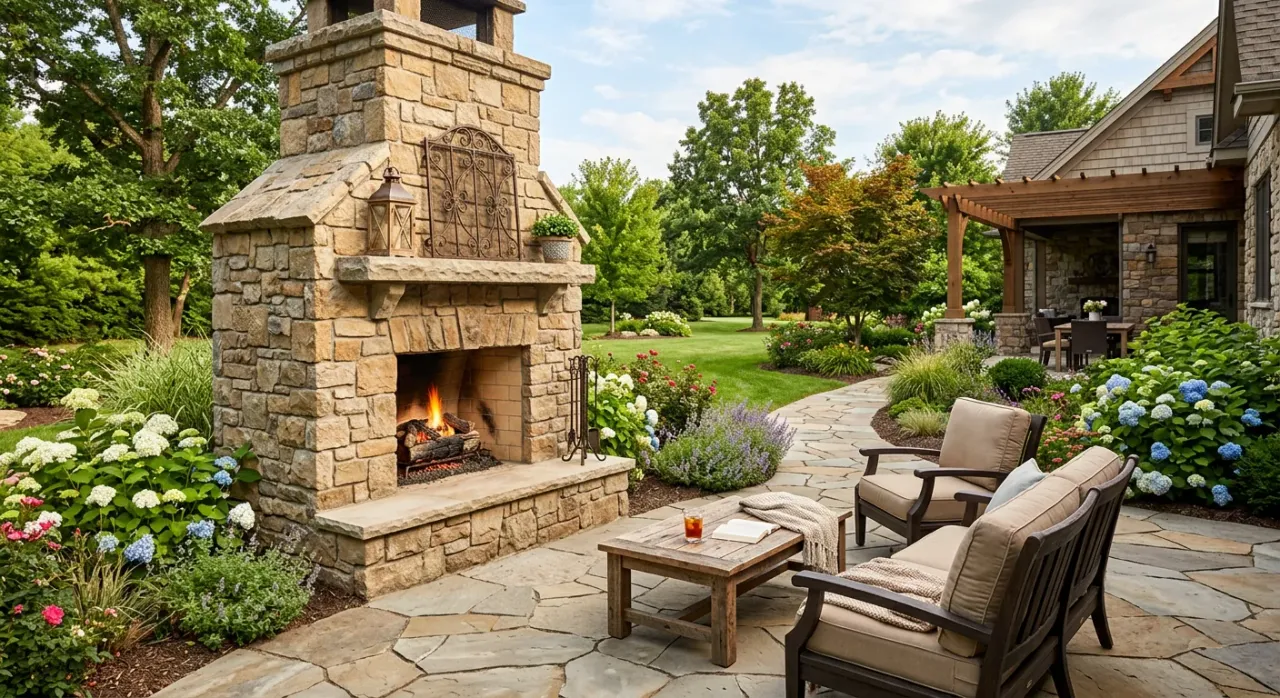
How to Use This Outdoor Fireplace Calculator
Planning a outdoor fireplace requires precise measurements to ensure you order enough material without overspending.
- 1 Measure Area: Measure the length and width of your planned outdoor fireplace area in feet.
- 2 Determine Depth: For most outdoor fireplace projects, a depth of 4 to 6 inches is recommended for stability.
- 3 Review Results: The calculator provides both cubic yards (for bulk volume) and tons (for ordering weight).
Common Materials for Outdoor Fireplaces
Selecting the right base and aggregate materials is critical for outdoor fireplace foundations, as proper compaction and drainage prevent soil settlement, water intrusion, and concrete cracking under heavy masonry loads.
| Material | Description | Best For | Est. Cost |
|---|---|---|---|
| Crusher Run (QP) | Blend of crushed stone and stone dust ranging from 3/4 inch down to fines that compacts into a dense, stable layer. | Foundation Base, Compacted Sub-base, Load-Bearing Support | $ |
| #57 Crushed Stone | Clean, angular crushed limestone or granite chips approximately 3/4 inch in diameter with no fines. | Drainage Layer, Aggregate Base, Under Concrete Pad | $ |
| Pea Gravel | Small, smooth, rounded stones typically 3/8 inch in diameter sourced from natural river or glacial deposits. | Drainage Fill, Leveling Layer, Limited Use | $$ |
| Concrete Sand (Washed) | Fine, washed silica sand with uniform particle size used as a bedding or leveling medium beneath hardscape and concrete. | Mortar Mix Component, Base Leveling, Foundation Prep | $ |
Understanding the Cost
Several factors influence the final price of your outdoor fireplace project.
Material Volume
The dimensions of your project directly dictate the tonnage needed. Deeper bases require significantly more material.
Delivery Distance
Transport logistics play a major role. Being closer to the quarry or depot reduces delivery fees significantly.
Material Type
Decorative stones cost more than utility grades. Choose based on your project's functional and aesthetic requirements.
Recommended Products for Your Outdoor Fireplace
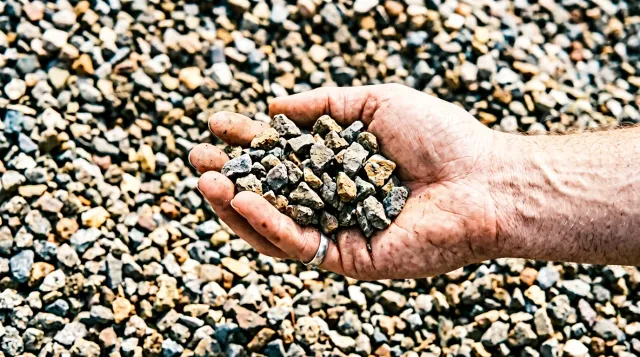
Gravel Calculator
This gravel calculator estimates cubic yards, tons, and coverage for any area. Enter dimensions and depth for driveways, patios, paths, and landscaping.
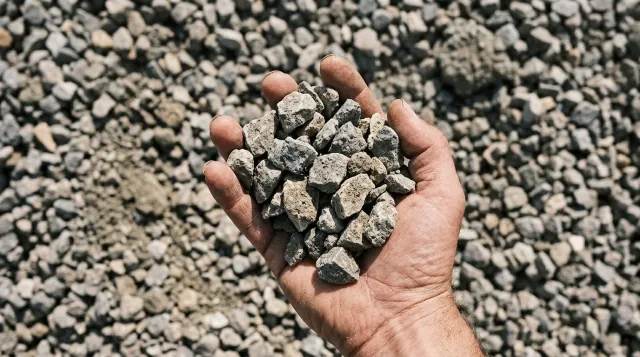
Crushed Stone Calculator
This calculator estimates crushed stone quantity and weight. Enter dimensions for results in cubic feet, cubic yards, and tons with density factored in.
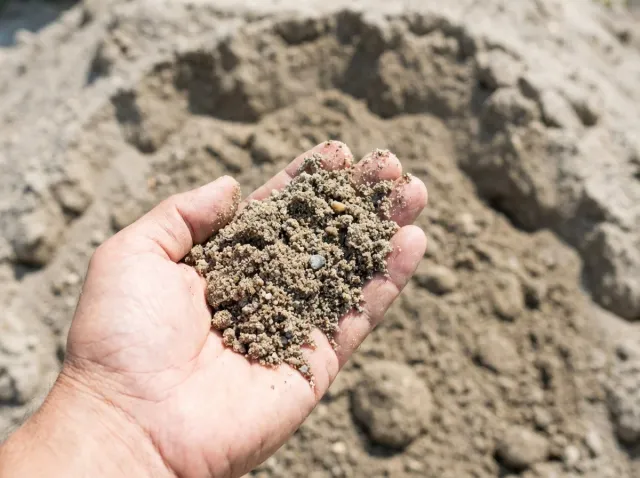
Concrete Sand Calculator
Concrete sand calculator — estimate volume and weight based on your project's length, width, and depth. Results in cubic yards and tons, ready for ordering.
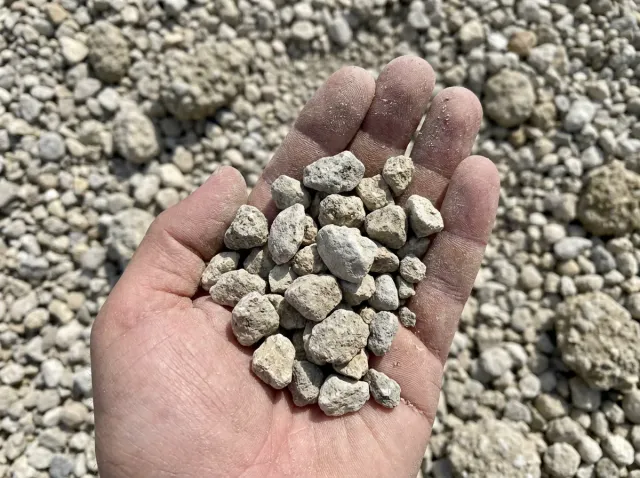
Limestone Calculator
Estimate crushed limestone with this calculator for driveways, walkways, or drainage. Enter dimensions, get results in cubic yards and tons.
Frequently Asked Questions
What aggregate materials do I need for an outdoor fireplace project?
Most outdoor fireplace builds rely on several layers of aggregate working together. A compacted crushed stone sub-base forms the structural foundation beneath your fireplace and patio slab. Sand is commonly used as a leveling layer or as part of a mortar bed when setting stone or brick. If your yard has significant low spots or uneven ground, fill dirt will help you establish a level, stable surface before any construction begins. For the finished surface around the fireplace, materials like pea gravel or decorative crushed stone are popular for both their appearance and their drainage performance. Hello Gravel carries all of these materials and delivers them in bulk by the truckload, so you can get everything you need for the job in one order.
What type of gravel works best as a base for an outdoor fireplace?
For the sub-base layer beneath a fireplace pad, crushed stone is the go-to choice. It compacts firmly, resists shifting under load, and drains water away instead of allowing it to pool and erode your foundation over time. Angular crushed stone locks together when compacted in a way that rounded stone simply does not, which gives you a much more stable base to build on. If you are laying a concrete pad on top, a compacted crushed stone base is critical to preventing the slab from settling or cracking down the road. For the decorative surface area around the fireplace, pea gravel or a finer crushed stone gives you a clean, finished look that still allows drainage and holds up well through seasonal weather changes. If you are unsure which specific material fits your project best, the Hello Gravel team is happy to help you choose.
How much base material do I need for my outdoor fireplace project?
The right quantity depends on the footprint of your fireplace pad and surrounding patio, along with the depth of your base layers. As a general starting point, a 10-by-10-foot area with 4 inches of compacted crushed stone requires roughly 1.5 to 2 tons of material. If your patio extends to 20-by-20 feet at the same depth, you are looking at approximately 6 to 7 tons. For heavier fireplace structures or softer soils, a 6-inch base depth is a smarter choice, and your tonnage estimate will increase accordingly. These figures are real-world ballparks, and your actual job dimensions may vary quite a bit. The Hello Gravel online calculator lets you plug in your specific length, width, and depth to get a precise estimate before you place your order.
What should I put directly under an outdoor fireplace for safety and stability?
The area directly beneath an outdoor fireplace needs to be non-combustible, level, and structurally sound. Most installers recommend at least 4 to 6 inches of compacted crushed stone as the sub-base before any concrete, pavers, or natural stone surface is laid on top. This layer does two important things: it gives your slab or paving surface a firm, even platform to rest on, and it keeps water draining away from the structure so frost heaving and soil erosion do not cause shifting over time. Skipping or shortchanging the base layer is one of the most common reasons outdoor fireplace pads crack or settle after a few seasons. Starting with a proper crushed stone foundation is the most important thing you can do to protect your investment from the ground up.
Can I use gravel for the patio area around my outdoor fireplace instead of concrete?
Yes, and it is a very popular choice. A gravel patio around an outdoor fireplace is more affordable than poured concrete, drains exceptionally well, and gives your outdoor space a natural, relaxed look. Pea gravel is a favorite for seating areas because it is comfortable underfoot and easy to maintain. Crushed stone or decomposed granite works well if you want a firmer, more compact surface that still allows water to drain through. The key to a gravel patio that lasts is proper ground preparation, which means compacting the soil, adding a crushed stone base layer, and using edging to keep the material from migrating over time. If you ever decide to add pavers or a concrete surface later, the gravel sub-base you start with now is exactly what you would need for that upgrade anyway. Hello Gravel can supply both your base layer and your surface material in a single bulk delivery.
More Project Calculators
Playground Calculator
This calculator estimates mulch, rubber, or wood fiber surfacing for playgrounds. Enter area and recommended depth to get cubic yards and tons.
Chicken Coop Calculator
Use this calculator to estimate how much gravel your coop base requires. Input dimensions and depth for volume in cubic yards and stone type guidance.
Basketball Court Calculator
Court base calculator — estimate gravel, sand, and sub-base quantities for backyard or regulation basketball courts. Input court size for material totals.
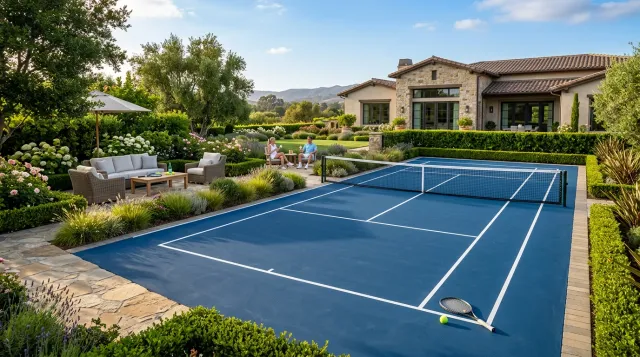
Tennis Court Calculator
Use this calculator to estimate the crushed stone base for a new or resurfaced tennis court. Enter dimensions and depth for volume and tonnage.
Delivery Logistics & Truck Info
Know your delivery options and access requirements before scheduling your order.
Truck Capacities
- Standard Dump Truck10–14 tons
- Tandem Axle14–18 tons
- Semi End Dump20–25 tons
A standard cubic yard weighs approximately 2,000–2,700 lbs depending on material and moisture.
Site Access Requirements
- Trucks require a minimum 12-ft wide, overhead-clear access path
- Soft ground or slopes over 10% may limit truck access — contact us before ordering
- Ensure no underground utilities or irrigation lines are in the drop zone
- Mark your desired drop location clearly before delivery
Important Notes
- Delivery estimates are based on available inventory and route proximity
- Minimum order quantities apply — typically 5 cubic yards or 1 truckload
- Material certification is available upon request for permitted projects
- Always confirm local ordinances before major material placement