
Hot Tub Pad Calculator
— How Much Do You Need?
Quickly estimate gravel, sand, or crushed stone for a stable hot tub pad with easy online ordering and truckload delivery.
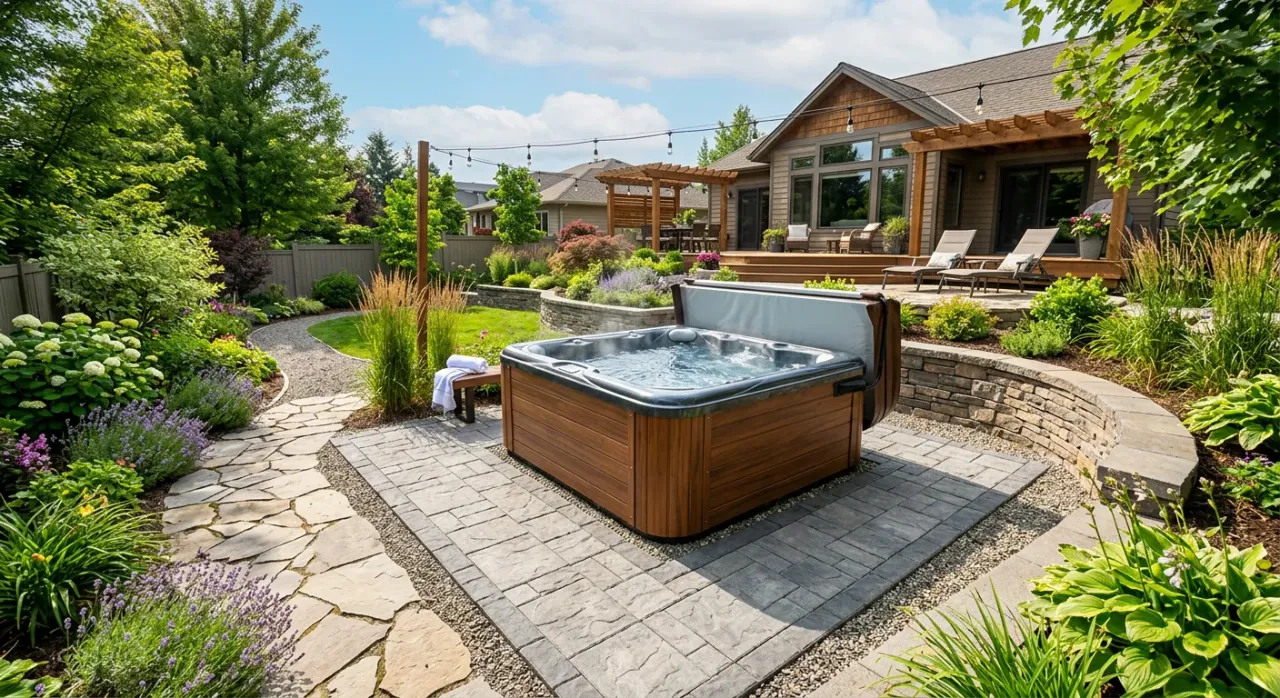
How to Use This Hot Tub Pad Calculator
Planning a hot tub pad requires precise measurements to ensure you order enough material without overspending.
- 1 Measure Area: Measure the length and width of your planned hot tub pad area in feet.
- 2 Determine Depth: For most hot tub pad projects, a depth of 4 to 6 inches is recommended for stability.
- 3 Review Results: The calculator provides both cubic yards (for bulk volume) and tons (for ordering weight).
Common Materials for Hot Tub Pads
Selecting the right base and surface materials ensures proper drainage, compaction, and load-bearing capacity to prevent settling or cracking under the significant filled weight of a hot tub.
| Material | Description | Best For | Est. Cost |
|---|---|---|---|
| Crusher Run (QP) | Crushed stone and stone dust blend, typically 3/4-inch minus, with angular particles that compact tightly into a dense, stable mass. | Aggregate Base Layer, Compacted Sub-Base, Load-Bearing Foundation, Drainage | $ |
| #57 Crushed Stone | Clean, angular crushed stone graded at approximately 3/4 inch with minimal fines, providing excellent drainage and structural support. | Primary Base Layer, Drainage, Gravel-Only Pads, Sub-Base Compaction | $ |
| Concrete Sand (Mason Sand) | Fine, washed sand with uniform, angular grains sized between 0.1 and 0.5 mm, used as a smooth leveling medium. | Screed Leveling Layer, Fine-Grade Base Topping, Under-Slab Leveling | $ |
| Fill Dirt | Subsoil or native earth material, typically low in organic content, used for bulk grading and raising site elevation. | Initial Site Grading, Subgrade Preparation, Limited Use | $ |
Understanding the Cost
Several factors influence the final price of your hot tub pad project.
Material Volume
The dimensions of your project directly dictate the tonnage needed. Deeper bases require significantly more material.
Delivery Distance
Transport logistics play a major role. Being closer to the quarry or depot reduces delivery fees significantly.
Material Type
Decorative stones cost more than utility grades. Choose based on your project's functional and aesthetic requirements.
Recommended Products for Your Hot Tub Pad
Gravel Calculator
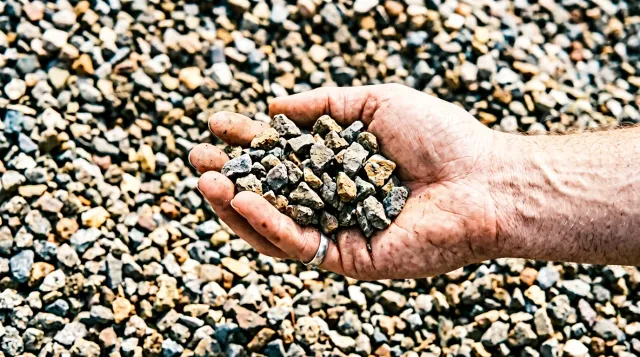
This gravel calculator estimates cubic yards, tons, and coverage for any area. Enter dimensions and depth for driveways, patios, paths, and landscaping.
Crushed Stone Calculator
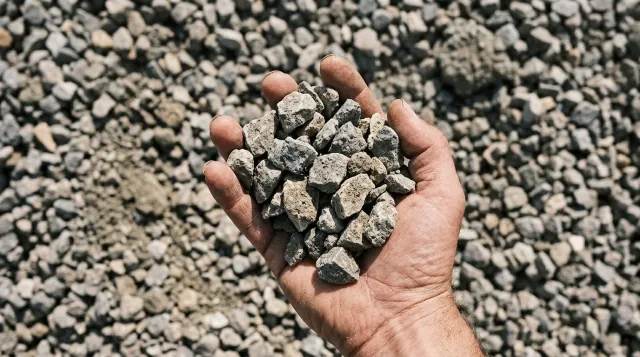
This calculator estimates crushed stone quantity and weight. Enter dimensions for results in cubic feet, cubic yards, and tons with density factored in.
Road Base Calculator
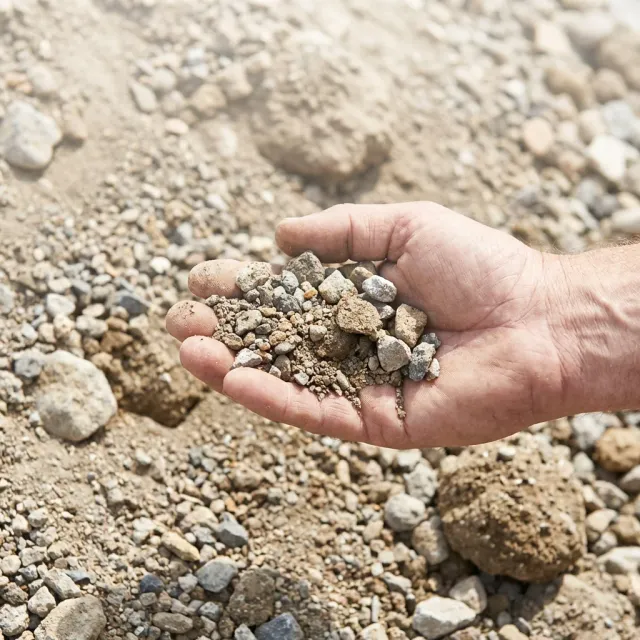
Road base calculator — enter length, width, and depth to estimate volume and tonnage for crushed limestone, recycled concrete, and aggregate base.
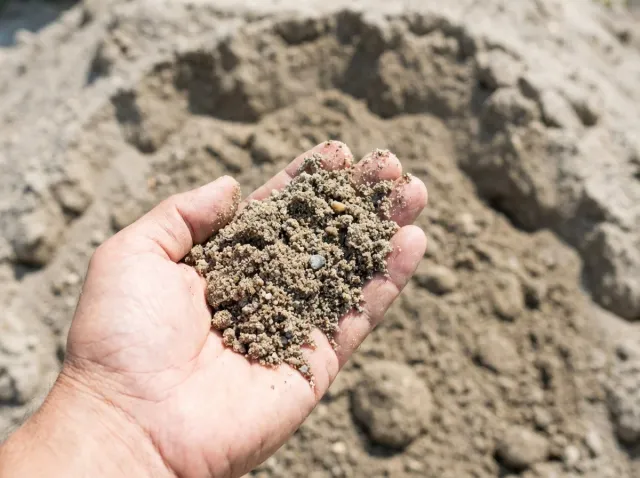
Concrete Sand Calculator
Concrete sand calculator — estimate volume and weight based on your project's length, width, and depth. Results in cubic yards and tons, ready for ordering.
Frequently Asked Questions
Why does a hot tub need a proper base or pad?
A filled hot tub is one of the heaviest things you can place in a backyard. Depending on the size, a hot tub loaded with water and a few people can weigh anywhere from 3,000 to over 6,000 pounds. Without a firm, level surface underneath it, that weight can cause the tub to slowly sink into the ground, shift out of level, or put uneven stress on the frame and plumbing over time. A proper pad solves all of that. It spreads the load evenly, keeps the tub level for the long haul, and allows water to drain away from underneath so moisture does not rot the cabinet or create problems with the mechanical components. Skipping the pad might seem like a shortcut, but most hot tub manufacturers actually require a stable, level base as a condition of the warranty. Building it right from the start protects both your investment and your tub.
Can a hot tub sit directly on the ground without any prepared base?
It is not recommended, and in most cases it is a mistake that leads to real problems down the road. Native soil, grass, and soft ground compress under heavy loads over time. Once a hot tub starts to sink even slightly on one side, you get stress on the frame, strain on the plumbing connections, and a tub that is difficult or impossible to drain properly. Wet soil under a hot tub also tends to stay wet, which encourages mold, rot, and pest activity around the cabinet base. Even if the ground looks firm and level today, settling happens gradually and the damage it causes is rarely cheap to fix. A properly built gravel pad eliminates these risks at a fraction of the cost of repairs, and it can be completed in a weekend with the right materials and a rented compactor.
Can a hot tub sit on a gravel pad, and what type of gravel works best?
Yes, a compacted gravel pad is one of the most practical and widely used options for a hot tub base. The important word there is compacted. Loose, round gravel like pea gravel shifts under pressure and would not hold a hot tub steady. What you want is a crushed stone product that locks together when packed down, such as crusher run, also called road base or processed gravel. Crusher run is a blend of crushed stone and stone dust that binds tightly under compaction, creating a dense, load-bearing surface that resists movement. It also drains water efficiently, which is exactly what you need beneath a hot tub where splashing and condensation are a constant reality. Hello Gravel carries crusher run and similar compactable crushed stone products well suited for this type of base, and the calculator on this page can help you figure out how much you need before placing your order.
How thick and how large should a gravel hot tub pad be?
For depth, four inches of compacted gravel is the minimum baseline, but six inches is a more reliable target given the weight of a filled hot tub. If your soil is soft, clay-heavy, or tends to settle, going to eight inches gives you added stability that is well worth the extra material. For footprint, the pad should be at least as large as the hot tub itself, but extending the pad twelve to eighteen inches beyond the tub on each side is a smart move. That extra space gives you a stable, dry surface to stand on while using the tub and makes it far easier to access the equipment panels for routine maintenance. To put it in practical terms, a seven-by-seven foot hot tub sits comfortably on a ten-by-ten foot gravel pad. Your exact size will depend on your tub's footprint, so measure before you calculate material quantities.
How much gravel do I need for a hot tub pad?
The amount depends directly on your pad dimensions and how deep you are building. As a real-world example, a ten-by-ten foot pad at six inches of compacted depth requires roughly 50 cubic feet of material, which works out to approximately 2.5 to 3 tons of crusher run. A larger twelve-by-twelve foot pad at the same depth would require closer to 3.5 to 4 tons. These are practical estimates based on typical compaction, but your actual quantity will depend on your specific measurements and whether you are building a single compacted layer or a two-layer system with a drainage stone base beneath your crusher run. Rather than guessing, use the Hello Gravel calculator on this page. Enter your dimensions and your target depth, and it will give you a precise tonnage recommendation you can order directly from.
More Project Calculators
Playground Calculator
This calculator estimates mulch, rubber, or wood fiber surfacing for playgrounds. Enter area and recommended depth to get cubic yards and tons.
Chicken Coop Calculator
Use this calculator to estimate how much gravel your coop base requires. Input dimensions and depth for volume in cubic yards and stone type guidance.
Basketball Court Calculator
Court base calculator — estimate gravel, sand, and sub-base quantities for backyard or regulation basketball courts. Input court size for material totals.
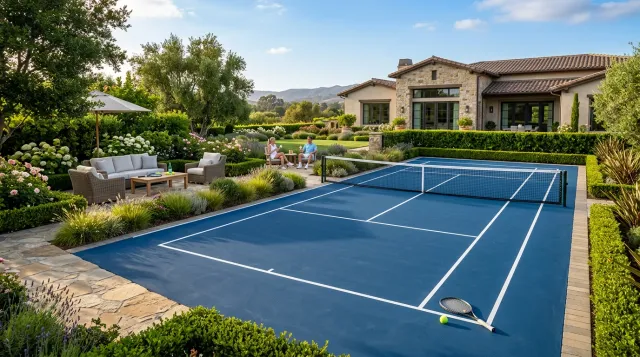
Tennis Court Calculator
Use this calculator to estimate the crushed stone base for a new or resurfaced tennis court. Enter dimensions and depth for volume and tonnage.
Delivery Logistics & Truck Info
Know your delivery options and access requirements before scheduling your order.
Truck Capacities
- Standard Dump Truck10–14 tons
- Tandem Axle14–18 tons
- Semi End Dump20–25 tons
A standard cubic yard weighs approximately 2,000–2,700 lbs depending on material and moisture.
Site Access Requirements
- Trucks require a minimum 12-ft wide, overhead-clear access path
- Soft ground or slopes over 10% may limit truck access — contact us before ordering
- Ensure no underground utilities or irrigation lines are in the drop zone
- Mark your desired drop location clearly before delivery
Important Notes
- Delivery estimates are based on available inventory and route proximity
- Minimum order quantities apply — typically 5 cubic yards or 1 truckload
- Material certification is available upon request for permitted projects
- Always confirm local ordinances before major material placement