
Gazebo Base Calculator
— How Much Do You Need?
Quickly calculate materials and delivery for a level gazebo base with gravel, sand, or crushed stone.
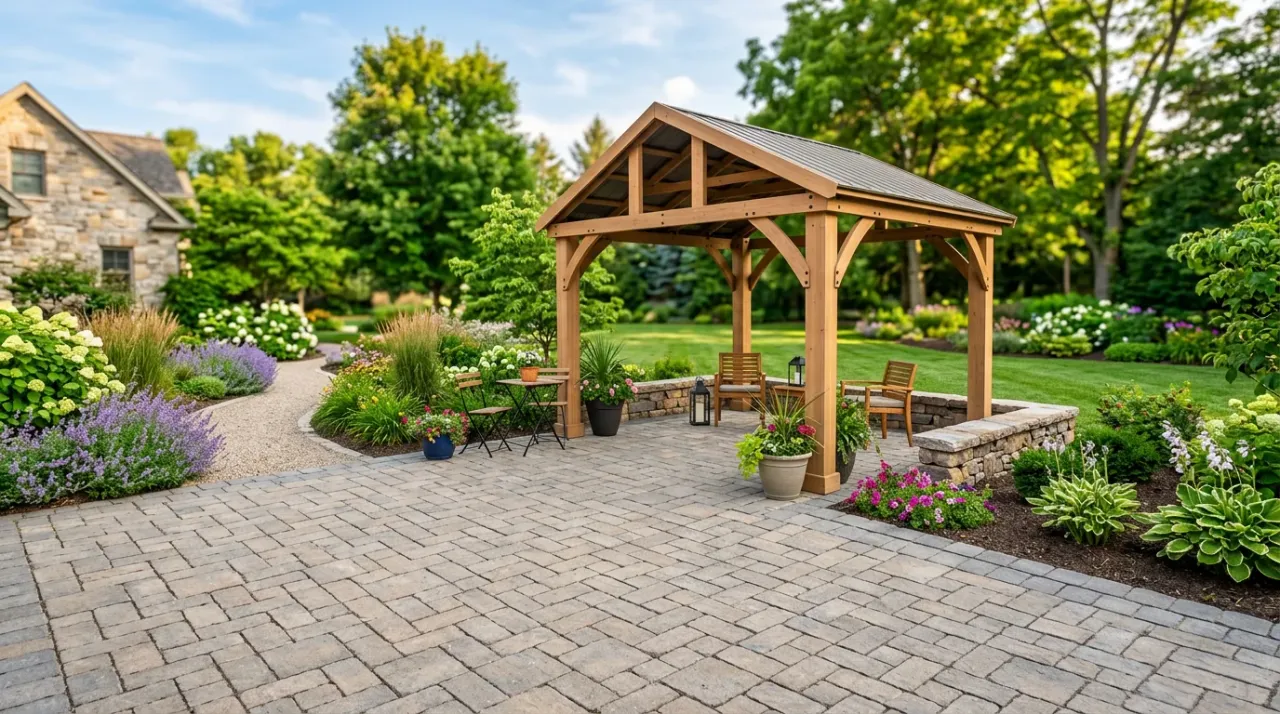
How to Use This Gazebo Base Calculator
Planning a gazebo base requires precise measurements to ensure you order enough material without overspending.
- 1 Measure Area: Measure the length and width of your planned gazebo base area in feet.
- 2 Determine Depth: For most gazebo base projects, a depth of 4 to 6 inches is recommended for stability.
- 3 Review Results: The calculator provides both cubic yards (for bulk volume) and tons (for ordering weight).
Common Materials for Gazebo Bases
Selecting the right base material ensures proper drainage, compaction, and load-bearing stability to prevent settling or shifting of the gazebo structure over time.
| Material | Description | Best For | Est. Cost |
|---|---|---|---|
| Crusher Run (QP) | A blend of crushed stone and stone dust ranging from 3/4-inch down to fines, forming a compactable, interlocking base layer. | Primary Base Layer, Compacted Gravel Pad, Small Gazebos, Drainage & Stability | $ |
| #57 Crushed Stone | Clean, angular crushed stone measuring approximately 3/4-inch, with no fines, providing excellent drainage and load distribution. | Drainage Base Layer, Under Concrete Slabs, Gravel Pad Base, Frost Zone Prep | $ |
| Concrete (Ready-Mix) | Portland cement-based mixture of cement, sand, and coarse aggregate delivered in a fluid state and hardened in place. | Concrete Slabs, Pier Footings, Heavy-Duty Gazebos, High-Wind or Frost Areas | $$$ |
| Masonry Sand | Fine, washed angular sand with particles typically under 1/4-inch, offering a smooth, level surface for finishing layers. | Top Leveling Layer, Under Pavers or Slabs, Non-Concrete Pads, Surface Finishing | $ |
Understanding the Cost
Several factors influence the final price of your gazebo base project.
Material Volume
The dimensions of your project directly dictate the tonnage needed. Deeper bases require significantly more material.
Delivery Distance
Transport logistics play a major role. Being closer to the quarry or depot reduces delivery fees significantly.
Material Type
Decorative stones cost more than utility grades. Choose based on your project's functional and aesthetic requirements.
Recommended Products for Your Gazebo Base
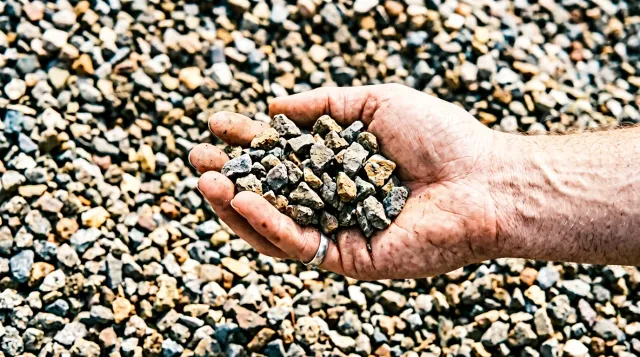
Gravel Calculator
This gravel calculator estimates cubic yards, tons, and coverage for any area. Enter dimensions and depth for driveways, patios, paths, and landscaping.
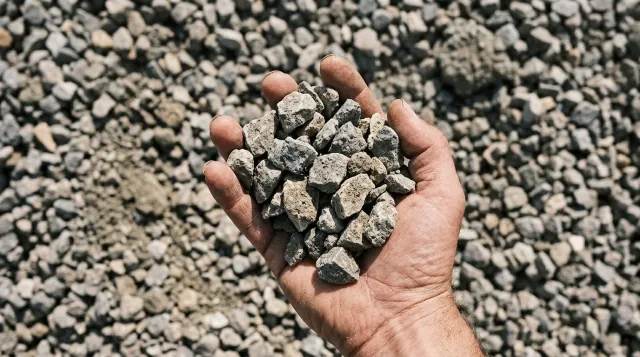
Crushed Stone Calculator
This calculator estimates crushed stone quantity and weight. Enter dimensions for results in cubic feet, cubic yards, and tons with density factored in.
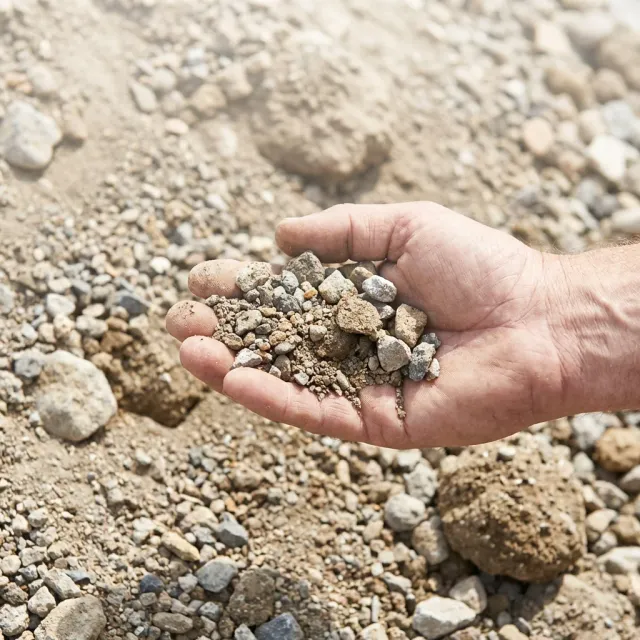
Road Base Calculator
Road base calculator — enter length, width, and depth to estimate volume and tonnage for crushed limestone, recycled concrete, and aggregate base.
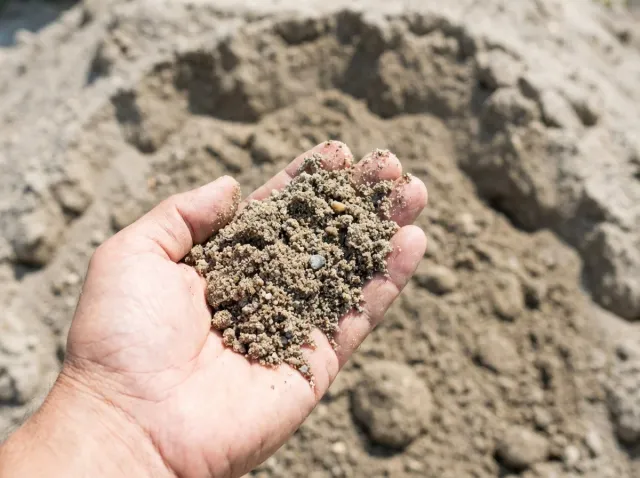
Concrete Sand Calculator
Concrete sand calculator — estimate volume and weight based on your project's length, width, and depth. Results in cubic yards and tons, ready for ordering.
Frequently Asked Questions
What materials work best for a gazebo base?
For a solid, long-lasting gazebo base, angular crushed stone is the top choice. Sometimes called crusher run or process gravel, this material compacts tightly and resists shifting because the angular edges lock together when pressure is applied. That interlocking action is exactly what you want beneath a structure that will carry weight year-round through rain, frost, and heavy use. If you want a finished look inside or around your gazebo, you can add a shallower layer of pea gravel or decomposed granite on top of the compacted base. These materials are smoother underfoot and give the space a clean, attractive appearance. They work well as a surface layer, but should not be used alone as the structural foundation since they do not compact the same way angular stone does. At Hello Gravel, we carry both the crushed stone needed for a firm base layer and the finishing materials that make the surface look great. If you are not sure which combination makes sense for your project, our team is glad to help you work it out before you order.
How deep should a gravel gazebo base be?
For most residential gazebos, a compacted depth of 4 to 6 inches of crushed stone is the standard recommendation. If your soil is soft, clay-heavy, or stays wet after rain, going to 6 inches gives you a more reliable foundation. For firm, well-draining soil, 4 inches of compacted crushed stone is usually enough to support the structure comfortably. One important thing to plan for is compaction loss. Gravel compresses during installation, so if you want 4 inches of finished, compacted depth, you will want to start with roughly 5 to 6 inches of loose material before you compact it. That difference adds up, especially over a larger footprint, so it is worth factoring into your quantity estimate when you place your order. When in doubt, going a little deeper is always the safer call. A thicker base handles drainage better and gives you more margin against settling over time.
How much gravel do I need for my gazebo base?
The amount you need depends on the size of your gazebo footprint and how deep you plan to go. To give you a practical starting point, here are real-world estimates based on a 4-inch compacted depth of crushed stone. A 10-foot by 10-foot footprint of 100 square feet takes roughly 1.75 tons. A 12-foot by 12-foot footprint of 144 square feet takes about 2.5 tons. A 16-foot by 16-foot footprint of 256 square feet needs approximately 4.4 tons. If your gazebo is larger, if you plan to extend the gravel pad beyond the structure's footprint, or if you are adding a decorative surface layer on top, your total will be higher. These figures are conservative estimates based on typical crushed stone density at a 4-inch compacted depth. Your actual needs will vary based on your exact dimensions, your soil conditions, and the depth you choose. The Hello Gravel calculator is the fastest and most accurate way to get a number specific to your project. Just enter your footprint dimensions and material choice, and it will do the math for you.
How do I prepare the ground before installing a gravel gazebo base?
Good ground preparation makes the difference between a base that stays level for years and one that slowly sinks or shifts. Taking an extra hour or two on this step pays off every season after. Start by marking out the full footprint of your gazebo, plus a few extra inches on all sides to give yourself a clean, defined edge. Then excavate down 4 to 6 inches and remove all grass, roots, and organic material from the area. Organic material breaks down over time and causes the ground to settle unevenly, so getting it all out before you add gravel is critical. Once the area is dug out, check that the exposed soil underneath is reasonably level. Tamp it down firmly with a hand tamper or a rented plate compactor. This step ensures your subgrade is stable before you add any material on top. After the soil is tamped, lay landscape fabric across the entire area to block weeds and keep your gravel from migrating into the soil below. Then add your crushed stone in two-inch lifts, compacting each layer before adding the next. This layered approach creates a much more stable base than dumping all the material in at once.
Why is gravel a smarter choice for a gazebo base than concrete?
Both materials can support a gazebo, but gravel has several real advantages for most homeowners that make it the more practical choice. Gravel drains naturally. Water passes right through the stone instead of pooling on the surface or running off in ways that can erode your yard or undermine your structure. Concrete, on the other hand, requires careful sloping to drain properly, and if it develops cracks over time it can hold water rather than shedding it. A gravel base is also much easier to adjust down the road. If you ever want to move your gazebo, extend the pad, or rethink the layout of your outdoor space, gravel can be redistributed or supplemented without tearing out a hardscaped surface. That flexibility is genuinely valuable over the life of a home. From a cost and effort standpoint, a bulk gravel base ordered by the truckload through Hello Gravel is typically more affordable than a concrete pour and does not require a contractor or specialty finishing work. And if you eventually decide you want to add pavers or stepping stones around your gazebo, a properly compacted crushed stone base is already the right foundation for that too.
More Project Calculators
Playground Calculator
This calculator estimates mulch, rubber, or wood fiber surfacing for playgrounds. Enter area and recommended depth to get cubic yards and tons.
Chicken Coop Calculator
Use this calculator to estimate how much gravel your coop base requires. Input dimensions and depth for volume in cubic yards and stone type guidance.
Basketball Court Calculator
Court base calculator — estimate gravel, sand, and sub-base quantities for backyard or regulation basketball courts. Input court size for material totals.
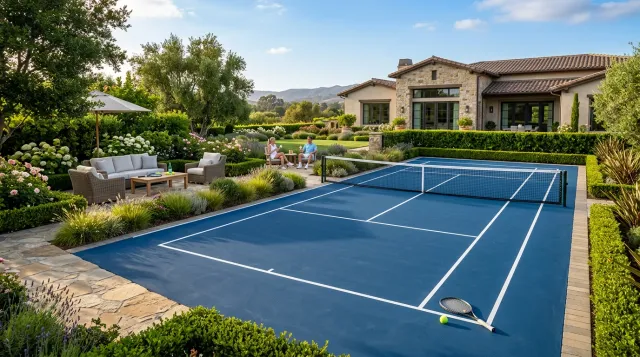
Tennis Court Calculator
Use this calculator to estimate the crushed stone base for a new or resurfaced tennis court. Enter dimensions and depth for volume and tonnage.
Delivery Logistics & Truck Info
Know your delivery options and access requirements before scheduling your order.
Truck Capacities
- Standard Dump Truck10–14 tons
- Tandem Axle14–18 tons
- Semi End Dump20–25 tons
A standard cubic yard weighs approximately 2,000–2,700 lbs depending on material and moisture.
Site Access Requirements
- Trucks require a minimum 12-ft wide, overhead-clear access path
- Soft ground or slopes over 10% may limit truck access — contact us before ordering
- Ensure no underground utilities or irrigation lines are in the drop zone
- Mark your desired drop location clearly before delivery
Important Notes
- Delivery estimates are based on available inventory and route proximity
- Minimum order quantities apply — typically 5 cubic yards or 1 truckload
- Material certification is available upon request for permitted projects
- Always confirm local ordinances before major material placement