
Apron Driveway Calculator
— How Much Do You Need?
Calculate how much gravel, sand, or fill dirt you need for an apron driveway and get truckload delivery.
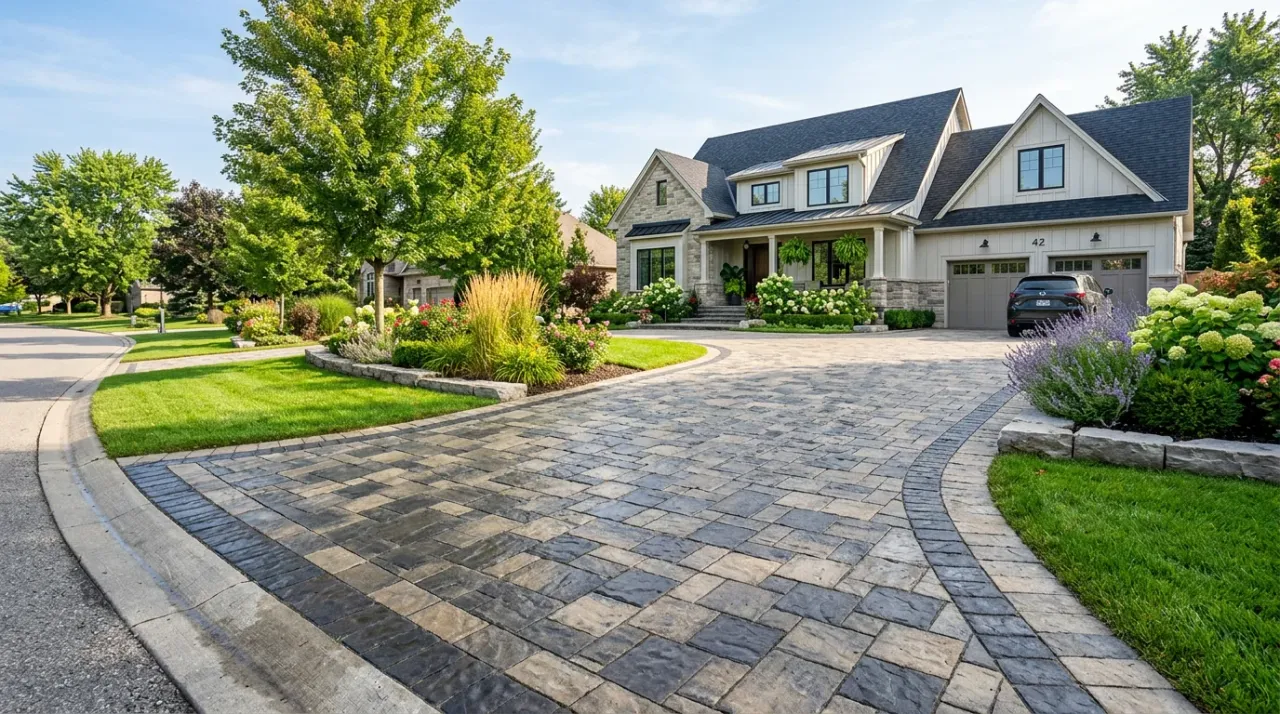
How to Use This Apron Driveway Calculator
Planning a apron driveway requires precise measurements to ensure you order enough material without overspending.
- 1 Measure Area: Measure the length and width of your planned apron driveway area in feet.
- 2 Determine Depth: For most apron driveway projects, a depth of 4 to 6 inches is recommended for stability.
- 3 Review Results: The calculator provides both cubic yards (for bulk volume) and tons (for ordering weight).
Common Materials for Apron Driveways
Selecting the right base and surface aggregate ensures load-bearing stability, proper drainage, and long-term resistance to traffic shear at the curb-to-driveway transition.
| Material | Description | Best For | Est. Cost |
|---|---|---|---|
| Crusher Run (QP) | A dense-graded blend of crushed stone fines and angular particles ranging from 1-1/2 inch down to dust, designed to compact into a rigid, interlocked mass. | Base Layer, Subbase Compaction, Load Bearing, Poor Soil Conditions | $ |
| #57 Crushed Stone | Clean, angular crushed stone graded at approximately 3/4 inch with minimal fines, providing strong particle-to-particle contact and excellent drainage. | Gravel Base, Drainage Layer, Surface Aggregate | $$ |
| Masonry Sand | Fine, washed angular sand with consistent particle sizing used as a leveling and bedding course beneath surface materials. | Leveling Course, Paver Bedding, Void Fill | $ |
| Fill Dirt (Screened) | Screened native or imported soil, free of organics and large debris, used to build up subgrade elevation before aggregate base installation. | Subgrade Build-Up, Over-Excavation Backfill, Limited Use | $ |
Understanding the Cost
Several factors influence the final price of your apron driveway project.
Material Volume
The dimensions of your project directly dictate the tonnage needed. Deeper bases require significantly more material.
Delivery Distance
Transport logistics play a major role. Being closer to the quarry or depot reduces delivery fees significantly.
Material Type
Decorative stones cost more than utility grades. Choose based on your project's functional and aesthetic requirements.
Recommended Products for Your Apron Driveway
Gravel Calculator
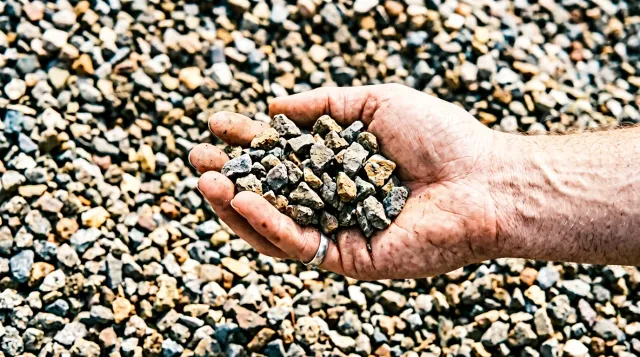
This gravel calculator estimates cubic yards, tons, and coverage for any area. Enter dimensions and depth for driveways, patios, paths, and landscaping.
Crushed Stone Calculator
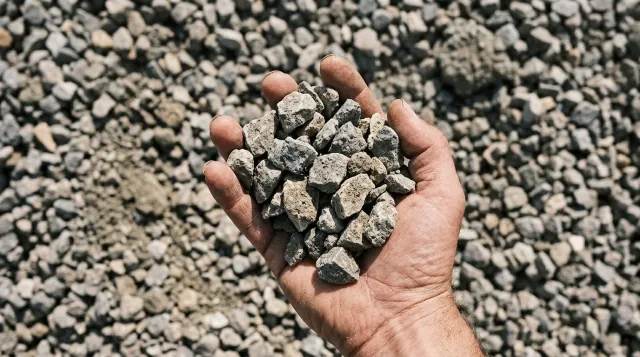
This calculator estimates crushed stone quantity and weight. Enter dimensions for results in cubic feet, cubic yards, and tons with density factored in.
Road Base Calculator
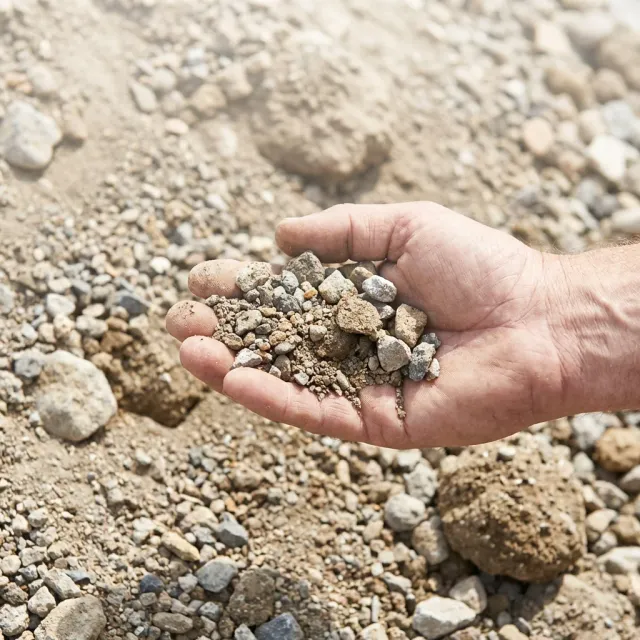
Road base calculator — enter length, width, and depth to estimate volume and tonnage for crushed limestone, recycled concrete, and aggregate base.
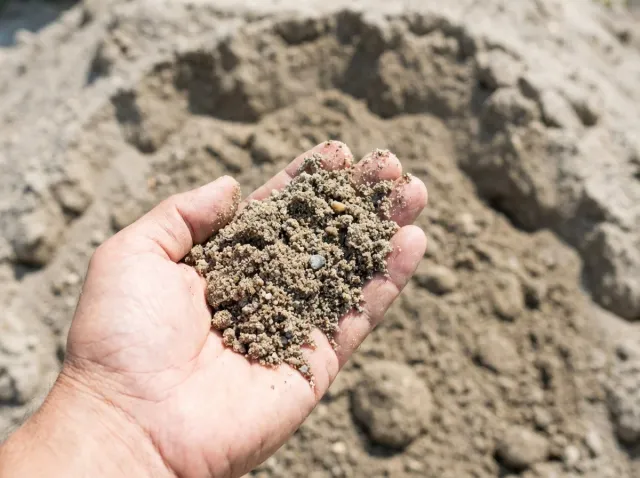
Concrete Sand Calculator
Concrete sand calculator — estimate volume and weight based on your project's length, width, and depth. Results in cubic yards and tons, ready for ordering.
Frequently Asked Questions
What is a driveway apron, and what role does gravel play in building one?
A driveway apron is the transitional section of your driveway where it meets the public road or street. It is typically the first 8 to 15 feet of your driveway, and it takes on more stress than almost any other part because vehicles are constantly turning, braking, and accelerating right at that spot. Gravel is the foundation that makes the whole thing work. Whether your finished surface is paved or left as compacted stone, a properly installed gravel base keeps your apron from shifting, sinking, or cracking over time. It absorbs weight, promotes drainage, and keeps the ground stable through freeze thaw cycles. Skip the base, and even the best surface material will fail prematurely. For homeowners who want a clean, durable apron without pouring concrete, a well compacted gravel surface can also serve as the finished layer itself. Crushed stone and crusher run compact tightly, resist rutting, and look great when installed correctly. If you are not sure what type of base material your project needs, the Hello Gravel team is happy to help you figure it out.
What is the best gravel for a driveway apron?
For most residential driveway aprons, crusher run (also called crush and run, road base, or dense graded aggregate) is the top choice for a base layer. It contains a blend of crushed stone and stone dust that locks together tightly when compacted, creating a firm, stable surface that resists movement under vehicle traffic. If you want a cleaner, more finished look on top of your base, you can add a layer of crushed stone such as number 57 or number 411. These materials drain well and give your apron a polished appearance while still providing excellent support. Recycled crushed concrete is another strong option. It compacts similarly to crusher run, is typically more affordable, and actually gets harder over time as the residual cement in the material re-bonds under pressure. Many contractors prefer it for high-traffic aprons because of how well it performs after settling. The right choice depends on your soil conditions, expected traffic, and whether you want a base-only installation or a finished gravel surface. Use the Hello Gravel calculator to compare materials side by side, or reach out to the team for a recommendation based on your specific project.
How deep should the gravel be for a driveway apron?
Depth depends on your soil conditions and how much weight the apron needs to handle, but here is a practical starting point for most projects. For a standard residential driveway apron on reasonably firm, well-draining soil, 4 to 6 inches of compacted base gravel is a solid target. If you are working with soft, sandy, or clay-heavy soil that holds water and shifts seasonally, bumping up to 6 to 8 inches of compacted depth gives you a much more stable result over the long term. If your driveway apron will see regular use by heavy vehicles, such as delivery trucks, concrete mixers, or contractor rigs, plan for at least 8 inches of compacted base. Some contractors working in demanding conditions will go even deeper by starting with a coarser fill layer and finishing with a finer compactable stone on top. One thing worth keeping in mind: these numbers refer to compacted depth, not the depth of loose material before you compact it. Loose gravel typically compacts down by 20 to 25 percent, so you will need to order more material than the finished depth suggests. Use the Hello Gravel calculator to enter your dimensions and target depth. It will account for compaction and give you a reliable material quantity estimate so you order the right amount the first time.
How much gravel do I need for a driveway apron?
A standard residential driveway apron is typically around 12 feet wide and 10 to 15 feet long. At 6 inches of compacted depth, a 12-by-12-foot apron requires roughly 2.5 to 3 cubic yards of material, which works out to approximately 3.5 to 5 tons depending on the material type. A larger apron, say 16 feet wide by 15 feet long, at the same depth would need closer to 7 to 9 tons. Keep in mind that these figures are estimates based on a straightforward rectangular footprint and uniform depth. Your actual quantity will vary based on your exact dimensions, the condition of your subgrade, whether you are doing a single layer or a base-plus-surface-layer installation, and how much compaction you achieve during installation. Because Hello Gravel delivers material by the truckload in bulk quantities, you want to get your estimate right before placing your order. The Hello Gravel calculator is built exactly for this purpose. Enter your width, length, and target depth, and it will give you a precise tonnage figure for your project. If you have any questions about what you are seeing, the team is available to walk you through it.
Is crushed concrete a good material for a driveway apron?
Yes, and it is one of the most popular options for exactly this type of project. Crushed concrete (sometimes called "poor man's concrete") performs extremely well as a driveway apron material because it compacts tightly, handles vehicle traffic without shifting, and tends to firm up even more over time. That last point is worth understanding: recycled concrete still contains residual cement, and when it gets wet and compacted repeatedly, that cement re-bonds. Many homeowners and contractors find that their crushed concrete apron actually gets harder and more stable with age and use. It is also a great value compared to virgin crushed stone. You get similar structural performance at a lower cost per ton, which makes it a smart choice when you are covering a large footprint or want to keep your budget in check without cutting corners on quality. One thing to be aware of: crushed concrete can vary in particle size depending on the source, so it is worth asking the Hello Gravel team about what is available in your area. For most driveway apron applications, a well-graded mix that includes both coarser and finer particles will compact best and give you the firmest surface. If you are curious whether crushed concrete is the right fit for your specific apron project, just reach out to the Hello Gravel team and they can help you compare it against other available materials.
More Project Calculators
Playground Calculator
This calculator estimates mulch, rubber, or wood fiber surfacing for playgrounds. Enter area and recommended depth to get cubic yards and tons.
Chicken Coop Calculator
Use this calculator to estimate how much gravel your coop base requires. Input dimensions and depth for volume in cubic yards and stone type guidance.
Basketball Court Calculator
Court base calculator — estimate gravel, sand, and sub-base quantities for backyard or regulation basketball courts. Input court size for material totals.

Tennis Court Calculator
Use this calculator to estimate the crushed stone base for a new or resurfaced tennis court. Enter dimensions and depth for volume and tonnage.
Delivery Logistics & Truck Info
Know your delivery options and access requirements before scheduling your order.
Truck Capacities
- Standard Dump Truck10–14 tons
- Tandem Axle14–18 tons
- Semi End Dump20–25 tons
A standard cubic yard weighs approximately 2,000–2,700 lbs depending on material and moisture.
Site Access Requirements
- Trucks require a minimum 12-ft wide, overhead-clear access path
- Soft ground or slopes over 10% may limit truck access — contact us before ordering
- Ensure no underground utilities or irrigation lines are in the drop zone
- Mark your desired drop location clearly before delivery
Important Notes
- Delivery estimates are based on available inventory and route proximity
- Minimum order quantities apply — typically 5 cubic yards or 1 truckload
- Material certification is available upon request for permitted projects
- Always confirm local ordinances before major material placement