
Black Gravel vs White Gravel Complete Comparison Guide for Your Project
Guide handoff
Want help applying this guide to your project?
Share your ZIP and what you need help with. We'll use this guide as context when we follow up.
- 1 This guide gives us the context you were reading.
- 2 Ask about pricing, material choice, delivery timing, or quantity.
- 3 Keep it broad if you are still figuring out the project.
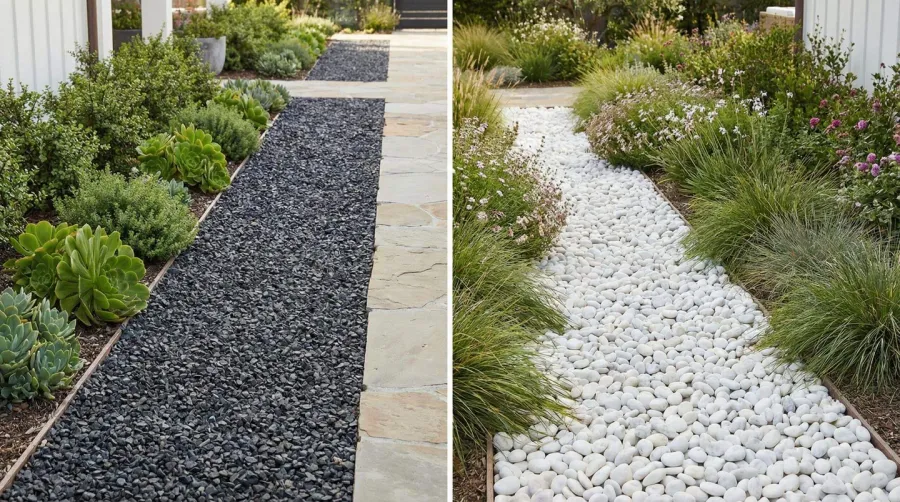
Choosing between black gravel and white gravel can make or break your landscaping project. Black gravel absorbs heat and creates bold contrasts, while white gravel reflects light and stays cooler. Both offer unique advantages depending on your specific needs, climate, and design goals.
Quick Answer: Black gravel works best for heat retention, dramatic aesthetics, and hiding dirt in high-traffic areas. White gravel excels in hot climates, creating bright spaces, and showcasing colorful plants.
Understanding the key differences between these two popular gravel types will help you make the right choice for your driveway, garden paths, or decorative landscaping. Let’s explore what sets them apart and which one suits your project best.
What Makes Black Gravel Different
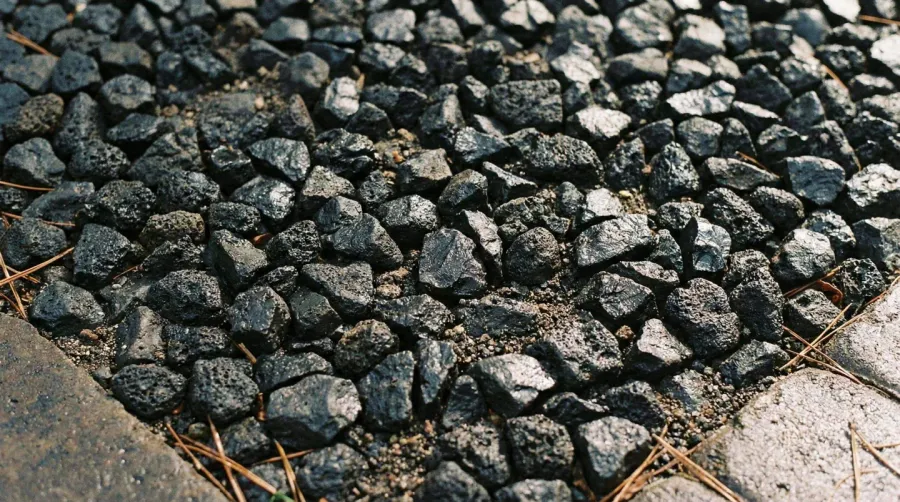
Black gravel gets its distinctive dark color from volcanic materials like basalt and obsidian. When molten lava cools rapidly, it forms these dense, durable rocks that break down into the angular fragments we use for landscaping and construction.
The presence of iron and manganese oxides gives black gravel its rich, deep appearance. Basalt, the most common source, creates exceptionally strong gravel that can handle heavy loads without breaking down. This makes it perfect for driveways and high-traffic areas where durability matters most.
You’ll find black gravel in various sizes, from fine screenings to larger chunks up to 2 inches. The angular shape of crushed black gravel helps it lock together when compacted, creating a stable surface that won’t shift under pressure. For more information on selecting the right gravel for your driveway, check out our guide on what type of river rock is best for a driveway.
Understanding White Gravel Composition
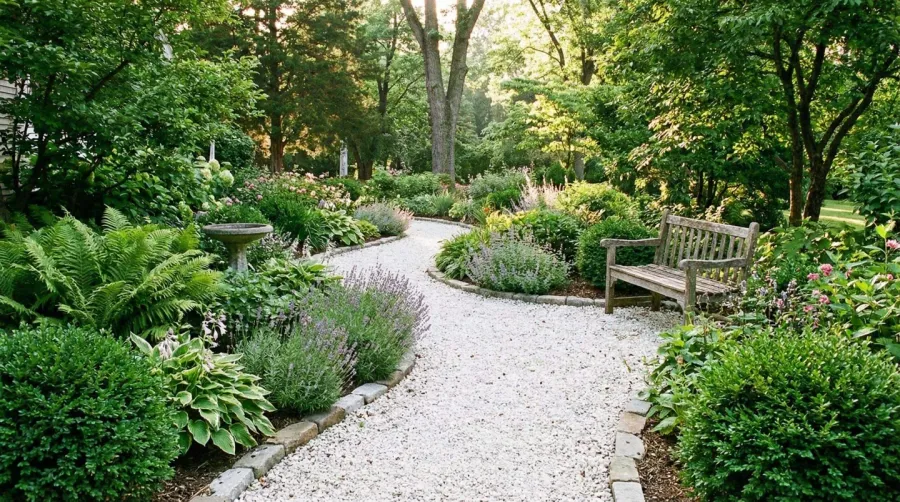
White gravel comes primarily from limestone and quartz deposits that have weathered naturally over thousands of years. Unlike black gravel’s volcanic origins, white gravel forms through sedimentary processes that create lighter-colored rocks with different properties.
Limestone-based white gravel offers excellent drainage and compacts well for stable surfaces. Quartz varieties provide extra hardness and resistance to weathering, though they typically cost more than limestone options. The absence of dark minerals gives white gravel its clean, bright appearance.
The smooth, rounded edges of many white gravel types make them comfortable to walk on barefoot, which is why you’ll often see them used around pools and in zen gardens. However, this same smoothness means they don’t compact as tightly as angular black gravel.
Comparing Performance and Benefits
| Feature | Black Gravel | White Gravel | Best Choice |
|---|---|---|---|
| Heat Absorption | High (stays warm) | Low (stays cool) | Depends on climate |
| Maintenance | Hides dirt well | Shows stains easily | Black for high-traffic |
| Aesthetics | Bold, dramatic | Clean, bright | Personal preference |
| Cost per ton | $40-60 | $45-70 | Black slightly cheaper |
Black gravel’s heat absorption makes it ideal for colder climates where you want to melt snow faster or create warm gathering spaces. The dark color also hides dirt, oil stains, and debris better than white gravel, reducing your maintenance workload.
Pro Tip: In hot climates above 85°F regularly, white gravel can be 10-15 degrees cooler to walk on than black gravel, making it safer for bare feet and pets.
White gravel excels in hot climates because it reflects sunlight instead of absorbing it. This keeps surface temperatures lower and can even help reduce cooling costs for nearby buildings. The bright color also makes spaces appear larger and more open, which works well in smaller gardens or narrow pathways.
However, white gravel requires more frequent cleaning to maintain its pristine appearance. Leaves, dirt, and organic matter show up clearly against the light background, so you’ll need to rake or rinse it more often than black gravel. Learn more about keeping pebbles in place to maintain your gravel’s appearance.
Best Applications for Each Type
Black gravel works exceptionally well for driveways, especially in areas with heavy vehicle traffic. Its ability to hide tire marks, oil drips, and general wear makes it a practical choice for busy households. The heat absorption also helps melt ice and snow faster in winter climates.
For landscaping, black gravel creates stunning contrast against green plants, white flowers, or light-colored hardscaping. It’s particularly effective around fire pits, outdoor kitchens, and modern architectural features where you want a bold, sophisticated look. Discover more ideas for using black gravel for landscaping in your outdoor spaces.
White gravel shines in decorative applications like zen gardens, around swimming pools, and in formal garden designs. Its reflective properties make it perfect for lighting up shaded areas or creating bright pathways that are easy to navigate at night. If you’re planning a garden path, explore what type of marble chips is best for a garden path for additional white stone options.
Climate Consideration: Choose white gravel in desert climates or areas with intense summer sun. Black gravel works better in northern regions or shaded locations where heat retention is beneficial.
The smooth texture of white gravel also makes it comfortable for areas where people might walk barefoot, such as around outdoor showers or meditation spaces. Its clean appearance complements water features beautifully and won’t interfere with the clarity of pond or fountain water. For pond projects, our guide on how much river rock do I need for a pond border can help you calculate quantities.
Making Your Final Decision
Your choice between black and white gravel should depend on three main factors: your local climate, intended use, and personal style preferences. In hot climates, white gravel’s cooling properties often outweigh its higher maintenance needs. In colder areas, black gravel’s heat absorption and dirt-hiding abilities make it the practical choice.
Consider your long-term maintenance commitment too. If you prefer a low-maintenance landscape, black gravel will serve you better. If you enjoy keeping things pristine and don’t mind occasional cleaning, white gravel can create stunning visual impact.
Budget-wise, both options cost roughly the same, with black gravel typically running $5-10 less per ton. However, factor in long-term maintenance costs and replacement frequency when making your decision. Quality gravel from reputable suppliers will last decades regardless of color choice. For more detailed pricing information, consult our ultimate guide to river rock prices.The best approach is to visit local suppliers and see both types in person. Bring photos of your project area and ask about locally sourced options, which often provide the best value and environmental benefits for your specific region. Our resource on where to buy river rock can help you locate quality suppliers near you.
FAQ
Does black gravel get too hot to walk on?
Yes, black gravel absorbs heat and can become uncomfortably hot in direct sunlight, especially in climates above 85°F. It can be 10-15 degrees warmer than white gravel. Consider white gravel for areas where people walk barefoot, like around pools, or provide shade over black gravel pathways.
Which gravel is better for driveways – black or white?
Black gravel is generally better for driveways because it hides tire marks, oil stains, and general wear better than white gravel. Black gravel made from basalt is also extremely durable and compacts well under vehicle weight. White gravel shows every stain and requires more frequent cleaning to maintain appearance.
What’s the cost difference between black and white gravel?
Black and white gravel cost roughly the same, with black gravel typically running $40-60 per ton and white gravel $45-70 per ton. Black gravel is usually $5-10 cheaper per ton, but the difference is minimal. Consider long-term maintenance costs, as white gravel requires more frequent cleaning.
Can I mix black and white gravel together?
Yes, mixing black and white gravel can create striking visual contrast in landscaping designs. You can use them in separate sections for defined patterns, create borders with one color, or mix them together for a speckled appearance. This combination works well for modern landscape designs and garden pathways.