
Best River Rock for Drainage Complete Guide to Choosing the Right Stone
Guide handoff
Want help applying this guide to your project?
Share your ZIP and what you need help with. We'll use this guide as context when we follow up.
- 1 This guide gives us the context you were reading.
- 2 Ask about pricing, material choice, delivery timing, or quantity.
- 3 Keep it broad if you are still figuring out the project.
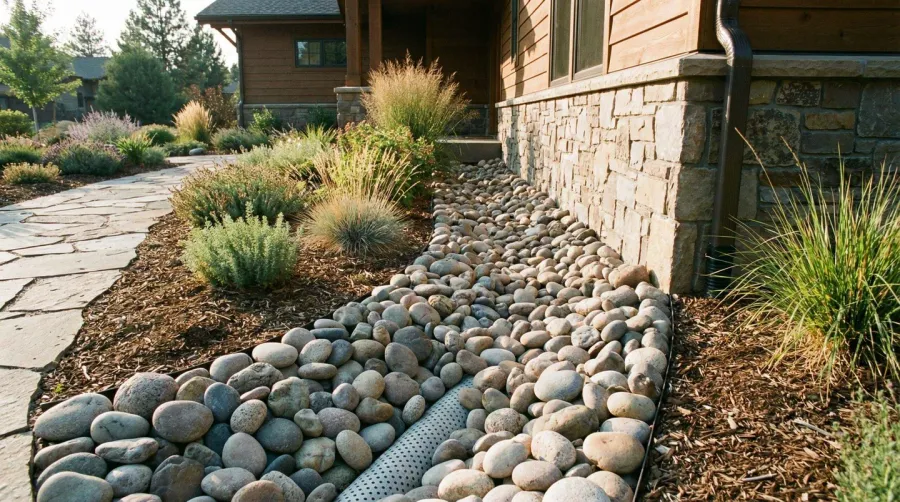
Choosing the right river rock for drainage can make the difference between a functional water management system and costly property damage. River gravel (1-3 inches) typically provides the best drainage performance due to its angular shape and optimal void spaces that allow water to flow freely while preventing soil infiltration.
Quick Answer: River gravel offers superior drainage compared to smooth river pebbles because its angular edges create better interlocking and larger void spaces for water flow.
When water pools around your foundation or creates muddy areas in your yard, proper drainage becomes essential. You need materials that work with nature, not against it. River rocks have been naturally tested by flowing water for thousands of years, making them ideal for managing water flow in your landscape.
Understanding River Rock Drainage Fundamentals
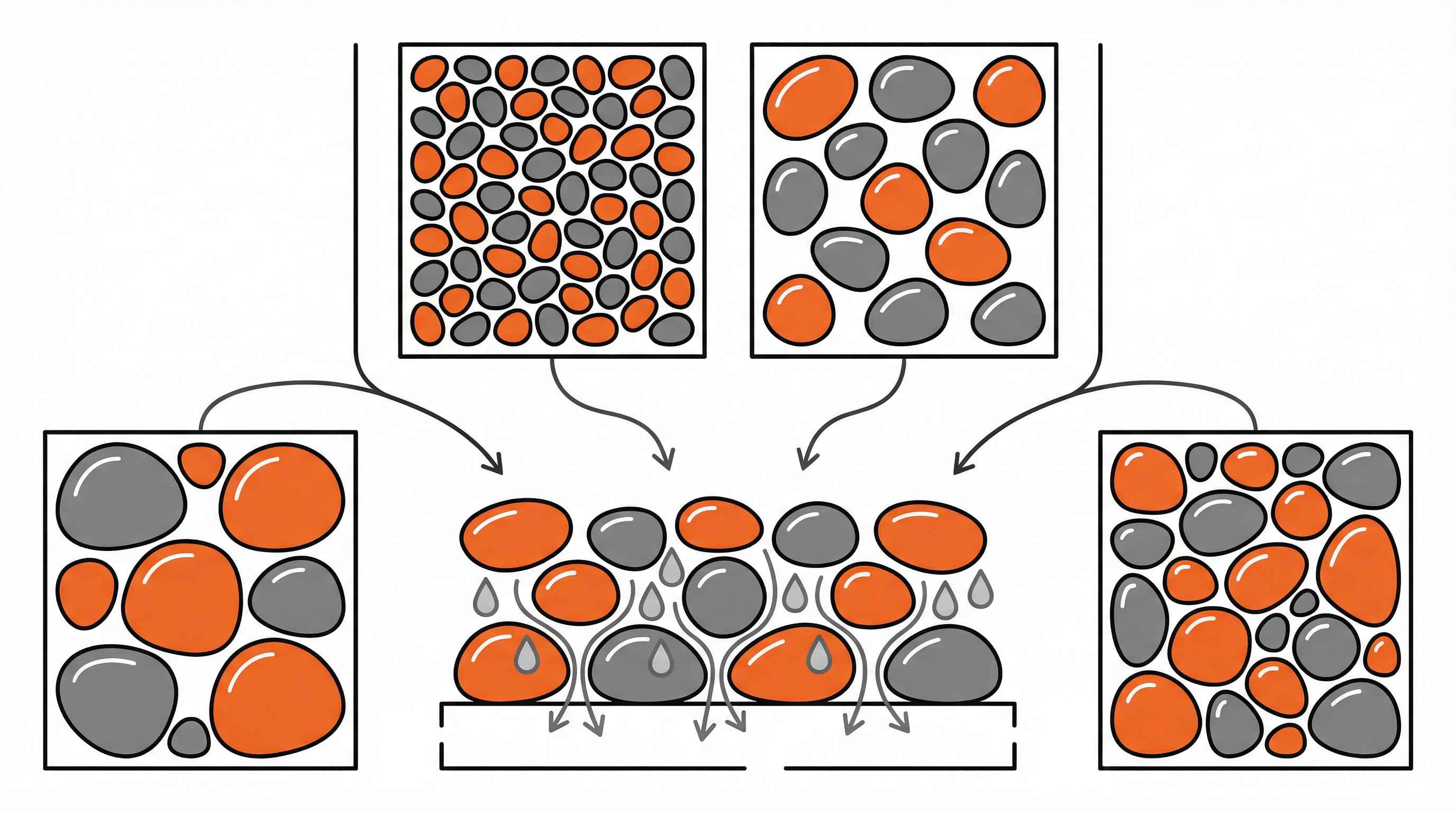
River rocks work as natural filters in drainage systems. Unlike solid surfaces that block water, these stones create permeable layers that guide water away from problem areas. The key lies in how water moves through the spaces between rocks.
Think of river rocks like a highway system for water. Larger rocks create the main routes, while smaller stones fill gaps and provide filtration. This natural engineering prevents soil erosion while allowing controlled water movement.
The porosity of river rocks determines their drainage effectiveness. Rocks with higher porosity absorb and release water gradually, preventing sudden runoff that can cause erosion. This controlled water movement protects both your landscape and nearby structures.
Types of River Rock for Drainage Projects
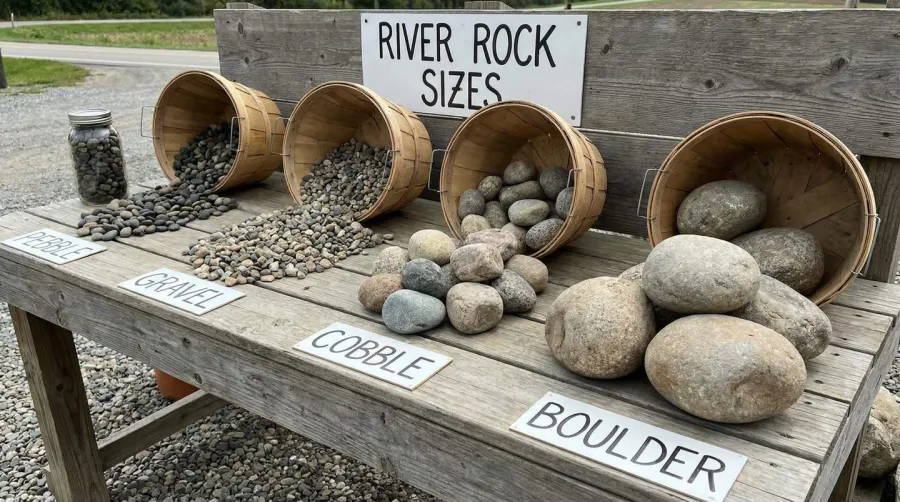
River Gravel stands out as the top choice for most drainage applications. Its angular edges and 1-3 inch size create optimal water flow while providing structural stability. The rough texture prevents shifting and maintains drainage channels over time. Understanding river rock gravel sizes helps ensure you select the right material for your specific project needs.River Pebbles work well for decorative drainage areas where aesthetics matter. Their smooth, rounded shape allows good water flow but may shift in high-flow situations. They excel in garden drainage and decorative swales where water movement is moderate.River Cobblestones serve dual purposes in drainage design. These larger stones (3-6 inches) provide excellent stability for drainage channels while creating attractive landscape features. They work particularly well in areas requiring both function and visual appeal.
| Rock Type | Size Range | Best Use | Drainage Rating |
|---|---|---|---|
| River Gravel | 1-3 inches | General drainage, French drains | Excellent |
| River Pebbles | 0.5-1 inch | Decorative areas, light drainage | Good |
| River Cobblestones | 3-6 inches | Drainage channels, erosion control | Very Good |
Choosing the Right Size and Shape
Size selection depends on your specific drainage needs. Smaller rocks (0.5-1 inch) provide better filtration but may clog in high-debris areas. Larger rocks (2-4 inches) handle heavy water flow but offer less filtration. For detailed guidance on selecting appropriate dimensions, explore our comprehensive guide to river stone sizes.
Shape affects both function and longevity. Angular rocks interlock better, creating stable drainage systems that resist shifting. Round rocks allow faster water flow but may move during heavy rains, potentially disrupting your drainage pattern.
Consider your local climate when selecting rock size. Areas with heavy rainfall need larger rocks to handle increased water volume. Regions with light, frequent rain can use smaller rocks for better filtration and soil protection.
The depth of your drainage system also influences rock selection. Deeper systems can accommodate larger rocks, while shallow applications require smaller stones to maintain proper water flow near the surface. When planning erosion control projects, choosing the right size becomes even more critical.
Installation and Maintenance Best Practices
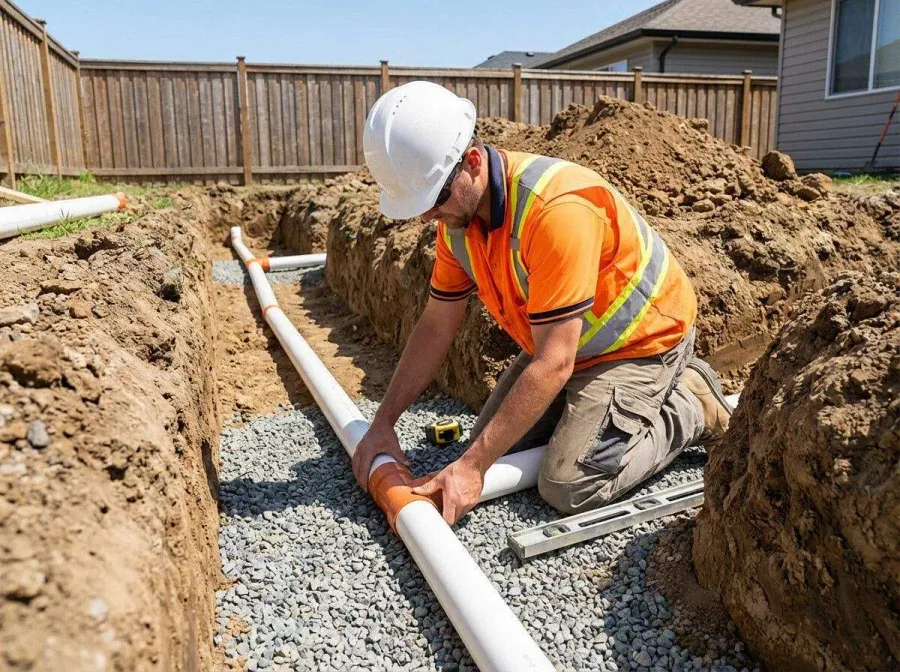
Start your installation by excavating the drainage area to the proper depth. Most residential drainage systems require 12-18 inches of depth for effective water management. Create a slight slope (1-2% grade) to encourage water movement toward your desired outlet.
Line the excavated area with landscape fabric before adding rocks. This barrier prevents soil from mixing with your drainage material while allowing water to pass through. Overlap fabric edges by at least 6 inches to ensure complete coverage.
Layer your rocks strategically for maximum effectiveness. Place larger stones at the bottom to create the main drainage channel, then add progressively smaller rocks toward the surface. This layered approach optimizes both water flow and filtration. If you’re specifically installing a French drain system, proper rock layering becomes essential for long-term performance.
Regular maintenance keeps your drainage system functioning properly. Inspect the system twice yearly, removing accumulated debris and checking for settled or shifted rocks. Replace any rocks that have broken down or become embedded with soil.
Maintenance Reminder: Clean your river rock drainage system after major storms to remove debris that could block water flow and reduce system effectiveness.
Monitor water flow during heavy rains to ensure your system handles the volume effectively. If you notice pooling or slow drainage, you may need to add more rocks or adjust the system grade to improve performance. Learning about specialized drainage rock applications can help you troubleshoot and optimize your system.
Conclusion
Selecting the best river rock for drainage involves balancing size, shape, and your specific site conditions. River gravel typically offers the best overall performance, while pebbles and cobblestones serve specialized applications. Proper installation and regular maintenance ensure your drainage system protects your property for years to come. When planning your project, consider where to buy river rock from reputable suppliers who can provide quality materials suited to your drainage needs. When in doubt, consult with drainage professionals who can assess your specific needs and recommend the most effective solution for your landscape.
FAQ
What size river rock is best for drainage?
River gravel in the 1-3 inch size range provides the best drainage performance for most applications. This size creates optimal void spaces for water flow while maintaining structural stability. For French drains, use 1-2 inch gravel, while larger drainage channels can accommodate 2-3 inch stones for better flow capacity.
Does river rock absorb water or just allow it to flow through?
River rock has very low water absorption but high porosity, meaning it doesn’t retain water but allows it to flow freely through the spaces between stones. This makes river rock ideal for drainage applications as it channels water away rather than holding it, preventing waterlogging and foundation damage.
How do I install river rock for proper drainage?
Start by excavating 12-18 inches deep and creating a 1-2% slope toward your drainage outlet. Line the area with landscape fabric, then layer your rocks with larger stones (2-4 inches) at the bottom and smaller ones (1-2 inches) on top. This layered approach optimizes both water flow and filtration while preventing soil infiltration.
River rock vs crushed stone: which is better for drainage?
River rock excels in decorative drainage applications and moderate water flow situations due to its smooth, rounded shape that allows easy water movement. Crushed stone, with its angular edges, provides better interlocking and stability for heavy-duty applications like French drains and foundation drainage where structural integrity is crucial.