
Best Limestone Size for Driveways Complete Selection Guide
Guide handoff
Want help applying this guide to your project?
Share your ZIP and what you need help with. We'll use this guide as context when we follow up.
- 1 This guide gives us the context you were reading.
- 2 Ask about pricing, material choice, delivery timing, or quantity.
- 3 Keep it broad if you are still figuring out the project.
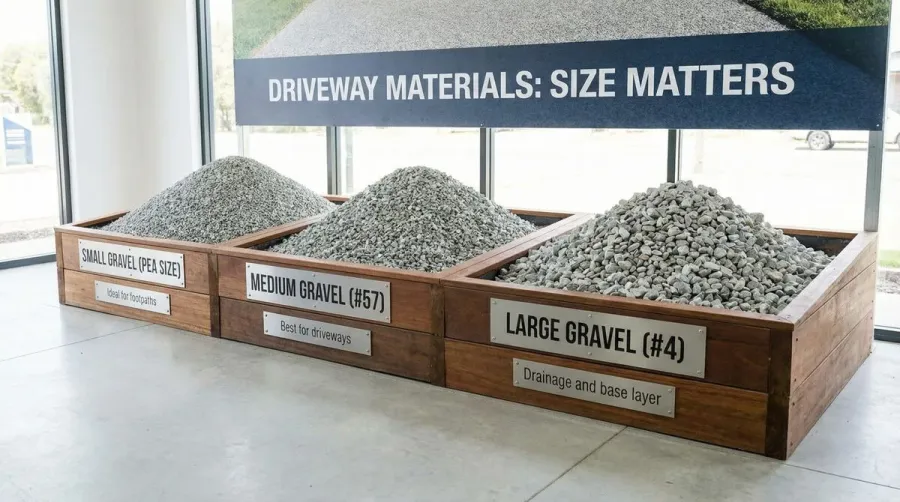
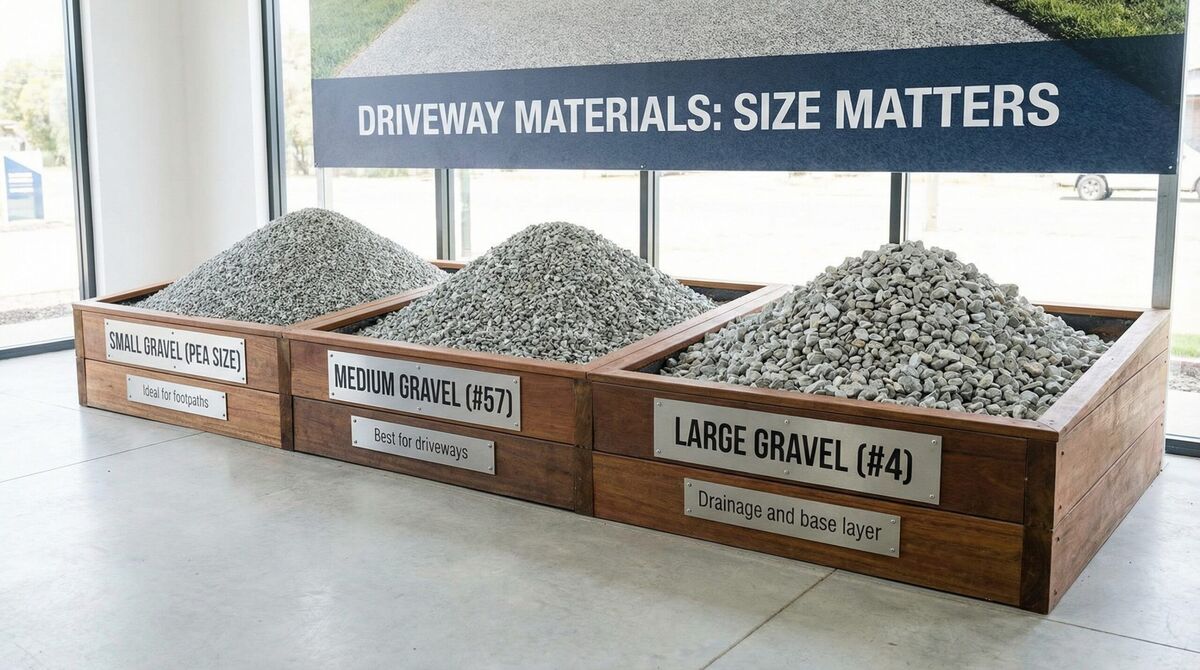
Choosing the right limestone size for your driveway can make the difference between a surface that lasts decades and one that requires constant repairs. The best limestone size depends on your traffic needs, with small sizes (1/4 to 1/2 inch) ideal for light use, medium sizes (1/2 to 1 inch) perfect for moderate traffic, and large sizes (1 to 2 inches) best for heavy-duty applications.
Pro Tip: Most residential driveways perform best with medium-sized limestone (1/2 to 1 inch) as it balances durability, drainage, and aesthetic appeal.
This guide walks you through everything you need to know about limestone sizing, from understanding the material itself to making the final selection for your specific needs.
Understanding limestone for driveways
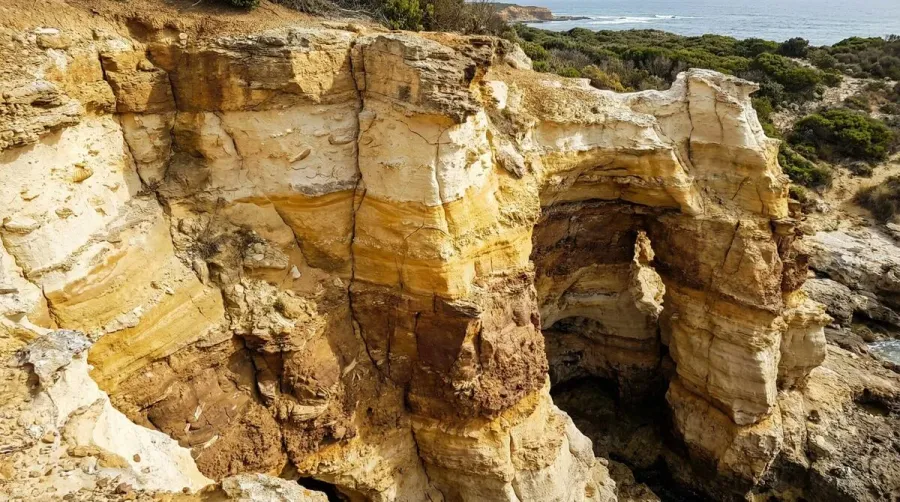
Limestone stands out as one of the most reliable driveway materials available today. This sedimentary rock forms naturally from compressed marine organisms over millions of years, creating a material that combines strength with natural beauty.
The formation process gives limestone unique properties that make it excellent for driveways. Unlike manufactured materials, limestone naturally varies in color from creamy whites to warm yellows and rich browns, allowing you to match your home’s aesthetic perfectly.
What makes limestone particularly appealing is its balance of benefits. You get a durable surface that handles weather extremes, costs significantly less than concrete or asphalt, and actually helps the environment by allowing water to penetrate naturally into the ground rather than creating runoff.
The versatility factor cannot be overlooked either. Once you install a limestone driveway, you can extend the same material to walkways, patios, and garden borders, creating a cohesive outdoor design that flows naturally throughout your property.
Key factors when choosing limestone size
Your limestone size decision should start with understanding how you’ll use your driveway. Think about the vehicles you park regularly and any heavy equipment that might occasionally need access. A driveway that only sees family cars has different requirements than one accommodating delivery trucks or RVs.
Traffic patterns matter more than you might expect. Heavy vehicles create point loads that can shift smaller stones, while frequent traffic can wear down limestone that’s too small for the application. Consider not just current use but potential future needs as well.
Drainage considerations play a crucial role in limestone performance. Smaller stones compact tighter, which can slow water movement, while larger stones create gaps that promote faster drainage. Your local climate and property’s natural drainage patterns should influence this decision.
Weather Reality Check: Areas with heavy rainfall or freeze-thaw cycles need limestone sizes that promote good drainage to prevent water damage and frost heaving.
The aesthetic impact varies dramatically with size choice. Smaller limestone creates a refined, almost paved appearance that works well with formal architecture. Larger stones produce a more rustic, natural look that complements country or traditional home styles.
Limestone size options explained
Small limestone, ranging from 1/4 to 1/2 inch, creates the smoothest driving surface and compacts extremely well. This size works perfectly for driveways with light to moderate car traffic. The tight compaction provides excellent stability, though it may require occasional regrading in high-traffic areas.
Medium limestone, spanning 1/2 to 1 inch, offers the sweet spot for most residential applications. This size provides good stability while maintaining adequate drainage. The slightly rougher texture gives better tire traction than small limestone, making it ideal for sloped driveways or areas where vehicles need extra grip.
Large limestone, measuring 1 to 2 inches, delivers maximum durability for heavy-duty applications. This size handles large vehicles and equipment without shifting, making it perfect for commercial driveways or homes with frequent heavy vehicle access. However, the larger gaps between stones require careful installation to prevent an uneven surface.
Here’s how the sizes compare for common applications:
| Size Range | Best For | Drainage | Stability | Maintenance |
|---|---|---|---|---|
| 1/4″ – 1/2″ | Light traffic | Good | High | Moderate |
| 1/2″ – 1″ | Most homes | Excellent | High | Low |
| 1″ – 2″ | Heavy use | Excellent | Maximum | Low |
Each size has specific installation requirements that affect long-term performance. Smaller stones need more careful compaction, while larger stones require proper base preparation to prevent settling issues. Understanding the best size gravel for a driveway can help you make an informed decision that aligns with your specific needs.
Installation and maintenance essentials
Proper installation starts with thorough site preparation. Clear all vegetation and debris from the driveway area, then excavate to the proper depth based on your expected traffic load. Most residential driveways need 4 to 6 inches of limestone depth for optimal performance.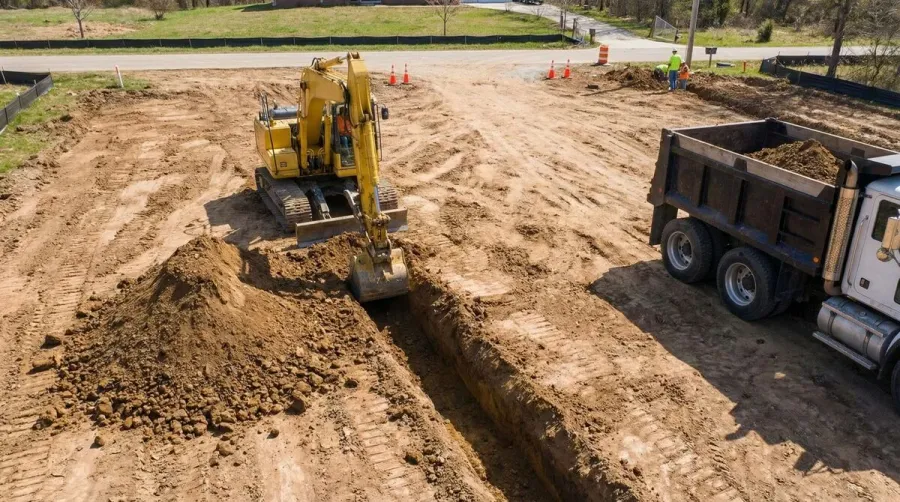 The base layer makes or breaks your driveway’s longevity. Install a foundation of crushed limestone or gravel, then grade it properly to direct water away from your home. This step prevents water from undermining your limestone surface over time. Choosing the best base rock for driveway construction ensures your surface remains stable for years.
When laying the limestone, work in sections to ensure even distribution. Use a plate compactor for smaller stones or a roller for larger ones. The key is achieving uniform compaction without over-working the material, which can create weak spots.
Installation Success: Proper compaction reduces future maintenance needs by up to 60% compared to poorly installed driveways.
Maintenance requirements vary by limestone size but follow similar principles. Regular raking redistributes stones and prevents rutting, while prompt attention to any low spots prevents water pooling and erosion. Smaller limestone may need annual touch-ups, while larger stones typically require less frequent maintenance. If you’re wondering how to restore a gravel driveway, proper maintenance techniques can extend your driveway’s lifespan significantly.
Seasonal care includes clearing debris that can trap moisture and cause freeze damage in colder climates. A good limestone sealer applied every few years can extend surface life and reduce staining, though this is more critical for smaller limestone sizes. You may also want to learn how to secure loose driveway gravel to prevent migration and maintain a smooth surface.
Your limestone driveway represents a long-term investment in your property’s functionality and appearance. By choosing the right size for your specific needs and following proper installation and maintenance practices, you’ll enjoy a beautiful, durable surface that enhances your home’s value for decades to come. Before starting your project, make sure to calculate how much limestone do I need for a driveway to ensure you order the correct amount. The key lies in matching the limestone size to your actual usage patterns rather than simply choosing based on initial cost or appearance alone.
FAQ
What size limestone is best for a driveway?
Medium-sized limestone (1/2 to 1 inch) is best for most residential driveways as it provides the optimal balance of durability, drainage, and stability. For light traffic, use 1/4 to 1/2 inch limestone, while heavy-duty applications require 1 to 2 inch limestone for maximum durability and load-bearing capacity.
Is crushed limestone good for driveways?
Yes, crushed limestone is excellent for driveways due to its natural durability, cost-effectiveness, and superior drainage properties. It compacts well, handles weather extremes, and allows water to penetrate naturally into the ground rather than creating runoff, making it both practical and environmentally friendly.
How thick should a limestone driveway be?
A limestone driveway should be 4 to 6 inches deep for most residential applications. This depth provides adequate stability and load distribution for regular car traffic. Heavy-duty driveways that accommodate trucks or equipment may require additional depth and proper base preparation for optimal performance.
How do you maintain a limestone driveway?
Regular maintenance includes raking to redistribute stones and prevent rutting, prompt attention to low spots to prevent water pooling, and annual touch-ups for smaller limestone sizes. Clear debris seasonally to prevent moisture trapping, and consider applying limestone sealer every few years to extend surface life and reduce staining.