
Best Gravel Size for Garden Beds – Complete Guide for 2026
Guide handoff
Want help applying this guide to your project?
Share your ZIP and what you need help with. We'll use this guide as context when we follow up.
- 1 This guide gives us the context you were reading.
- 2 Ask about pricing, material choice, delivery timing, or quantity.
- 3 Keep it broad if you are still figuring out the project.
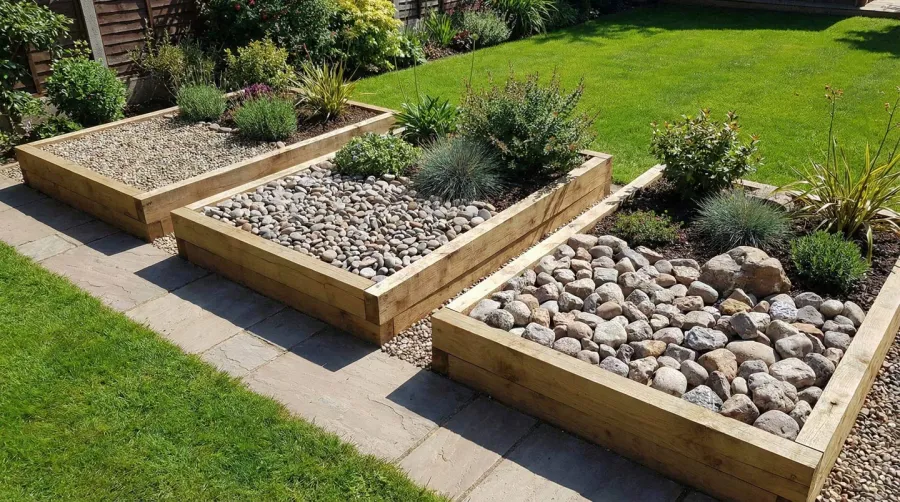
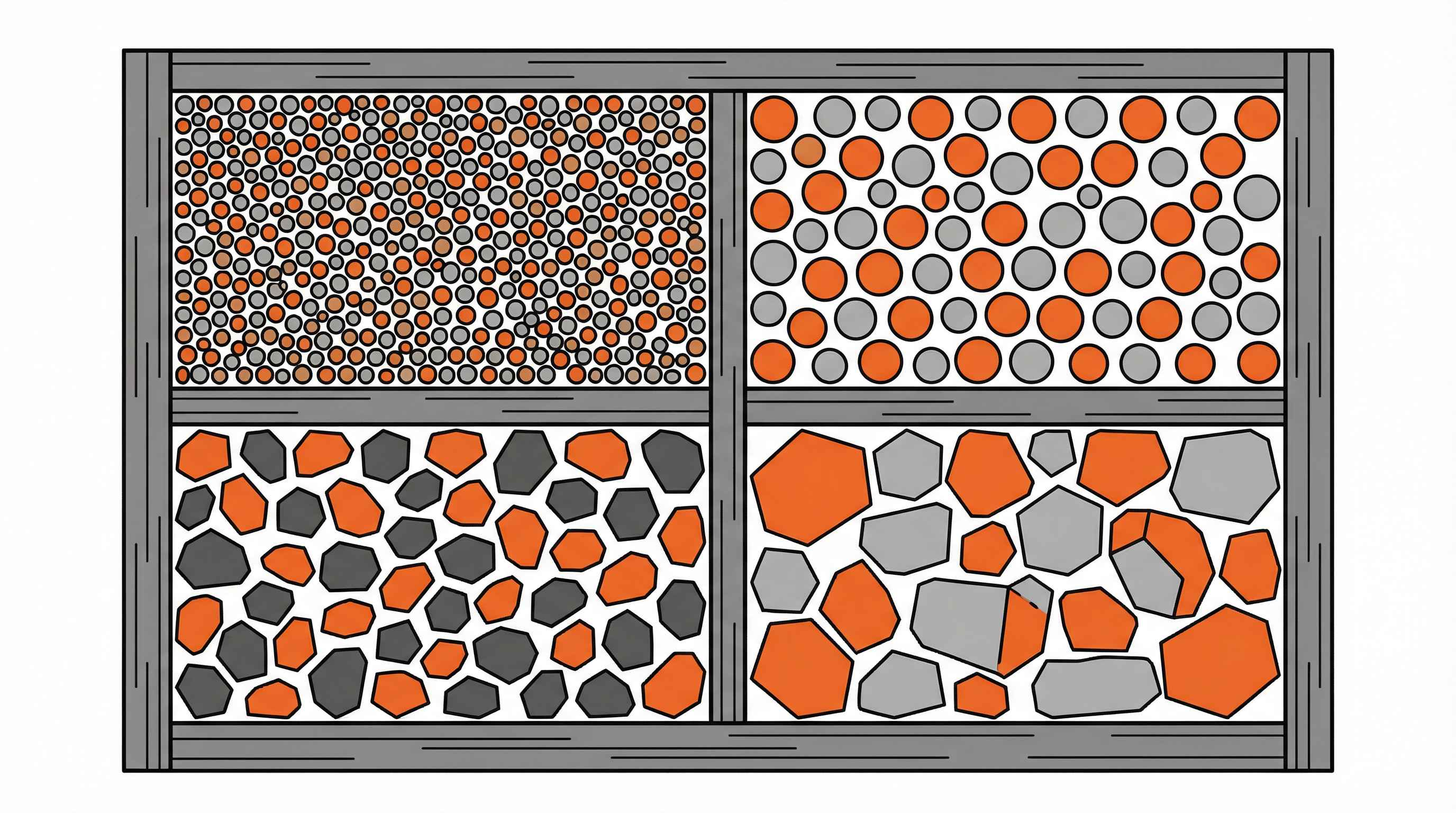
Choosing the right gravel size for your garden bed can transform both its functionality and appearance. The best gravel size typically ranges from 10-50mm depending on your soil type, plant needs, and drainage requirements. For heavy clay soils, larger gravel (20-50mm) improves drainage, while sandy soils work well with smaller sizes (10-20mm).
Understanding how gravel size affects drainage, plant health, and maintenance will help you make the best choice for your specific garden conditions. This guide walks you through everything you need to know about selecting and installing the perfect gravel for your garden beds.
Quick Tip: Pea gravel (8-12mm) is the most versatile choice for most garden beds, offering excellent drainage while being easy to walk on and maintain.
Understanding gravel types and their garden benefits
Gravel serves multiple purposes in garden beds beyond just looking attractive. It creates a drainage layer that prevents waterlogging, regulates soil temperature, and suppresses weed growth naturally.Different gravel types offer unique advantages. Pea gravel consists of small, rounded stones perfect for decorative purposes and foot traffic areas. Crushed stone provides excellent compaction and drainage for heavy-duty applications. River rock offers smooth, polished stones ideal for creating focal points, while decomposed granite delivers a natural, rustic appearance.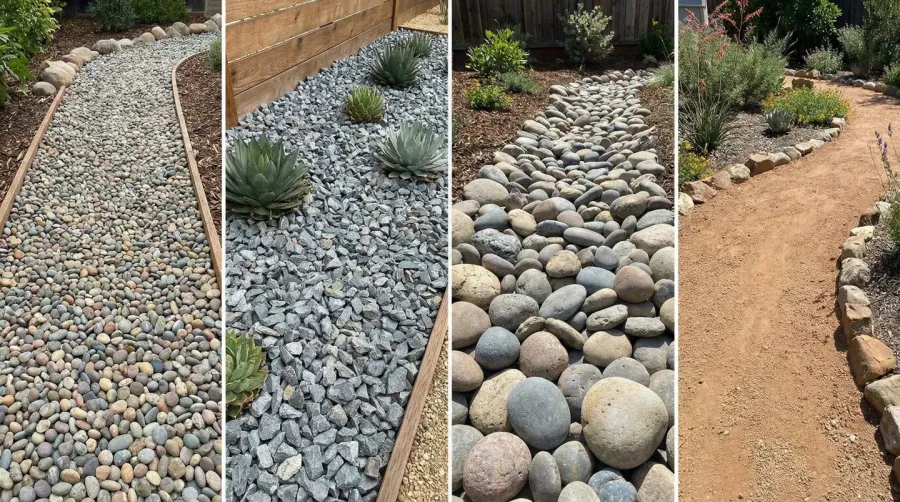 The key is matching the gravel type to your specific needs. If you want easy maintenance and good drainage, pea gravel works well. For areas requiring stability and durability, crushed stone is your best bet. River rock excels in decorative applications where visual appeal matters most.
Factors that determine the right gravel size
Your soil type plays the biggest role in determining gravel size. Heavy clay soils that retain water need larger gravel sizes to create adequate drainage channels. Sandy or loamy soils with natural drainage can work with smaller gravel sizes that still provide benefits without over-draining.
Plant requirements also influence your choice. Drought-tolerant plants benefit from larger gravel that prevents water retention around roots. Moisture-loving plants need smaller gravel that helps retain some soil moisture while still providing drainage.
Consider your garden’s aesthetic goals too. Larger gravel creates a bold, natural look that works well in rustic or contemporary designs. Smaller gravel provides a refined, polished appearance that complements formal garden styles.
Important: Match gravel size to foot traffic needs. Areas where you’ll walk regularly should use smaller, more stable gravel sizes for comfort and safety.
Comparing small versus large gravel sizes
Small gravel sizes (8-20mm) offer several practical advantages. They provide excellent drainage while allowing easier root penetration for plants. You can walk on them comfortably, and they’re generally more affordable and easier to spread evenly across your garden bed.
However, small gravel requires more maintenance since wind and rain can displace it more easily. It may also drain too quickly for plants that need consistent moisture, requiring more frequent watering.
Large gravel sizes (25-50mm) excel in heavy clay soils where drainage is critical. They resist displacement from weather and foot traffic, requiring less maintenance over time. Large gravel also creates striking visual impact and helps prevent soil erosion effectively.
The downside of large gravel includes higher costs and more difficult installation. It can also hinder root growth for smaller plants and make walking through garden beds less comfortable.
| Gravel Size | Best For | Drainage | Maintenance | Cost |
|---|---|---|---|---|
| Small (8-20mm) | Sandy soil, foot traffic | Good | High | Low |
| Medium (20-35mm) | Most garden beds | Excellent | Medium | Medium |
| Large (35-50mm) | Clay soil, erosion control | Superior | Low | High |
Installing gravel in your garden bed properly
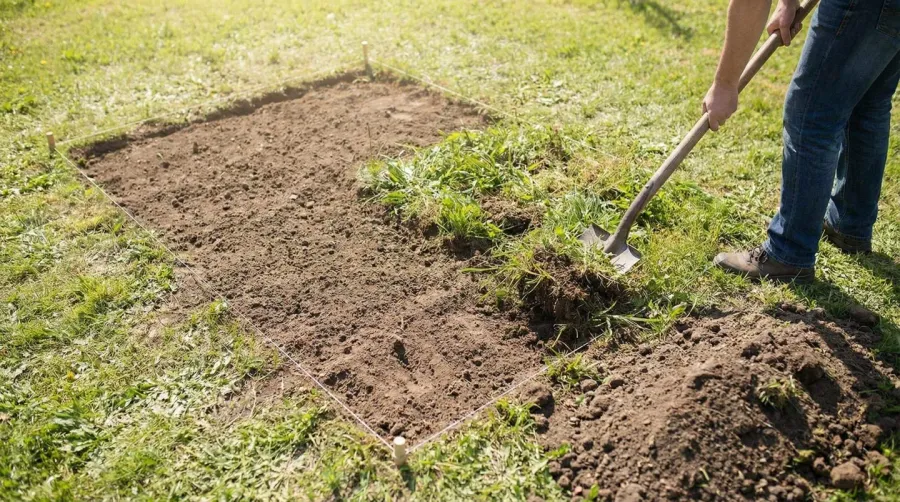
Start by removing all existing vegetation, weeds, and debris from your garden bed area. Level the soil and create a slight slope away from structures to ensure proper water flow. This preparation step determines how well your gravel performs long-term.
Lay landscape fabric over the prepared soil to prevent weeds from growing through your gravel layer. This barrier is essential for maintaining a clean, low-maintenance garden bed. Choose high-quality fabric that allows water penetration while blocking weeds effectively.
Spread your chosen gravel evenly across the fabric, maintaining a depth of 2-3 inches for optimal performance. Use a rake to create a smooth, level surface that looks professional and functions properly. Avoid making the layer too thick, which can impede plant growth, or too thin, which reduces effectiveness.
Pro Tip: Water your gravel lightly after installation to help it settle and reveal any uneven areas that need adjustment before your garden bed is complete.
Regular maintenance keeps your gravel garden bed looking its best. Check monthly for weeds that might push through and remove them promptly. Rake the gravel occasionally to prevent compaction and maintain proper drainage. Add fresh gravel annually to replace any that’s been displaced or has settled over time.
Choosing the right gravel size transforms your garden bed into a functional, attractive feature that supports healthy plant growth while reducing maintenance needs. Whether you’re working with limestone for raised garden beds, volcanic rock, or traditional gravel options, understanding your soil type, plant requirements, and aesthetic preferences will help you make the best choice for your specific situation. For additional guidance on selecting materials for various garden projects, explore our comprehensive resources on garden paths and landscaping mulch alternatives.
FAQ
What is the best gravel size for a raised garden bed?
Pea gravel (8-12mm or 1/4-3/8 inches) is the best choice for most raised garden beds. It provides excellent drainage while being comfortable to walk on and easy to maintain. For heavy clay soils or base layers under raised beds, use larger 20mm (3/4-inch) crushed gravel for superior drainage performance.
Should I put gravel at the bottom of a raised garden bed?
Yes, adding 2-3 inches of gravel at the bottom of raised garden beds improves drainage, prevents waterlogging, and reduces the risk of root rot. This is especially important for clay soils or areas with poor natural drainage. The gravel layer also helps suppress weeds and creates a stable foundation for your garden bed.
What size gravel is best for drainage in garden beds?
For optimal drainage, use 20-50mm (3/4 to 2-inch) gravel in heavy clay soils that retain water. Medium gravel sizes of 10-20mm (3/8 to 3/4-inch) work well for most soil types, while sandy soils can use smaller 8-15mm pea gravel. Larger gravel creates better drainage channels but may be less comfortable for walking.
Is pea gravel good for garden beds?
Yes, pea gravel is excellent for garden beds due to its small, rounded stones (8-12mm) that provide good drainage, weed suppression, and an attractive appearance. It’s comfortable to walk on and relatively affordable. However, use edging to prevent the gravel from shifting, and consider that it may drain too quickly for moisture-loving plants.