
Best Bocce Ball Court Surfaces: Can Gravel (Pea Gravel & Crushed Stone) Work for Your Court?
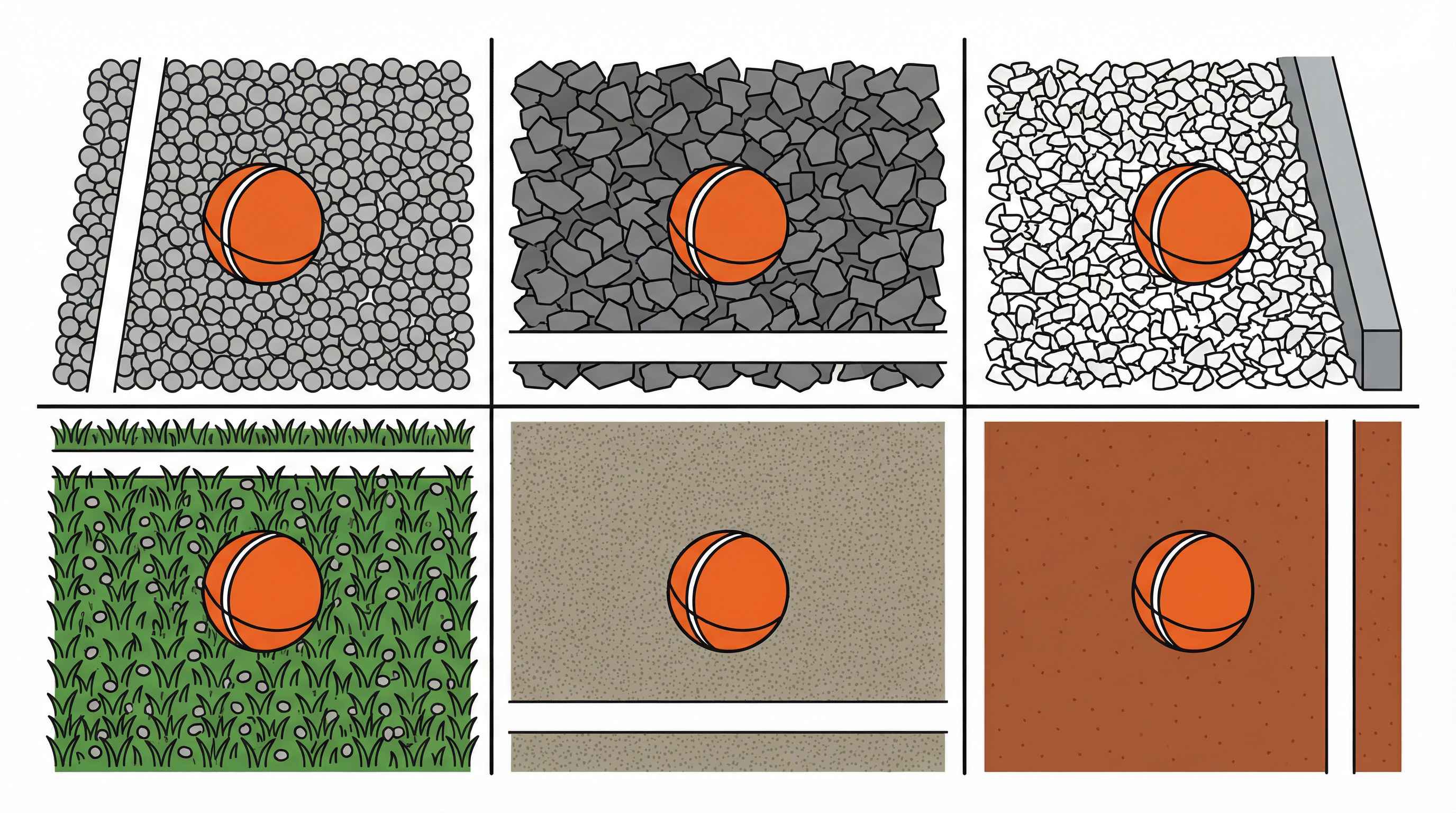
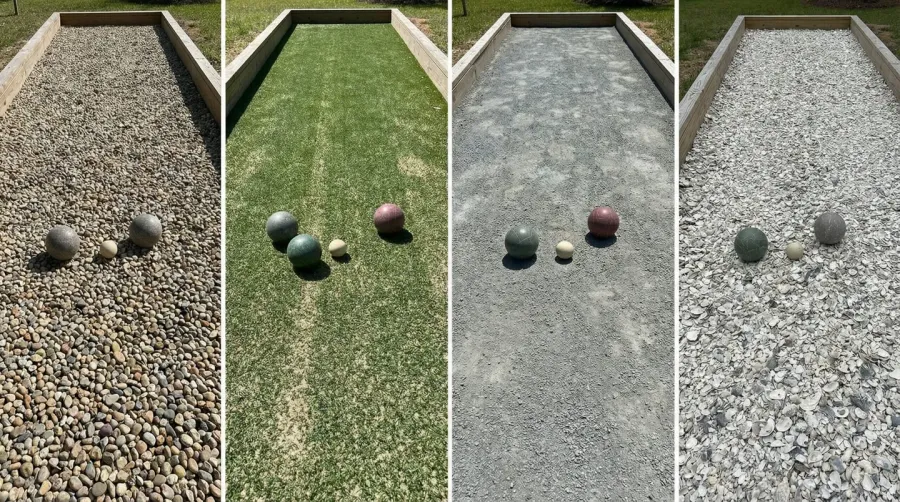
Yes, gravel can absolutely be used for a bocce ball court surface, but it’s typically best suited for budget-conscious or casual recreational courts rather than competitive play. While premium surfaces like crushed oyster shell or synthetic turf offer superior ball control and consistency, gravel provides an affordable, durable option that works well for backyard family courts.
The choice of surface material dramatically impacts your bocce ball experience, affecting everything from ball roll consistency to maintenance requirements and long-term costs. Whether you’re building a casual backyard court or planning something more serious, understanding your options helps you make the right decision for your specific needs and budget.
Quick Fact: Gravel bocce courts cost 40-60% less than synthetic turf installations but require more frequent maintenance to keep the playing surface level and consistent.
In this guide, you’ll discover the main bocce court surface options, understand the pros and cons of using gravel, learn which types of gravel work best, and get step-by-step guidance for building your own gravel court.
What makes a good bocce ball court surface?
The ideal bocce ball court surface balances several key factors that directly impact gameplay and maintenance. Understanding these criteria helps you evaluate whether gravel or another material suits your specific situation.
Consistent ball roll tops the list of important characteristics. Your bocce balls should roll smoothly and predictably without unexpected bounces or sudden speed changes. This consistency allows players to develop skill and strategy rather than fighting unpredictable surface conditions.
Proper drainage prevents water from pooling on your court, which can damage the surface and make play impossible after rain. Good drainage also extends the life of your court materials and reduces maintenance headaches.
Firm but forgiving surface provides the right balance between ball control and player comfort. Too soft and balls won’t roll properly; too hard and the surface becomes uncomfortable for extended play and harder on equipment.
The best surfaces also offer reasonable maintenance requirements, stay clean during play, and fit within your budget constraints. These factors often involve trade-offs, which is why understanding your priorities matters when choosing materials.
Bocce court surface options (where gravel fits in)
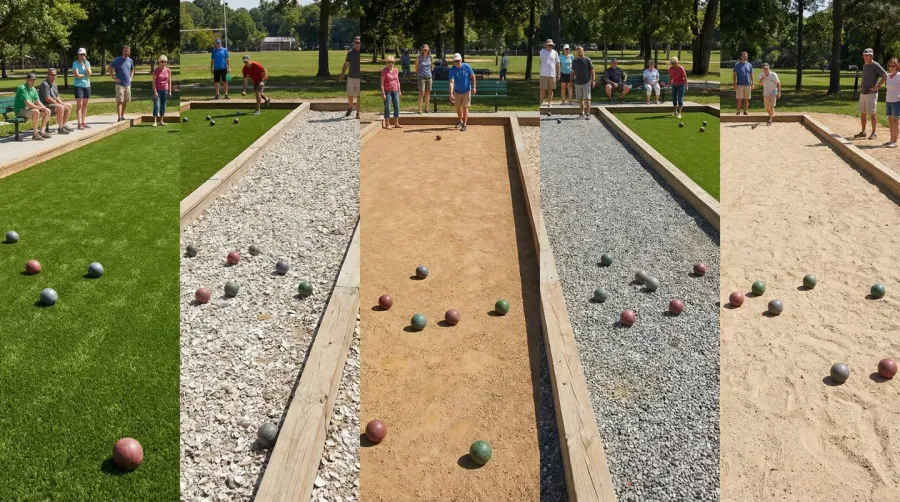
Synthetic turf (artificial turf)
Synthetic turf delivers the most consistent playing experience with minimal maintenance requirements. The uniform surface provides predictable ball roll and excellent drainage when installed over a proper base system.
This option works best for luxury residential courts or facilities expecting heavy use. While the upfront cost runs higher than other materials, the long-term maintenance savings and superior playability often justify the investment for serious players.
Crushed oyster shell (traditional surface)
Crushed oyster shell represents the classic bocce court surface, offering excellent ball control and an authentic playing experience. The material compacts well while maintaining good drainage, and many players prefer its traditional appearance and feel.
However, oyster shell requires regular grooming to maintain optimal conditions and can become dusty in dry climates. The material may also be harder to source in some regions, affecting both availability and cost.
Decomposed granite and crushed stone
These materials offer a middle ground between cost and performance. Decomposed granite and crushed stone provide good drainage and durability when properly installed, making them popular choices for public courts and budget-conscious projects.
The key lies in proper installation with adequate base preparation. Without proper compaction and drainage, these surfaces can shift and develop uneven spots that affect ball roll consistency.
Sand and pea gravel
Sand and pea gravel represent the most budget-friendly surface options, making them attractive for casual family courts. Both materials are widely available and relatively easy to install for DIY projects.
The trade-off comes in maintenance and consistency. Both materials tend to shift during play, requiring frequent raking and leveling. Players may also track material outside the court area, creating cleanup concerns.
Clay, natural grass, and specialty surfaces
Clay provides a firm surface with minimal bounce, similar to tennis court clay, but struggles with drainage and requires significant maintenance. Natural grass works if you already have suitable lawn space, but offers inconsistent ball roll and drainage challenges.
Specialty resin-bound surfaces deliver professional-grade performance but come with premium pricing that puts them out of reach for most residential projects.
Is gravel a good bocce court surface? Pros and cons
Pros of gravel (pea gravel and crushed stone) bocce courts
Gravel’s biggest advantage lies in its affordability. Material costs typically run 40-60% lower than synthetic turf or oyster shell, making it accessible for families wanting to add bocce to their backyard without a major investment.
Installation accessibility also favors gravel. Most homeowners can handle a gravel court installation as a weekend DIY project, especially with proper planning and base preparation. The materials are widely available at local suppliers, eliminating shipping costs and delays.
Gravel provides excellent drainage when installed over a properly prepared base. Water moves through the surface quickly, allowing play to resume shortly after rain and preventing the standing water issues that plague some other surface types.
The natural appearance of gravel courts blends well with most landscape designs. Unlike synthetic materials, gravel maintains an organic look that complements gardens, patios, and other outdoor living spaces.
Cons of gravel bocce courts
Gravel’s loose-fill nature creates the primary drawback: surface shifting during play. Regular raking becomes necessary to maintain level, consistent playing conditions, especially after heavy use or weather events.
Ball roll consistency suffers compared to premium surfaces. While playable, gravel courts don’t provide the predictable ball behavior that serious players expect. Speed and bounce can vary depending on recent maintenance and local surface conditions.
Material tracking presents another concern. Gravel particles inevitably get carried outside the court area on shoes and equipment, requiring additional cleanup around the court perimeter.
Maintenance Reality: Plan to rake your gravel bocce court after every 3-4 playing sessions to maintain optimal surface conditions, compared to minimal maintenance required for synthetic turf courts.
Best types of gravel for bocce courts
Pea gravel bocce courts
Pea gravel’s rounded, smooth stones create a comfortable surface that’s easier on players’ feet and bocce balls. The natural tumbling action that creates pea gravel results in uniform, attractive stones that many homeowners prefer aesthetically.
However, the rounded shape prevents tight compaction, leading to more surface movement during play. Pea gravel works best for casual family courts where perfect ball control takes a backseat to comfort and appearance.
Expect more frequent maintenance with pea gravel, as the stones shift more readily than angular alternatives. The softer playing feel comes with the trade-off of less consistent ball roll.
Crushed gravel, crushed stone and decomposed granite
Angular particles in crushed materials interlock better than rounded stones, creating a firmer, more stable playing surface. This improved stability translates to better ball roll consistency and less frequent maintenance requirements.
Crushed stone and decomposed granite work particularly well when you layer the installation properly. A compacted base of larger crushed stone provides stability, while a thinner top layer of finer material creates the actual playing surface.
This approach gives you the best of both worlds: the stability of a well-engineered base with a playable surface that still allows for good drainage and reasonable maintenance.
| Material | Particle Shape | Compaction | Surface Consistency | Maintenance | Best For |
|---|---|---|---|---|---|
| Pea Gravel | Rounded | Poor | Variable | High | Casual/Family Courts |
| Crushed Stone | Angular | Good | Consistent | Moderate | Regular Play |
| Decomposed Granite | Mixed | Excellent | Very Consistent | Low | Competitive Courts |
How to build a gravel bocce ball court (step-by-step)
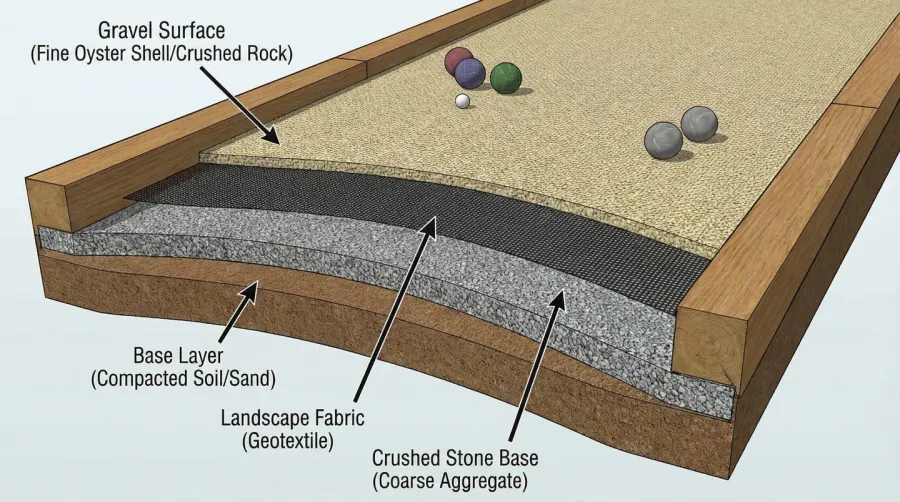
Building a gravel bocce court requires careful attention to drainage and base preparation. Proper installation ensures years of enjoyable play with minimal ongoing issues.
Planning and layout starts with choosing a level location with good natural drainage. Standard courts measure 76 feet by 12 feet, but backyard versions often use 60 feet by 10 feet for space efficiency. Mark your boundaries and check local utility locations before digging.
Excavation and base prep involves removing vegetation and excavating 6-8 inches deep across the entire court area. Compact the soil base and install landscape fabric to prevent weed growth through your gravel surface.
Border installation contains your gravel and defines the court boundaries. Pressure-treated lumber, concrete pavers, or metal edging all work well. Ensure borders sit slightly above your planned surface level to contain the gravel effectively.
Base layer construction forms the foundation of your court. Install and compact 4-6 inches of crushed stone or decomposed granite, creating a firm, well-draining base that won’t shift under the playing surface.
Surface installation completes your court with 1-2 inches of your chosen gravel. Spread evenly, then rake and lightly compact to create a smooth, level playing surface. Avoid over-compacting, which can reduce drainage.
Ongoing maintenance keeps your court in top condition. Rake after heavy use, add fresh gravel annually to maintain proper depth, and monitor drainage to address any settling or low spots that develop over time.
Pro Tip: Install your gravel court with a slight crown (higher in the center) to promote water runoff and prevent puddle formation during heavy rains.
The right bocce court surface depends on your priorities, budget, and intended use. Gravel works excellently for budget-conscious families wanting casual backyard play, while serious players might prefer investing in oyster shell or synthetic turf for superior consistency.
Consider gravel if you’re building a recreational family court, working with a tight budget, or enjoy DIY projects. Choose premium surfaces if you plan competitive play, want minimal maintenance, or prioritize the most consistent ball roll possible.
Where to buy bocce court gravel and materials
When sourcing gravel for your bocce court, focus on clean, properly sized material from reputable suppliers. Look for gravel in the 1/4-inch to 3/8-inch range for optimal playability, and ensure the material has been washed to remove dust and debris.
Hello Gravel simplifies the sourcing process by connecting you with quality aggregate suppliers nationwide. Rather than calling multiple vendors for quotes, you can request pricing and arrange delivery through a single platform, saving time and ensuring you get appropriate materials for your project.
Whether you’re building a simple pea gravel court or a more sophisticated crushed stone installation, proper material selection and delivery coordination make the difference between a successful project and ongoing headaches.
FAQ
What is the best gravel for a bocce ball court?
Crushed gravel or decomposed granite typically works best for bocce courts because the angular particles interlock and compact well, creating a firmer, more stable playing surface. While pea gravel is softer underfoot and less expensive, its rounded stones don’t compact as tightly, leading to more surface shifting and requiring frequent raking to maintain level conditions.
How deep should the gravel be on a bocce ball court?
The gravel surface layer should be 1-2 inches deep over a properly prepared base. This thin layer allows bocce balls to roll smoothly without sinking into loose material. Below the surface gravel, you’ll need a compacted base layer of 3-4 inches of crushed stone for stability and drainage.
Is pea gravel or crushed gravel better for bocce?
Crushed gravel is generally better for consistent play because its angular particles lock together, creating a firmer surface with predictable ball roll. Pea gravel works well for casual family courts due to its lower cost and comfortable feel, but requires more maintenance as the rounded stones shift easily during play, creating ruts and uneven spots.
How do you maintain a gravel bocce ball court?
Regular maintenance includes raking the surface after every 3-4 playing sessions to redistribute displaced gravel and maintain level conditions. Check for low spots and add fresh gravel annually as needed. Ensure borders remain secure and drainage stays clear to prevent water pooling. Pea gravel courts typically need more frequent raking than crushed gravel surfaces.