
Aggregate Prices 2025: Complete Cost Guide and Money-Saving Tips
Guide handoff
Want help applying this guide to your project?
Share your ZIP and what you need help with. We'll use this guide as context when we follow up.
- 1 This guide gives us the context you were reading.
- 2 Ask about pricing, material choice, delivery timing, or quantity.
- 3 Keep it broad if you are still figuring out the project.
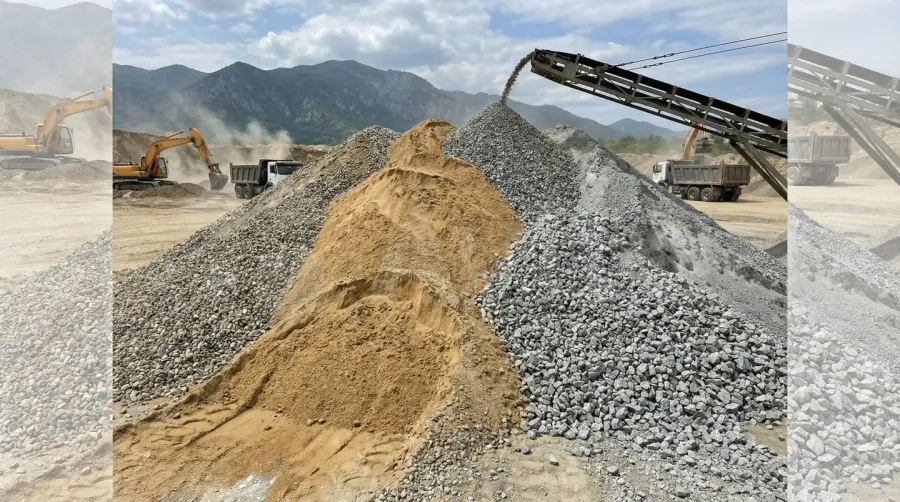
Understanding aggregate prices can make or break your construction budget. Whether you’re planning a small driveway project or managing a large commercial build, knowing what drives these costs helps you make smarter purchasing decisions and avoid costly surprises.
Aggregates typically range from $15 to $75 per ton depending on type and location, with fine aggregates like sand averaging $20-40 per ton and coarse materials like crushed stone running $25-60 per ton. The key factors affecting these prices include supply and demand dynamics, material quality, transportation distances, and regional market conditions.
Quick Fact: Transportation can add $5-15 per ton to your aggregate costs, making local sourcing a smart strategy for budget-conscious projects.
Let’s dive into what you need to know about aggregate pricing in 2025 and how to get the best deals for your construction needs.
What drives aggregate pricing in today’s market
The aggregate market operates on fundamental supply and demand principles, but several specific factors create price variations you should understand before making purchases.
Supply and demand fluctuations hit aggregate prices harder than many other construction materials. When major infrastructure projects launch in your area, expect local aggregate prices to climb as suppliers struggle to meet increased demand. Conversely, during construction slowdowns, you might find better deals as suppliers compete for fewer projects.
Quality standards significantly impact what you’ll pay. High-grade aggregates that meet strict engineering specifications command premium prices because they undergo extensive testing and processing. These materials offer better performance and durability, which often justifies the higher upfront cost through reduced maintenance and longer project lifespans.

Transportation costs represent a major pricing factor that many buyers underestimate. Aggregates are heavy, low-value materials where shipping expenses can easily double your material costs. Understanding the cost of delivered gravel helps you factor in these expenses when comparing suppliers. A quarry 50 miles away might seem like a bargain until you factor in trucking fees that eliminate any savings.
Current aggregate types and their price ranges
Different aggregate types serve specific construction purposes, and their prices reflect both their applications and production complexity.
| Aggregate Type | Price Range (per ton) | Common Uses | Key Benefits |
|---|---|---|---|
| Sand | $20-40 | Concrete, mortar, landscaping | Workability, smooth finish |
| Gravel | $25-50 | Driveways, drainage, concrete | Drainage, strength |
| Crushed Stone | $30-60 | Road base, concrete, foundations | High strength, angular shape |
| Recycled Concrete | $15-35 | Base material, fill | Cost-effective, sustainable |
Fine aggregates like sand provide workability and help create smooth concrete finishes. You’ll find sand prices vary based on source and processing level, with washed and graded sands commanding higher prices than basic pit-run materials.
Coarse aggregates including gravel and crushed stone form the backbone of concrete strength. Crushed stone typically costs more than natural gravel because it requires additional processing, but its angular shape creates better interlocking and stronger concrete bonds. For detailed pricing information, check out the cost of gravel per ton to understand current market rates.
Money-Saving Tip: Recycled aggregates can cut your material costs by 20-40% while meeting most construction standards, making them ideal for non-critical applications like base layers and fill material.
How to predict and plan for price changes
Smart aggregate buyers don’t just react to current prices – they anticipate market movements to time their purchases strategically and lock in better deals.
Market trend analysis starts with understanding your local construction cycle. Track building permit data, infrastructure spending announcements, and major project timelines in your area. When you see multiple large projects scheduled to start simultaneously, expect aggregate demand and prices to spike.
Economic indicators provide broader context for price predictions. Rising fuel costs directly impact aggregate transportation expenses, while inflation affects equipment, labor, and processing costs throughout the supply chain. Interest rate changes influence construction activity levels, which in turn affect aggregate demand.
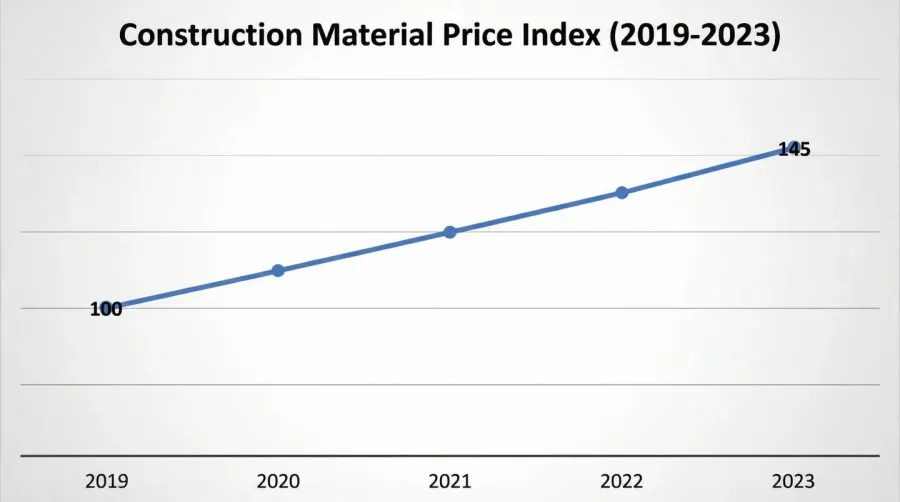
Seasonal patterns also influence aggregate pricing. Spring construction season typically brings higher prices as demand peaks, while winter months might offer better deals in regions where construction slows. Plan your aggregate purchases during off-peak periods when possible to capture these seasonal savings.
Smart strategies for buying aggregates
Successful aggregate purchasing requires more than just calling around for quotes – it demands strategic thinking about suppliers, timing, and negotiation approaches.
Supplier selection goes beyond finding the lowest price. Evaluate suppliers based on reliability, quality consistency, delivery capabilities, and customer service. A supplier who delivers on time with consistent quality materials saves you money through reduced project delays and rework costs.
Volume purchasing power can significantly reduce your per-ton costs. Consider coordinating with other contractors or timing multiple projects to increase your order sizes. Many suppliers offer substantial discounts for orders exceeding 100 tons, and some provide even better rates for 500+ ton commitments. If you’re planning a large project, explore how much 500 tons of gravel costs to understand bulk pricing advantages.
Negotiation tactics work best when you understand supplier cost structures and market conditions. Approach negotiations with realistic expectations and multiple options. When evaluating delivery options, consider the cost of a truckload of gravel to determine the most economical ordering quantity. Suppliers often have more flexibility on delivery scheduling, payment terms, and bundled services than on base material prices.
Long-term partnerships with reliable suppliers can provide price stability and preferential treatment during tight supply periods. These relationships often include advance pricing commitments, priority delivery scheduling, and flexible payment arrangements that improve your cash flow management.
The aggregate industry continues evolving with new technologies and environmental considerations that will shape future pricing trends. Automated extraction and processing equipment reduces labor costs but requires significant capital investment that suppliers must recover through pricing. Meanwhile, stricter environmental regulations increase compliance costs while potentially limiting supply from some sources.
Understanding aggregate prices empowers you to make informed purchasing decisions that protect your project budgets and timelines. By monitoring market conditions, building strong supplier relationships, and timing your purchases strategically, you can minimize material costs while ensuring quality standards. For regional pricing insights, review gravel prices per ton in Ohio as an example of how location affects costs. Remember that the cheapest option isn’t always the most economical when you factor in quality, reliability, and total project costs.
FAQ
What are current aggregate prices in 2025?
Aggregate prices in 2025 typically range from $15 to $75 per ton depending on type and location. Fine aggregates like sand average $20-40 per ton, while coarse materials like crushed stone run $25-60 per ton. Recycled concrete aggregates offer a cost-effective option at $15-35 per ton. Transportation costs can add an additional $5-15 per ton, making local sourcing crucial for budget management.
What factors most significantly affect aggregate pricing?
The primary factors affecting aggregate prices include supply and demand dynamics, material quality and specifications, transportation distances, and regional market conditions. Transportation costs are particularly significant since aggregates are heavy, low-value materials where shipping can easily double material costs. Quality standards also impact pricing, with high-grade aggregates commanding premium prices due to extensive testing and processing requirements.
How can I get better deals when buying aggregates?
To secure better aggregate deals, consider volume purchasing for bulk discounts, timing purchases during off-peak seasons, and building long-term relationships with reliable suppliers. Many suppliers offer substantial discounts for orders exceeding 100 tons, with even better rates for 500+ ton commitments. Additionally, consider recycled aggregates which can cut material costs by 20-40% while meeting most construction standards for non-critical applications.
How can I predict future aggregate price changes?
Predicting aggregate price changes involves monitoring local construction cycles, tracking building permit data, and watching infrastructure spending announcements. Economic indicators like fuel costs directly impact transportation expenses, while seasonal patterns show spring construction season typically brings higher prices. Planning purchases during winter months in regions where construction slows can capture seasonal savings of 10-20%.